David Attenborough Built Bristol Into Green Hollywood
The world's most beloved naturalist didn't just make groundbreaking wildlife films. He quietly built an entire industry in Bristol that now produces 80% of the world's top nature documentaries.
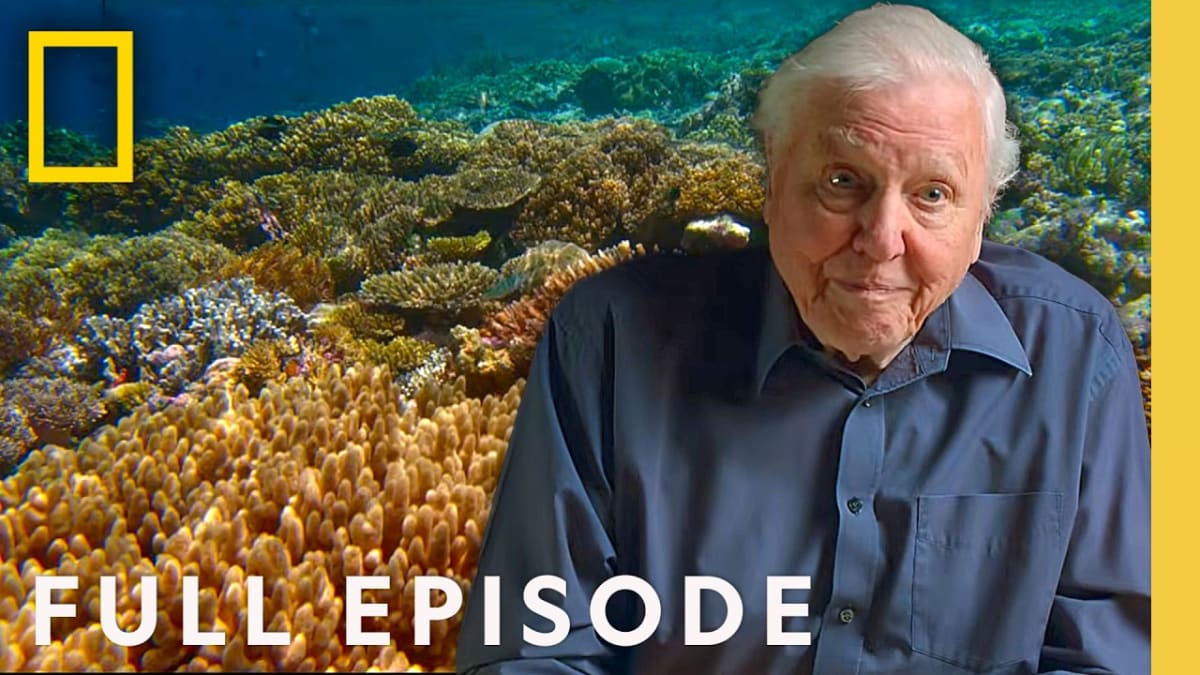
At 100 years old, Sir David Attenborough is celebrated for bringing the natural world into our living rooms. But his greatest achievement might be something most people have never heard about: transforming Bristol into the beating heart of global wildlife filmmaking.
The city now produces 80% of high quality natural history television worldwide. Around 1,000 people work across 15 wildlife production companies, creating content for Netflix, Apple, Disney, National Geographic, and the BBC.
"Without Sir David, the wildlife film industry in Bristol would be a shadow of what it is," says Keith Scholey, who has directed alongside Attenborough for 40 years and co-founded Silverback Films. The industry is worth around $125 million annually.
Attenborough's influence started in the 1970s when he created the concept of ambitious landmark programmes as controller of BBC2. Then he left management to present, partnering with the BBC's Natural History Unit in Bristol to make Life on Earth.
The 1979 series changed everything. Filmed in over 100 locations and watched by 500 million people globally, it proved wildlife films could be international blockbusters. For the first time, American money flowed into natural history programming through a Warner Brothers co-production deal.
"That was the first time money from America had been invested in a natural history series," Scholey recalls. "And we never looked back."
Attenborough also pushed technical boundaries. His teams invented new camera techniques, filmed bats in wind tunnels, and pioneered sharper color film stock. He remains the only person to win BAFTA awards across black and white, color, HD, 3D, and 4K formats.
Over 50 years, Bristol built a complete production ecosystem. The city now has specialists who can color grade, sound design, and edit wildlife footage better than anywhere else on Earth.
The Ripple Effect
Global broadcasters now come to Bristol instead of the other way around. "We had the big players coming to us," says Scholey. "Because it was known as a centre of excellence."
The Wildscreen Festival, called the "Oscars of Wildlife," brings the international industry to Bristol every two years. "Bristol is seen as the kind of 'Green Hollywood'," says CEO Lucie Muir.
When Scholey interviewed to run the BBC's Natural History Unit in 1998, he was asked how he would replace Attenborough. Nearly 30 years later, that question still has no answer. The unit has developed numerous presenters, but Attenborough is a one of a kind.
His legacy lives on in every frame filmed, every story told, and every person employed in Bristol's thriving green industry.
More Images




Based on reporting by BBC Science
This story was written by BrightWire based on verified news reports.
Spread the positivity!
Share this good news with someone who needs it