Deep-Sea Robots Crack Antarctica's Ice Mystery
Scientists using torpedo-shaped underwater robots finally solved a decade-long puzzle about why Antarctic sea ice suddenly started shrinking in 2016. The discovery helps us better understand and prepare for sea level changes affecting coastal communities worldwide.
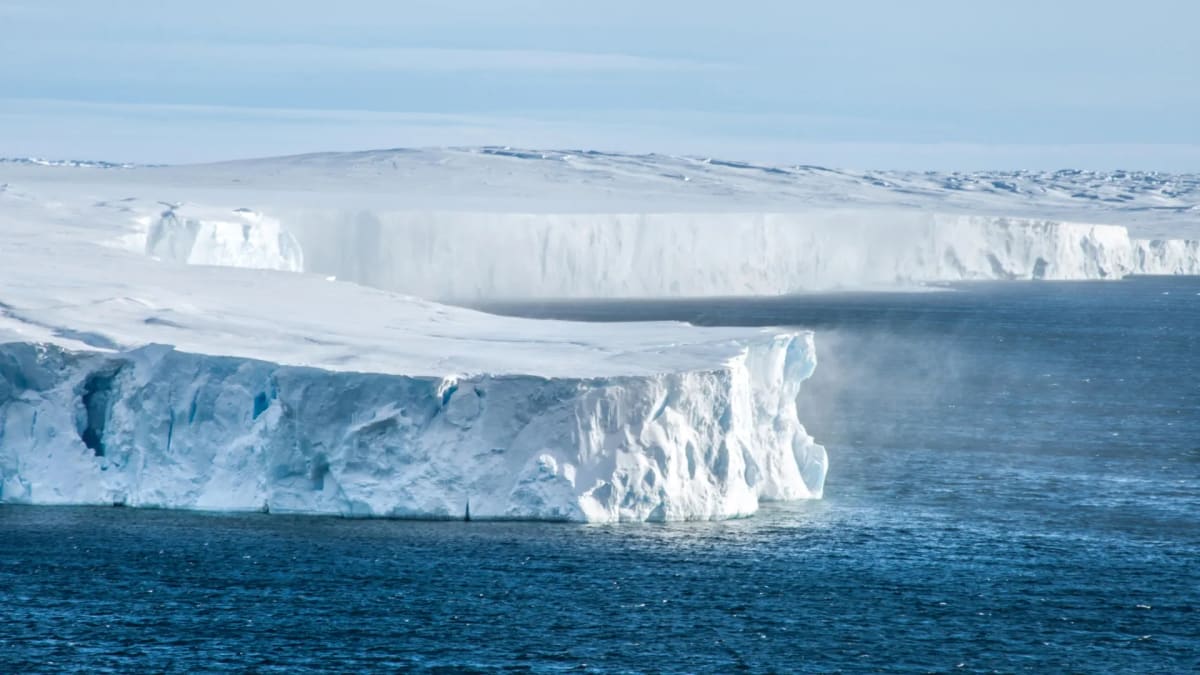
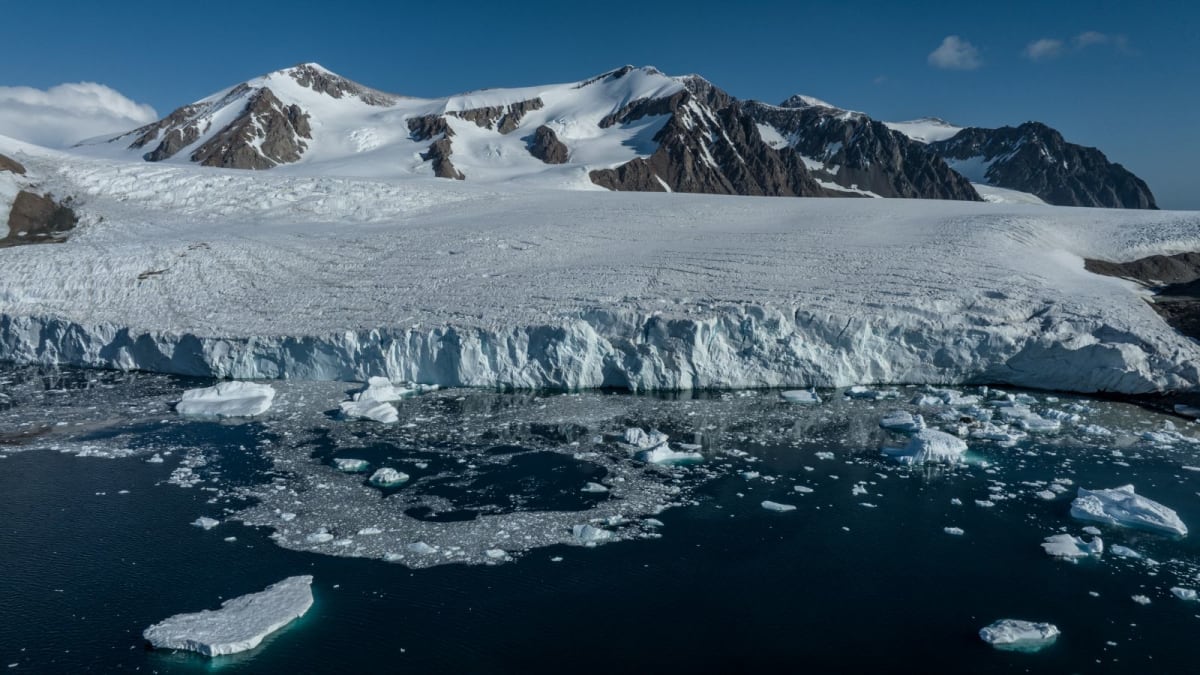
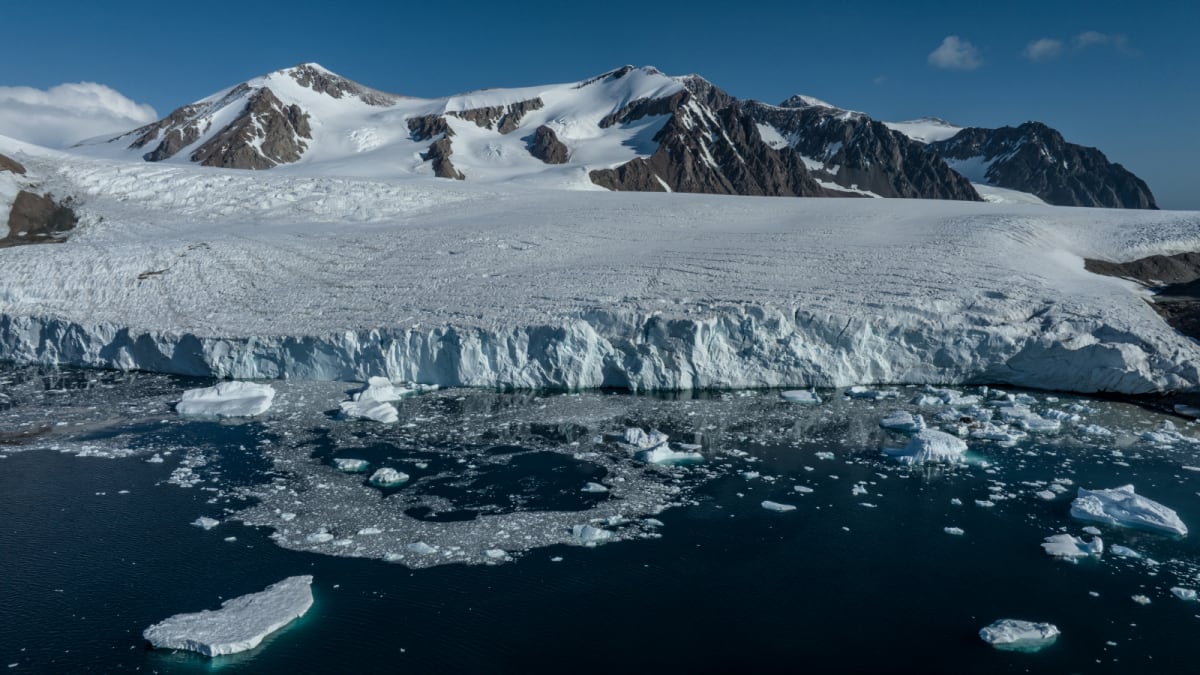
For decades, Antarctic sea ice had been expanding even as the planet warmed, defying expectations and puzzling scientists worldwide. Then in 2016, something dramatic happened: the ice suddenly shrank and hasn't recovered since.
Now, an unlikely hero has helped crack the mystery. Torpedo-shaped robots called Argo floats, about the size of a human, dove thousands of feet below the ocean surface to gather crucial data. These tireless machines spent years sinking and rising, measuring temperature and salinity, then beaming their findings to satellites above.
What they discovered tells a story of hidden warmth and dramatic change. In Antarctic waters, cold air chills the ocean surface while warmer water swirls below, the opposite of what happens in most oceans. Before 2016, increased precipitation made surface waters fresher, creating a barrier that trapped warmth in the depths.
"One of the key takeaways from the study is that the ocean plays a huge role in sort of modulating how sea ice can vary from year to year, decade to decade," said Earle Wilson, a polar oceanographer at Stanford University who led the research.
Then the winds shifted. Stronger gusts pushed surface waters away from Antarctica and churned up that trapped warmth from below. Wilson describes it as "a very violent release of all that pent up heat" that caused the ice decline.
Why This Inspires
This breakthrough shows the power of patient, persistent science. Those robot floats gathered data year after year, slowly building the picture scientists needed to understand this complex system. Their findings give us better tools to predict sea level changes that will affect millions of coastal residents.
The research also demonstrates how innovative technology can help us understand our changing planet. By knowing what drives ice loss, scientists and communities can better prepare for the future and develop more accurate climate models.
Climate scientist Zachary Labe from Climate Central, who wasn't involved in the study, confirmed the significance: the research helps prove that deeper ocean warmth plays a major role in Antarctic changes.
Understanding these patterns means coastal cities worldwide can plan smarter for rising seas. The knowledge gained from these diving robots brings us one step closer to protecting vulnerable communities and making informed decisions about our shared future.
More Images

Based on reporting by Google News - Science
This story was written by BrightWire based on verified news reports.
Spread the positivity!
Share this good news with someone who needs it