Delaware EV Owners Earn Thousands Supporting Power Grid
Electric car owners in Delaware are making thousands of dollars a year by letting their parked vehicles store and share electricity with the power grid. A pilot program proves your car can pay you back while you sleep.
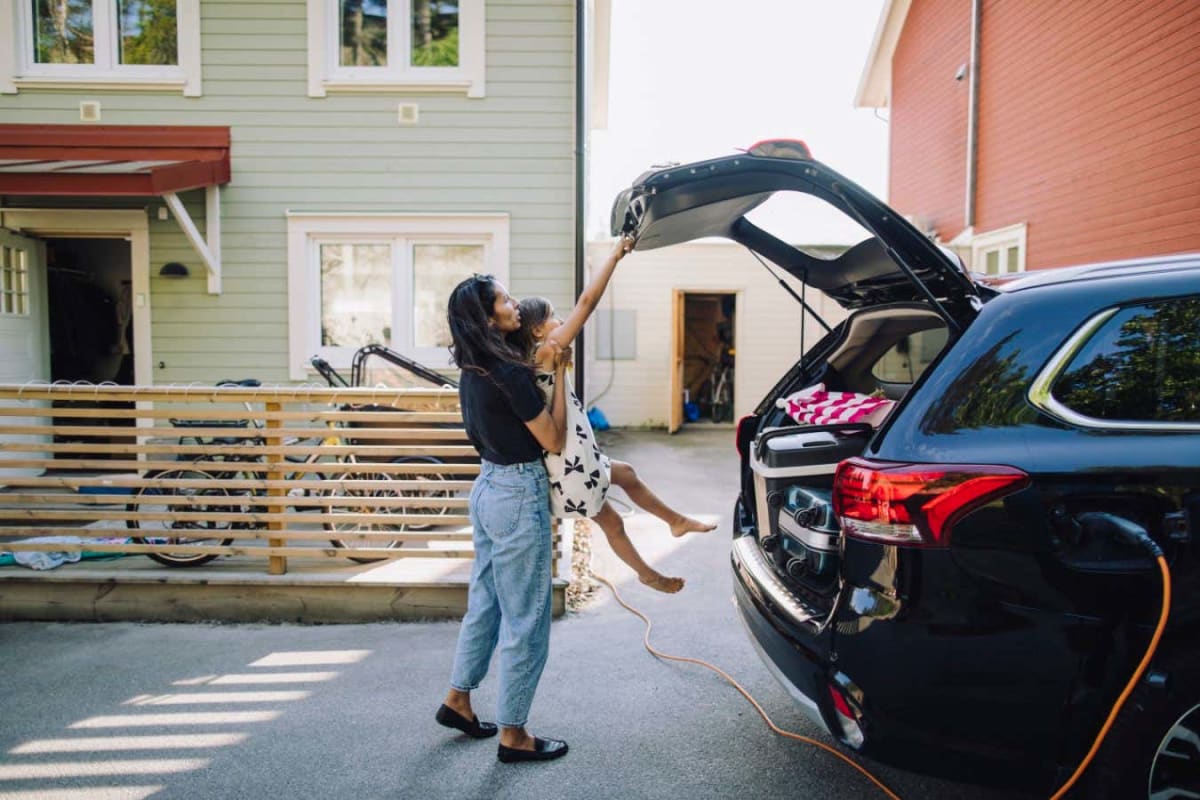
Imagine your car earning money while it sits in your driveway overnight. That's exactly what's happening for electric vehicle owners in Delaware who joined a groundbreaking pilot program.
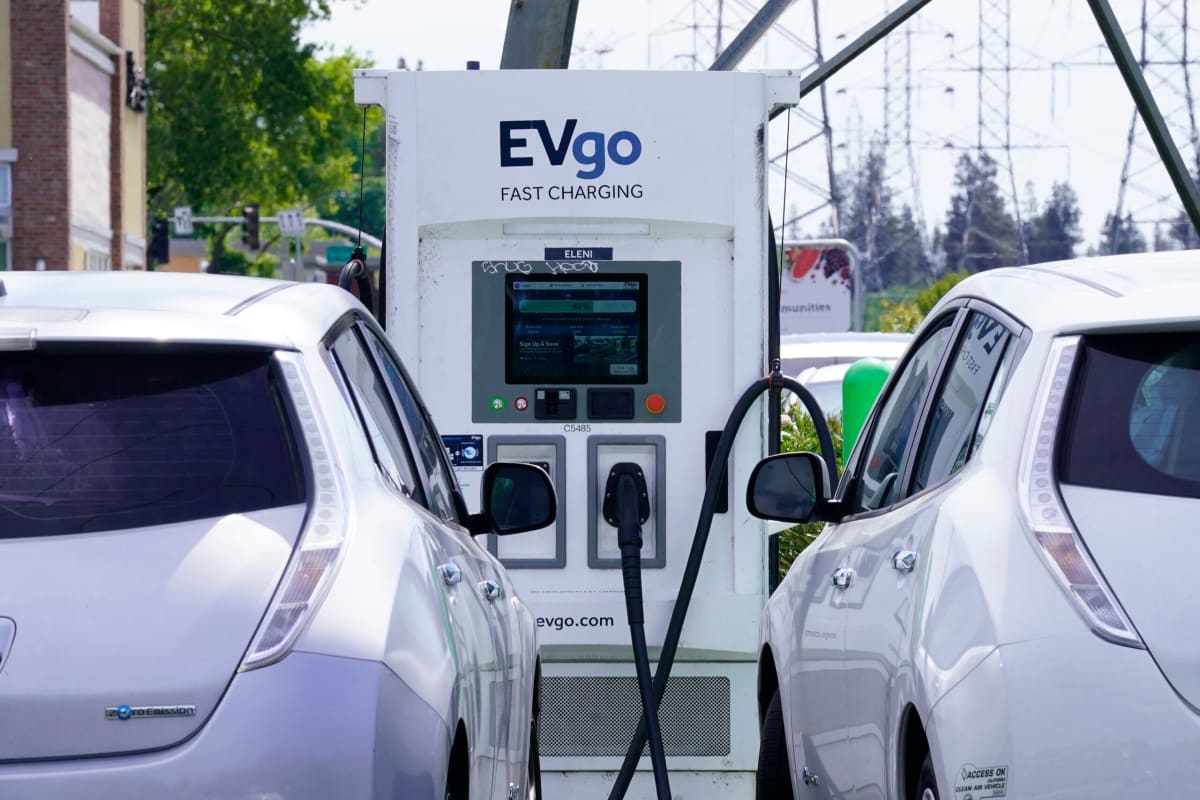
The project turns parked electric cars into a massive shared battery system. When solar panels and wind farms produce extra electricity, these vehicles store it. When demand peaks, they send power back to the grid.
Participants are earning thousands of dollars annually just for plugging in their cars. They're not giving up driving time or convenience. The system works automatically while vehicles sit idle, which is about 90 percent of the time for most cars.
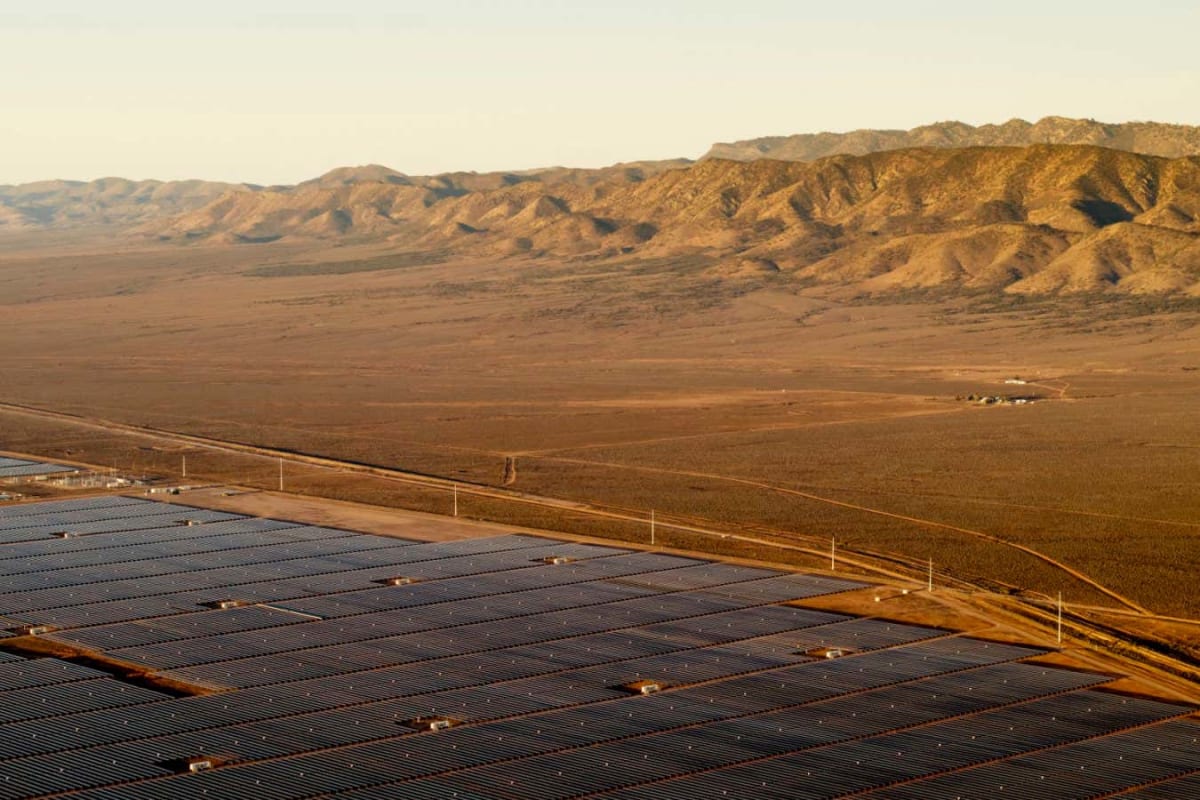
This innovation arrives at the perfect moment. More than 90 percent of new electricity generation built today comes from renewable sources like solar and wind. These clean energy sources have one catch: they only produce power when the sun shines and the wind blows.
That's where electric vehicles become game changers. Together, they create storage capacity that smooths out the ups and downs of renewable energy. Too much electricity at noon when solar panels are blazing? The cars soak it up. Evening demand spike when the sun sets? The cars share their stored power.
The Ripple Effect
This pilot program solves multiple challenges at once. EV owners get paid for something they're already doing. The power grid becomes more stable and reliable. Communities can rely more heavily on clean, renewable energy without worrying about blackouts.
The financial incentive makes electric vehicles even more attractive to buyers. The upfront cost has been a barrier for many families, but earning thousands back each year changes that calculation significantly.
Other states are watching Delaware closely. If this model scales nationwide, millions of electric vehicles could form the world's largest distributed battery network. That would accelerate both EV adoption and the transition away from fossil fuels.
The technology requires nothing special from car owners. No technical knowledge, no complicated setup, just a willingness to let their vehicle help when it's not being driven. The cars automatically protect their batteries, ensuring owners always have enough charge for their daily needs.
Your next car could be your next income stream while helping power a cleaner future.
More Images



Based on reporting by New Scientist
This story was written by BrightWire based on verified news reports.
Spread the positivity!
Share this good news with someone who needs it