Delhi Chef Revives Rare Indigenous Indian Ingredients
A Delhi restaurant owner is traveling across India to bring forgotten native vegetables and flowers back to the table. Her farm-to-fork mission is giving tribal ingredients their culinary spotlight.
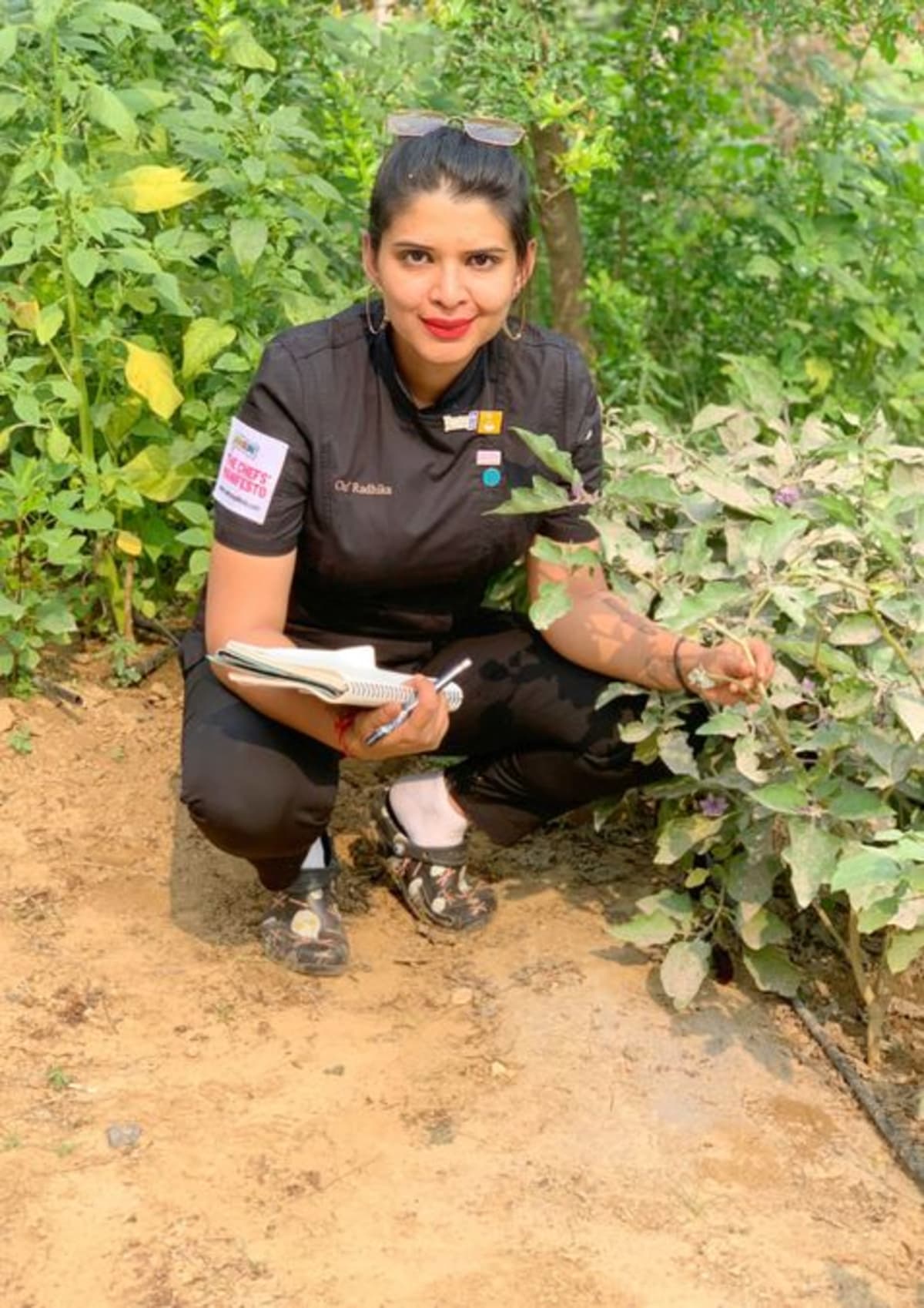
Chef Radhika Khandelwal is on a treasure hunt across India, and her prizes are vegetables most of us have never heard of.
As chef-owner of Trouble Trouble at Fig & Maple in Delhi, Radhika partners with farmers nationwide to source indigenous ingredients that have nearly disappeared from modern kitchens. Her mission is simple: celebrate local, sustainable, and seasonal foods that tell India's forgotten culinary stories.
Take takla, a monsoon vegetable from Sawantwadi that tastes like fenugreek with a citrus twist. Or kaane dhaniya, jagged leaves with a bold pungent flavor that tribal communities across Northeast India use in chutneys and smoked pork stews. Radhika discovered it adds an earthy punch that dominates any dish.
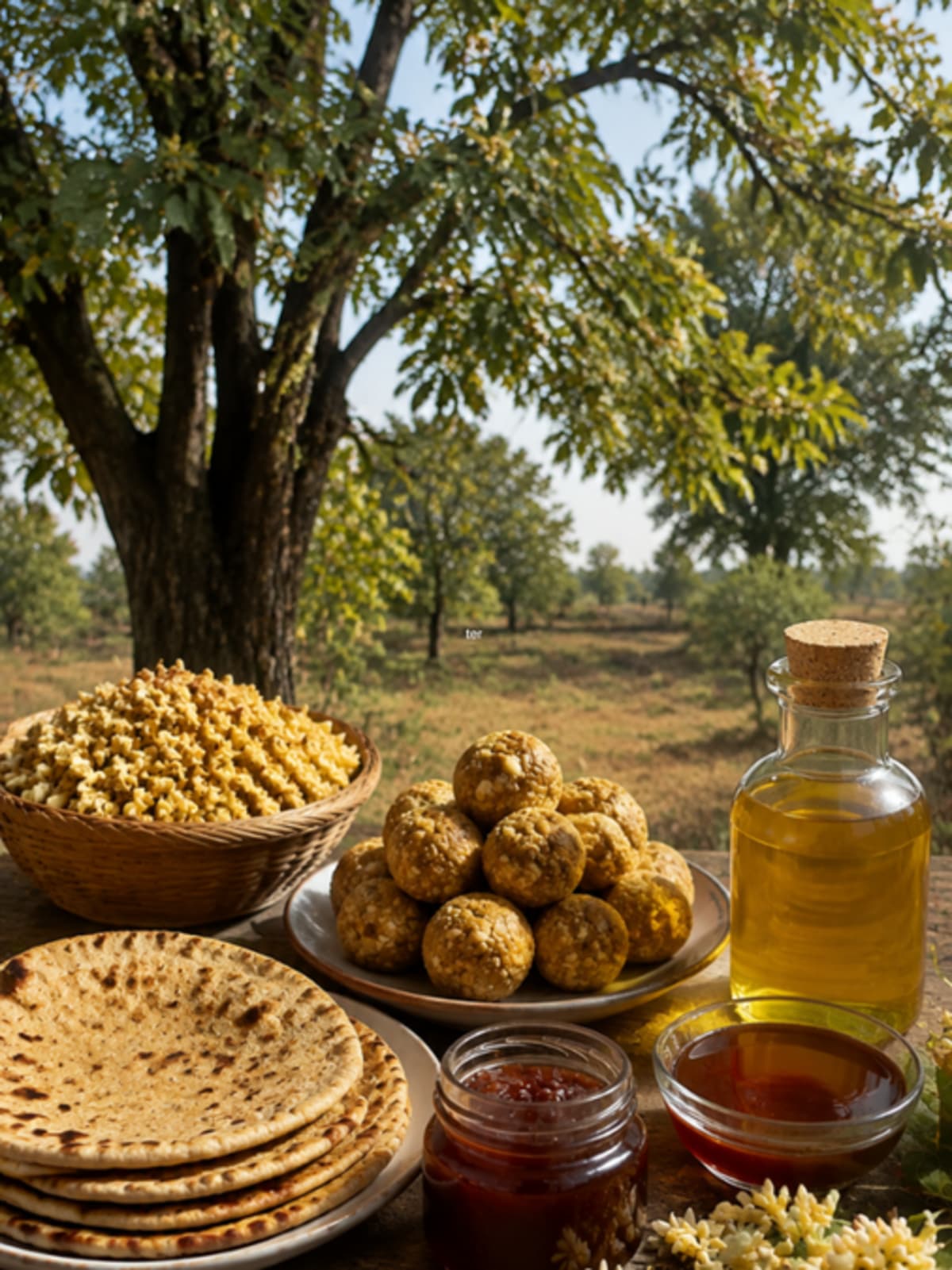
Her most surprising find came during a stop at a local home in Tijara, Rajasthan. There, she tasted bopool, the flower of the hummingbird tree, fried to crispy perfection. Now at her restaurant, she stuffs it with blue cheese and transforms it into fritters that introduce diners to an ingredient they never knew existed.
Radhika's ingredient hunts take her into forests and rural villages, but she follows one strict rule: take only what you need. This foraging philosophy respects the land while uncovering culinary gems that have fed communities for generations.
At her restaurant, these rare ingredients become stars. The kaane dhaniya elevates her thecha, a traditional Maharashtrian condiment usually made with green chillies, garlic, and coriander. Each dish tells the story of a farmer, a region, and a flavor profile that deserves recognition.
The Ripple Effect
Radhika's work does more than create interesting menus. By sourcing directly from farmers who grow these native varieties, she's creating economic opportunities for rural communities and preserving agricultural biodiversity. Every dish served introduces urban diners to ingredients that might otherwise vanish, creating demand that encourages farmers to keep growing them.
Her zero-waste, farm-to-fork approach also challenges the restaurant industry's typical supply chains. Working with small farmers across India means supporting sustainable agriculture while celebrating regional food traditions that industrial farming often overlooks.
Through her kitchen, forgotten ingredients are becoming culinary heroes again.
Based on reporting by The Better India
This story was written by BrightWire based on verified news reports.
Spread the positivity!
Share this good news with someone who needs it