Delhi Couple Builds Earthquake-Proof Himalayan Homestay
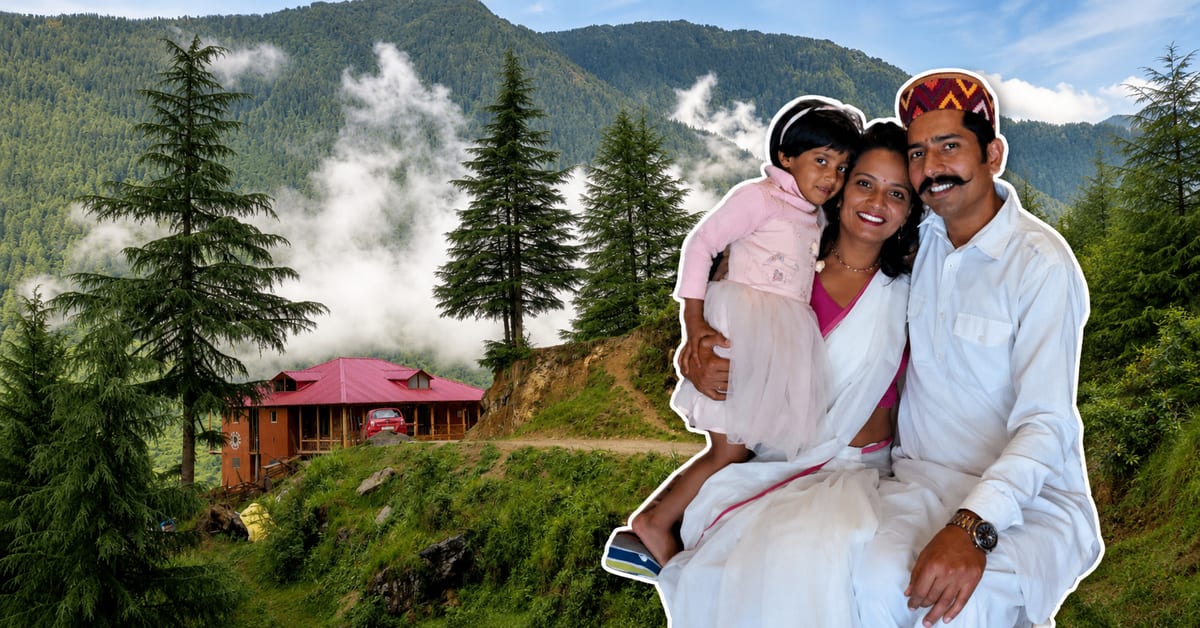
Suchita and Vikas Tyagi traded Delhi for the mountains to build Shan 'e' Ghar Homes using centuries-old kath kuni architecture that needs zero cement. Their eco-friendly homestay in Sainj Valley welcomes guests into a home that's stood strong for three years using only wood, stone, and mud.
A city-bred couple with no architecture degree just proved that ancient building techniques can create modern dreams in the Himalayas.
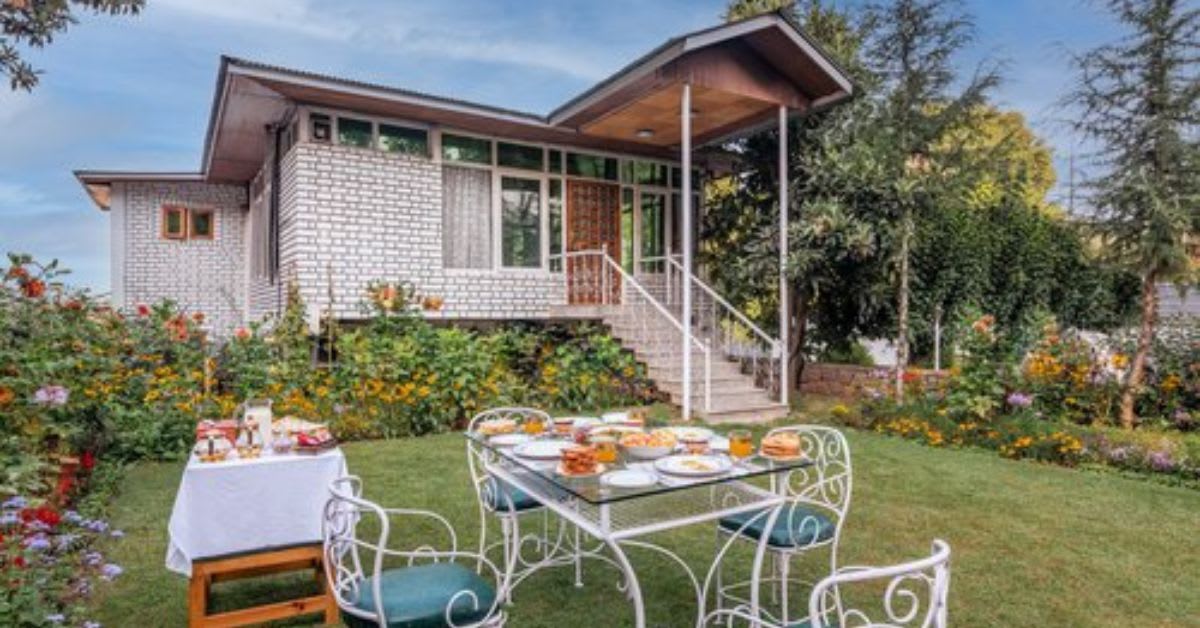
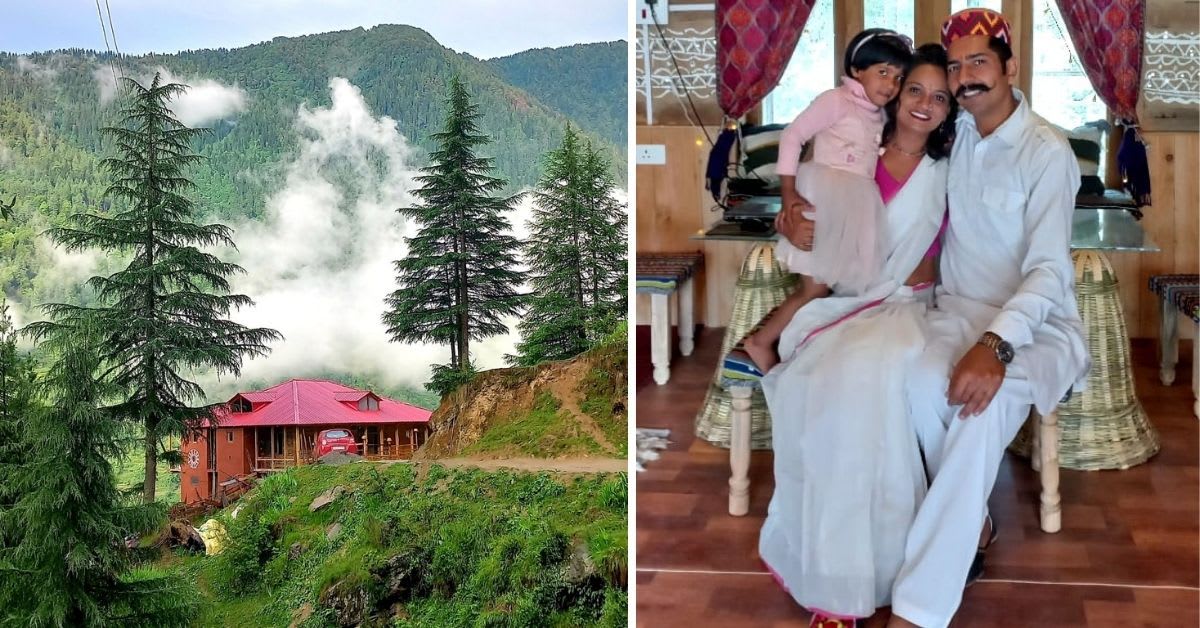
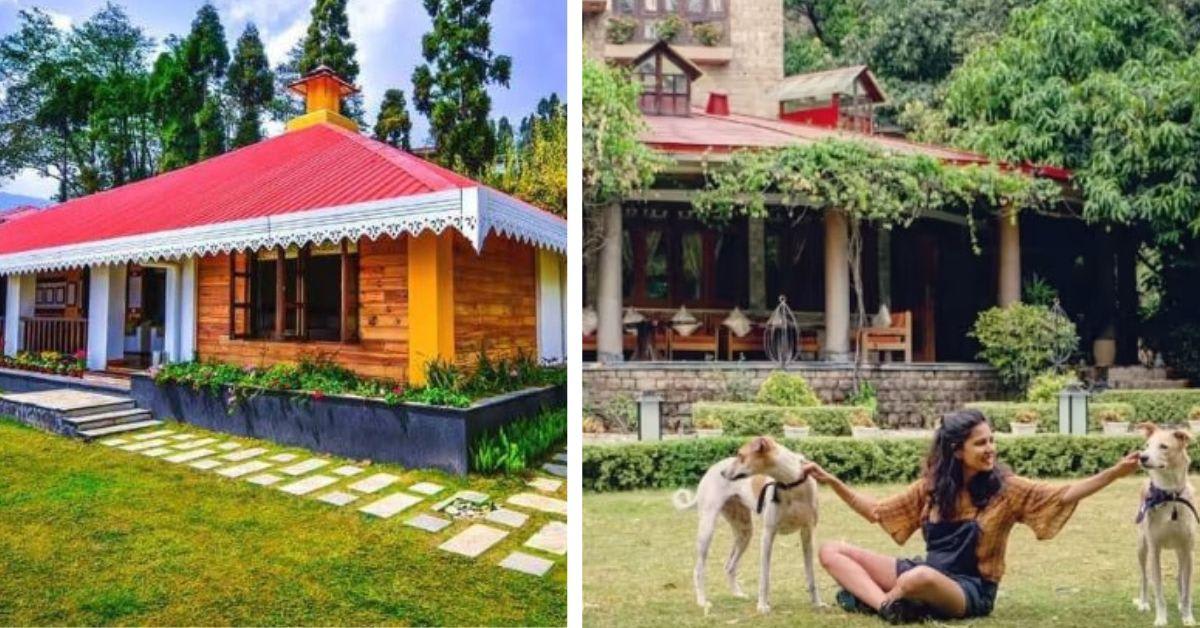
Suchita and Vikas Tyagi spent three years constructing their eight-room homestay in Himachal Pradesh's Sainj Valley, nestled within the Great Himalayan National Park. They used kath kuni, a traditional method that's been passed down orally for centuries across northern India's hills.
The technique stacks wooden beams and stones alternately to create structures that can reach seven floors high. What makes it special? It's completely earthquake-resistant and uses zero cement, relying only on wood, stone, and mud.
"Whether it's hot or cold outside, we've always stayed well protected and cozy within," says Suchita, 38, who fell in love with the valley during a solo trip in 2018. The natural materials provide perfect insulation against extreme mountain weather.
The couple researched for months and worked with local masons to bring their vision to life. They made smart updates to the traditional design, adding attached bathrooms for guest comfort since pahadi homes typically keep toilets separate from the main structure.
Inside, recycled pallets become beds and baskets. Guests pay Rs 3,500 per night including breakfast, with most staying four nights to fully experience the valley's clean air, fresh produce, and nearby villages.
The Bright Side
Suchita and Vikas aren't just running a business. They're preserving a building method that's survived earthquakes and extreme weather for generations while showing that sustainable tourism can thrive within UNESCO World Heritage sites.
The homestay serves authentic Himachali Dham, a traditional vegetarian feast where guests sit cross-legged on the floor and eat from pattal leaves. Local vegetables, pulses, and house-made chutneys create meals that honor the region's culinary heritage.
"This is our home," says Vikas, 40, who still works remotely for a Delhi software firm. "When you decide to come stay here, we're opening up a part of our home to you."
The couple faces unique challenges. The UNESCO designation means no loud music, careful protection of local flora and fauna, and constant education for guests expecting conventional hotel amenities.
Maintenance costs exceed construction expenses. The mud walls need regular polishing and insect prevention, but Suchita says leaving Delhi's hustle was worth every challenge.
Their success proves that ancient wisdom and modern hospitality can create something beautiful together.
More Images
%2Fenglish-betterindia%2Fmedia%2Fmedia_files%2F2026%2F07%2F08%2Fsuchita-and-vikas-tyagi-2026-07-08-11-11-59.png)
%2Fenglish-betterindia%2Fmedia%2Fpost_attachments%2Fuploads%2F2022%2F07%2FWhatsApp-Image-2022-07-06-at-8.56.56-AM-1657085791.jpeg)
Based on reporting by The Better India
This story was written by BrightWire based on verified news reports.
Spread the positivity!
Share this good news with someone who needs it