Delhi Invests $39M to Upgrade Housing for Slum Residents
Delhi's government just launched $39 million in infrastructure upgrades bringing clean water, housing, and healthcare to the city's most vulnerable neighborhoods. For the first time, residents in informal settlements will get access to medical clinics, subsidized meals, and proper sanitation.
Millions of Delhi residents living in informal settlements are getting a massive infrastructure upgrade that promises to transform their daily lives.
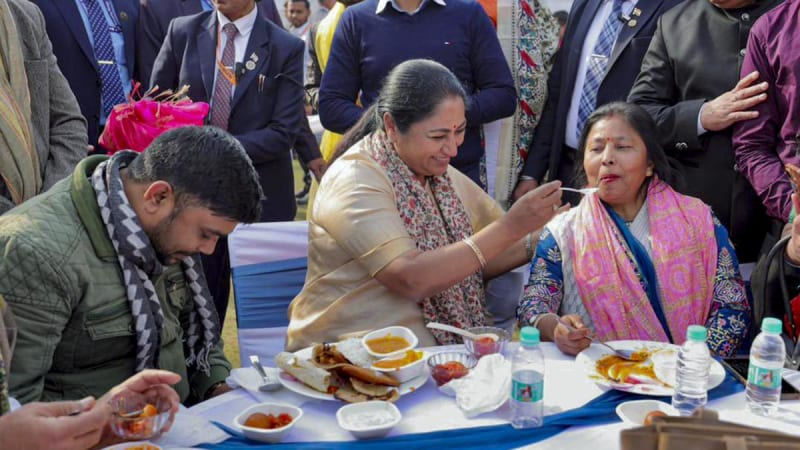
Chief Minister Rekha Gupta inaugurated projects worth $39 million (₹327 crore) on January 26, 2026, designed specifically to bring basic services to slum communities across India's capital. The government has already awarded contracts for $17 million of the work and set aside $84 million total for developing these neighborhoods over the coming months.
The upgrades tackle the essentials many take for granted. New drainage systems will prevent flooding during monsoon season. Paved roads will replace muddy pathways. Public toilets, parks, and community centers are being built in areas that previously had none.
Housing improvements form the backbone of the initiative, addressing the cramped and unsafe conditions where families have lived for generations. Clean water access and proper sanitation infrastructure are being fast-tracked as priority projects.
Healthcare represents perhaps the biggest shift for residents. The government is establishing Ayushman Arogya Mandirs, dedicated health clinics serving these communities for the first time. Nutrition services will help address malnutrition, particularly among children and pregnant women.
Atal Canteens are also coming to informal settlements, providing subsidized meals to families who often struggle to afford adequate food. These government-run cafeterias have successfully served low-income communities in other Indian cities.
The Ripple Effect
Better infrastructure in informal settlements creates opportunities that extend far beyond new buildings. When children have access to clean water and proper sanitation, school attendance increases because waterborne illnesses decrease. When families live near healthcare clinics, they catch diseases early instead of facing medical emergencies.
Improved roads and lighting make neighborhoods safer, especially for women and girls traveling after dark. Community centers provide space for skills training and small business development. These seemingly simple upgrades can break cycles of poverty that have persisted for decades.
Delhi's informal settlements house an estimated 20% of the city's population, meaning these improvements will touch millions of lives. As word spreads about the changes, residents in similar communities across India may advocate for comparable investments in their own neighborhoods.
When governments prioritize dignity and basic services for their most marginalized citizens, everyone benefits from a healthier, more stable society.
Based on reporting by The Hindu
This story was written by BrightWire based on verified news reports.
Spread the positivity!
Share this good news with someone who needs it