Delhi Student, 20, Helps 70 Waste Pickers Recycle 450 Tonnes
A conversation with a migrant waste picker inspired Karan to transform Delhi's recycling system. His company Finobadi now provides steady income to over 70 workers while keeping hundreds of tonnes out of landfills.
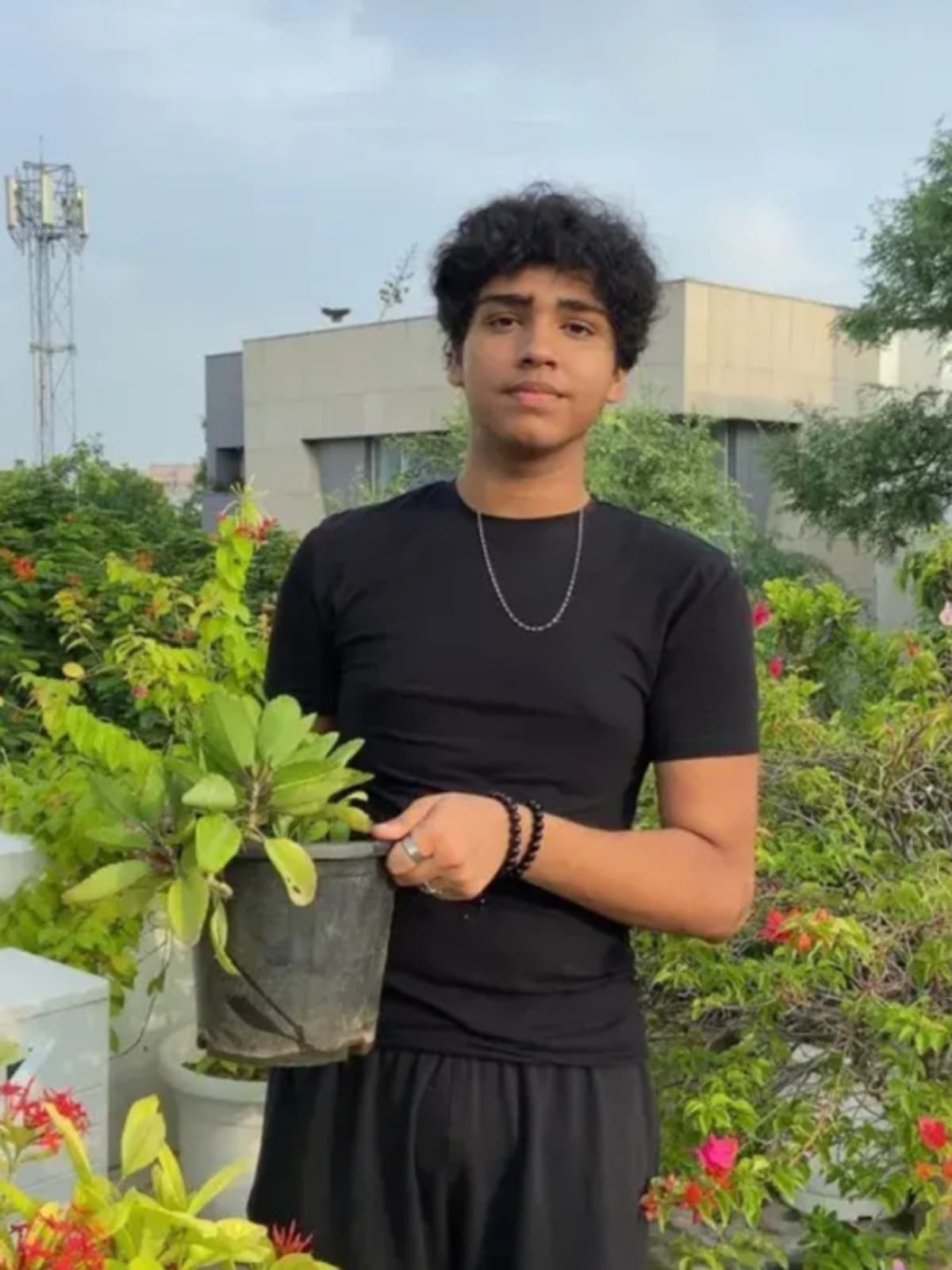
When 20-year-old Karan met Dharma, a waste picker who had migrated from Uttar Pradesh to Delhi, he learned something startling. The people who keep Delhi's recycling running don't see themselves as trash collectors but as businessmen without fair pay or respect.
That conversation changed everything. Karan, whose father built a workshop from nothing in Bihar, had already learned about solving real problems during COVID when he ran a milk delivery service with his brother.
Through Udhyam Shiksha, a Delhi government entrepreneurship program, Karan was pushed beyond the classroom to observe real-world challenges. He visited waste sites and talked to informal workers, discovering their world was chaotic and unfair.
The waste pickers told him their earnings were uncertain and irregular. They worked in Delhi's brutal heat, trudging streets with heavy sacks, invisible to most residents who benefited from their labor.
Karan named his solution Finobadi, blending "finance" and "kabadi" (trash). He printed pamphlets and hit the streets to build an organized collection system that would bring dignity and stability to waste workers.
With seed funding, a basic website, and an app, his team began coordinated pickups across neighborhoods. By 2024, Finobadi became a registered company with a sorting hub where women trained in safe waste segregation earn steady incomes.
Sunita, one of the workers, now supports her children's education with pride. "Now I support my children's studies," she says, a simple statement that captures the human impact of fair work.
The Ripple Effect
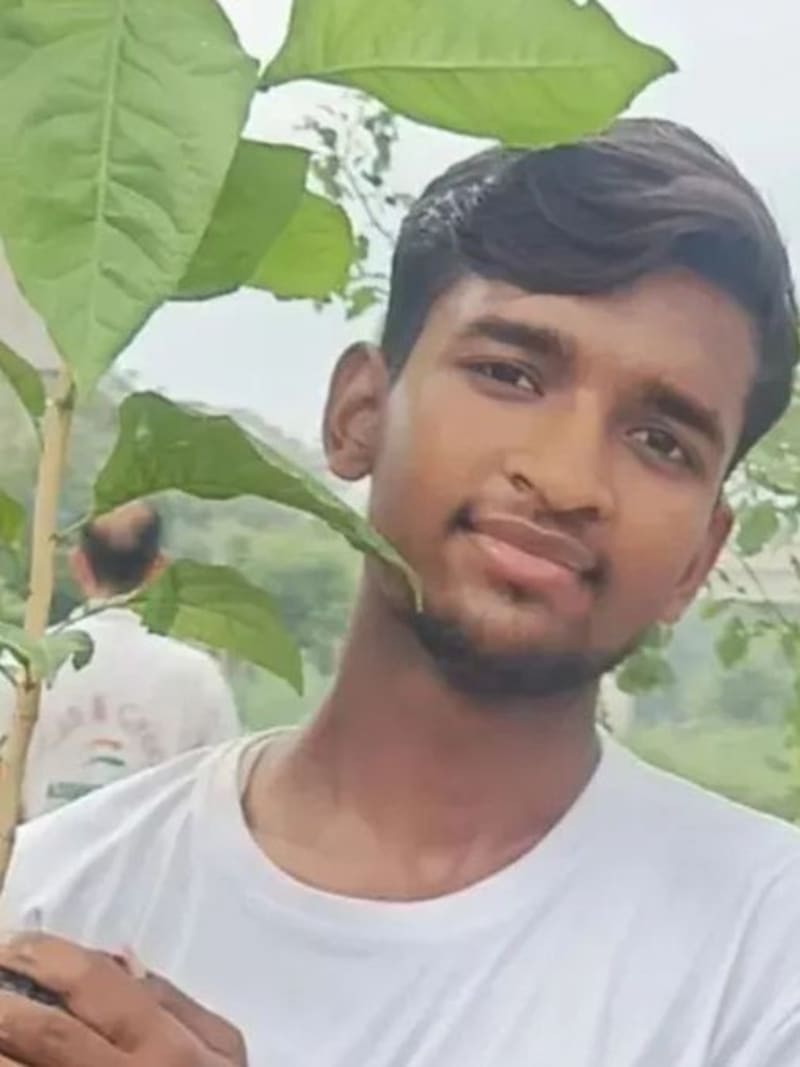
Finobadi has processed 450 tonnes of waste and created dependable income for over 70 workers. The company plants a sapling for every 100 kilograms recycled, adding 3,318 trees to Delhi's landscape.
Every morning starts with tree planting, a ritual Karan says reminds the team why they exist. The model connects responsible citizens, dignified workers, and proper recycling channels in one system.
"We want waste collectors to earn more and live with respect," Karan explains. At the same time, he wants citizens to take responsibility for their waste and ensure it reaches the right recycling destination.
What began as a shy student's field project has become a new kind of recycling story, one where invisible workers finally get seen.
Based on reporting by The Better India
This story was written by BrightWire based on verified news reports.
Spread the positivity!
Share this good news with someone who needs it