Delhi Targets 15% Cleaner Air With Metro and EV Expansion
India's capital just unveiled an ambitious plan to slash dangerous air pollution by up to 20% through expanded public transit, thousands of new electric vehicle charging stations, and stricter monitoring. The city that ranked among the world's most polluted is finally getting the infrastructure overhaul it needs.
Delhi is betting big on electric buses, Metro expansion, and 36,000 new charging stations to cut the toxic smog that's plagued millions of residents for years.
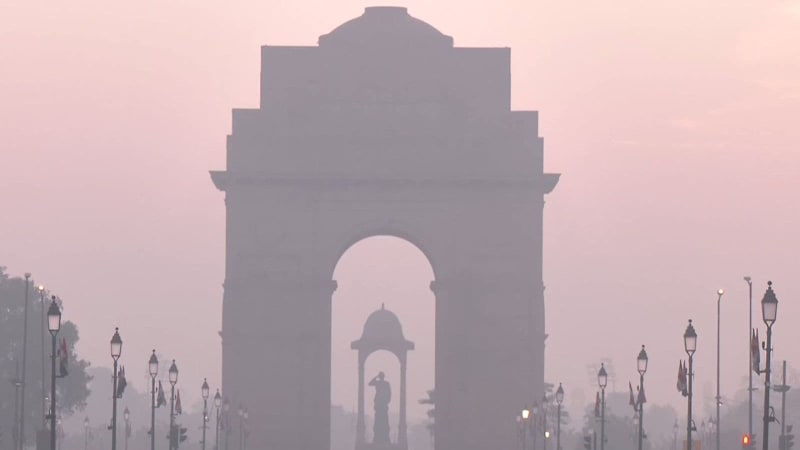
The Commission for Air Quality Management released its 2026 State Action Plan on Sunday, setting measurable targets to reduce PM2.5 levels by 15% and PM10 by 20%. These tiny particles have made Delhi the second most polluted city in India this January, with pollution levels more than 11 times higher than World Health Organization guidelines.
The plan reads like a transportation revolution. Delhi Metro and the Namo Bharat rapid transit network will expand across new corridors, while the city works to add more than 5,700 buses to close its massive public transit gap. Last-mile connections will improve through electric buses, autos, and rickshaws that run without spewing exhaust.
Electric vehicle infrastructure is getting serious attention. Delhi currently has fewer than 9,000 EV charging points but needs over 36,000 to support the transition. The government set quarterly targets to close this gap by March 2026, along with new battery-swapping stations to make electric vehicles practical for everyday drivers.
Air quality monitoring is being strengthened too. Delhi will increase its continuous monitoring stations from 40 to 46, with audits of existing equipment and expanded emission tracking at industrial sites. These stations will provide real-time data to help residents protect their health and hold polluters accountable.
The plan tackles pollution beyond vehicles. Three massive landfill sites will finally be cleared between 2026 and 2027, starting with Okhla this July. New bio-CNG and biogas plants will process municipal waste instead of letting it rot and release methane. Construction waste will get recycled into building materials rather than creating dust clouds.
Delhi has already received over 81 crore rupees in funding and spent about a third on initial projects, with more procurement underway. The targets are measured against the previous five years of data, making progress trackable and officials accountable.
The Ripple Effect
When a megacity of 30 million people cleans its air, the benefits cascade across South Asia. Healthier residents mean fewer hospital visits and missed work days. Cleaner public transit makes climate-friendly choices easier for millions. And if Delhi can tackle pollution this severe, it becomes a roadmap for other struggling cities from Dhaka to Jakarta.
The monitoring data will show whether promises become reality, but for the first time in years, Delhi residents have concrete reasons to breathe easier.
Based on reporting by Indian Express
This story was written by BrightWire based on verified news reports.
Spread the positivity!
Share this good news with someone who needs it