Delhi's New Policy to House 400,000 Slum Families
India just expanded housing eligibility for 400,000 families living in Delhi's informal settlements, moving the cutoff date forward by ten years. The new policy promises not just homes, but complete communities with schools, health centers, and playgrounds.
Four hundred thousand families in Delhi just got a pathway to permanent housing under a policy that officials say will transform lives across India's capital.
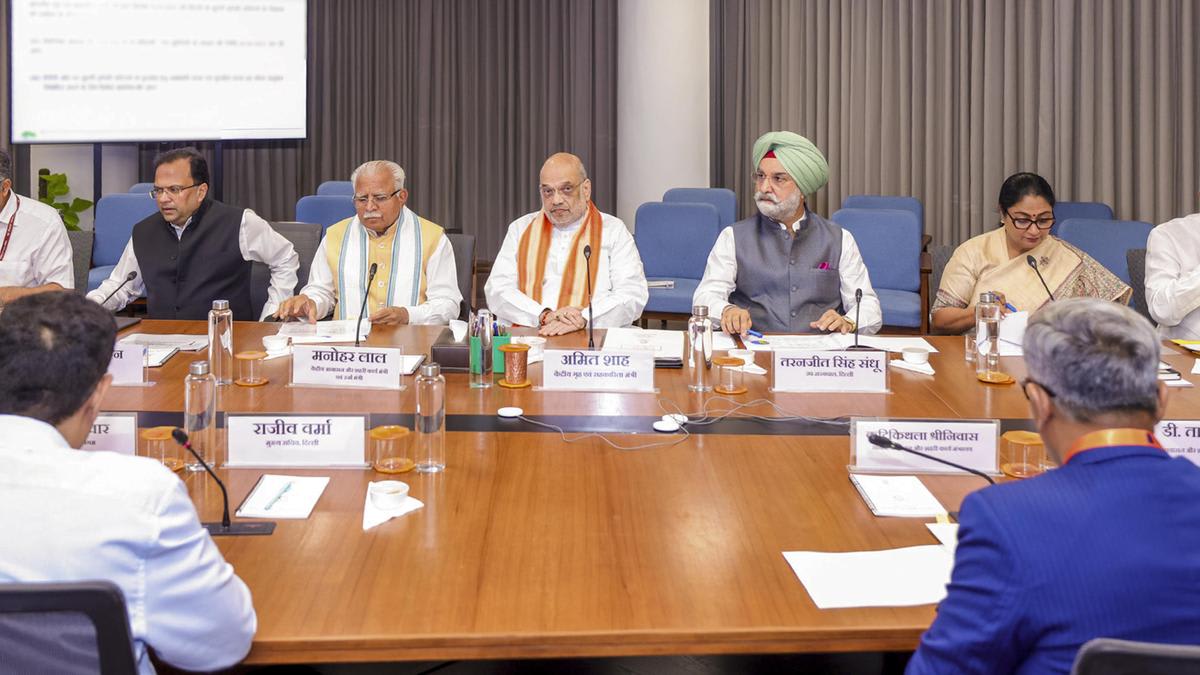
Union Home Minister Amit Shah announced the Delhi Slum and JJ Cluster Rehabilitation and Relocation Policy 2026 on Tuesday, replacing a 2015 framework that left many families without options. The biggest change? The eligibility cutoff date moved from January 1, 2015 to January 1, 2025, opening doors for hundreds of thousands more residents.
The government ordered the first five housing projects to begin within 45 days. Delhi officials plan to launch at least five new rehabilitation projects every month using public-private partnerships, with tenders prepared for 50 additional clusters.
But this isn't just about four walls and a roof. Shah made clear that these new communities must include anganwadi childcare centers, schools, health clinics, and playgrounds. Families won't just get relocated. They'll get neighborhoods designed for thriving.
Chief Minister Rekha Gupta, Lieutenant Governor Taranjit Singh Sandhu, and Housing Minister Manohar Lal attended the review meeting where Shah issued the directives. The teams now have clear marching orders to turn policy into reality quickly.
The Ripple Effect
Housing security creates stability that touches every part of family life. Children in permanent homes attend school more regularly. Parents can focus on work instead of worrying about eviction. Communities form stronger bonds when neighbors aren't constantly displaced.
Delhi's informal settlements house millions of people who power the city's economy as domestic workers, drivers, construction laborers, and small business owners. Giving these families stable housing acknowledges their essential role in keeping the capital running.
The 2026 policy's expanded eligibility recognizes a basic truth: people who arrived in Delhi during the past decade deserve the same opportunities as those who came before. Ten more years of residents now qualify for permanent housing instead of living in limbo.
The ambitious timeline of five projects monthly shows officials understand the urgency. Four hundred thousand families means roughly two million people waiting for homes where they can finally put down roots.
Delhi just showed that including more people, not fewer, is how cities solve housing crises.
Based on reporting by The Hindu
This story was written by BrightWire based on verified news reports.
Spread the positivity!
Share this good news with someone who needs it

%2Ffile%2Fattachments%2Forphans%2FGathering-Friends3_449358.jpg)