Delhi's New Winter Air Plan Tackles Pollution Head-On
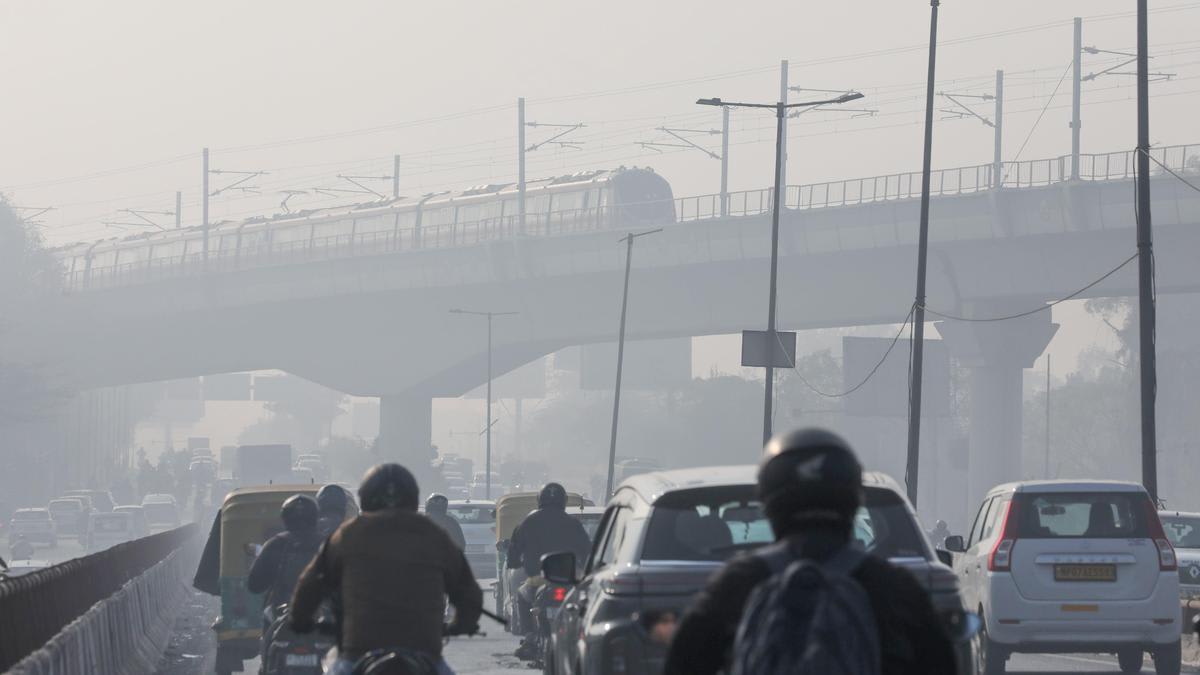
Delhi just announced a bold new framework to fight winter air pollution months before the season even starts. The proactive plan includes fuel restrictions, vehicle bans, and parking changes to protect millions from toxic air.
Delhi is taking the fight against winter air pollution seriously, and for the first time, they're getting ahead of the problem instead of reacting to it.
Chief Minister Rekha Gupta announced the Proactive Winter Air Quality Management Framework in June, giving residents and businesses months to prepare for new measures that will kick in during the city's notorious pollution season between November and February. The early notice marks a major shift from scrambling when air quality plummets.
The framework tackles pollution from multiple angles, starting with vehicles. Gas stations across Delhi will only sell fuel to cars with valid pollution certificates, cutting emissions from dirty vehicles that currently crowd the roads. From November through January, older commercial trucks registered outside the city won't be allowed in, though electric vehicles, CNG-powered vehicles, and emergency services get a pass.
To nudge people toward public transportation, the city will double parking fees at authorized lots from November through February. The message is clear: cleaner air requires fewer private cars on the road during peak pollution months.
The plan also addresses construction dust and open burning, two major pollution sources that previous efforts struggled to control. Staggered office timings will spread out traffic congestion, and strict bans on burning garbage and biomass aim to stop practices that send smoke billowing into winter air that already traps pollutants close to the ground.
The Ripple Effect
Delhi's 20 million residents aren't the only ones watching this experiment. A recent report found that 204 of 238 Indian cities failed to meet air quality standards, meaning solutions that work in Delhi could spread to communities across the country facing similar struggles.
The framework builds on existing pollution response plans but adds something crucial: time to prepare. Businesses can adjust supply chains, families can plan transportation, and enforcement agencies can staff up before winter arrives instead of scrambling when smog blankets the city.
By announcing measures in June for a November start, Delhi is showing that protecting public health doesn't require choosing between economic activity and clean air. It requires planning, coordination, and the political will to act before crisis hits.
Millions of people will breathe easier this winter because Delhi chose to plan ahead.
Based on reporting by The Hindu
This story was written by BrightWire based on verified news reports.
Spread the positivity!
Share this good news with someone who needs it