Delhi's Ramadan Food Scene Brings Thousands Together Nightly
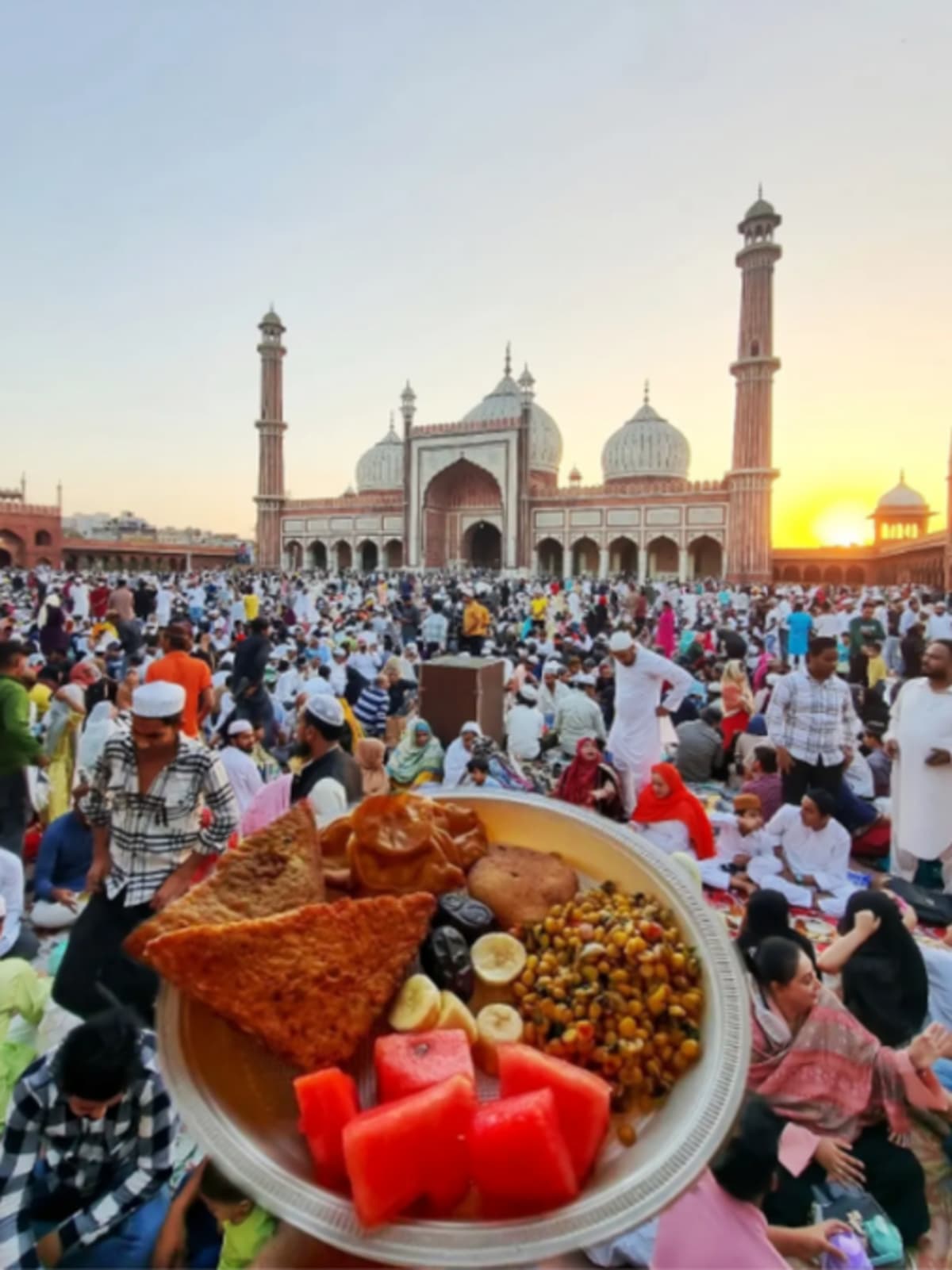
As the sun sets during Ramadan, Delhi's historic food lanes transform into vibrant gathering places where families and friends share traditional Iftar meals. From Old Delhi's Jama Masjid area to Shaheen Bagh's bustling streets, the city's culinary traditions are creating moments of connection and joy.
When darkness falls during Ramadan, Delhi's narrow lanes fill with the aroma of slow-cooked nihari, grilled kebabs, and sweet kunafa drawing thousands to the table. These aren't just meals—they're nightly celebrations of tradition, community, and shared humanity.
In Zakir Nagar, cooks at Javed Famous Nihari start preparing their signature dish the night before, simmering marrow until it becomes buttery soft in a rich gravy. The overnight cooking process creates layers of flavor that have made it an Iftar favorite for generations.
Near Jama Masjid in Old Delhi, vendors serve Sharbat-e-Mohabbat, a chilled watermelon and milk drink that offers refreshing relief after a day of fasting. The drink's name translates to "drink of love," reflecting the spirit of togetherness that defines these gatherings.
On Shaheen Bagh's 40 Feet Road, families line up for large, crispy Afghani samosas filled with spiced chicken and served with tangy chutney. At Al Yamin, the nine-item non-vegetarian platter feeds entire families, featuring everything from butter chicken to biryani with fluffy rumali rotis.
The charcoal grills at Qureshi Kabab Corner produce perfectly spiced mutton seekh kebabs, while Kebabish by Tanveer serves Peshawari-style chapli kebabs hot off the griddle. Each dish represents centuries of culinary tradition passed down through families.
For those with a sweet tooth, Al-Arabic prepares kunafa with crisp kataifi pastry layered with soft cheese and delicate syrup. At Pahalwan Ji, thick lassi topped with malai and rich kesar badam milk provides nourishing sweetness to end the meal.
The Ripple Effect: These food traditions do more than satisfy hunger. They create spaces where neighbors become friends, where stories are shared across steaming plates, and where Delhi's rich cultural heritage comes alive each night. The vendors, many running family businesses spanning generations, provide employment and preserve cooking techniques that might otherwise disappear.
Late into the night, Aslam Chicken serves its famous butter chicken, the smoky tandoori pieces swimming in molten butter and spices. The scene repeats across Delhi's food quarters—strangers sitting shoulder to shoulder, breaking bread together, finding common ground over shared meals.
These Ramadan nights remind us that the best moments often happen around a table, where food becomes the language that connects us all.
Based on reporting by The Better India
This story was written by BrightWire based on verified news reports.
Spread the positivity!
Share this good news with someone who needs it