Delhi's Wildlife Sanctuary Gets $7M Leopard-Safe Makeover
Delhi's only wildlife sanctuary is getting a major upgrade with a dedicated leopard corridor, wildlife underpass, and visitor center to protect big cats and reconnect urban families with nature. The 10-year plan brings hope for urban wildlife across India's crowded cities.
Delhi is building a wildlife underpass on a busy highway to save leopards from speeding cars, and it's just the beginning of an ambitious plan to transform the city's relationship with nature.
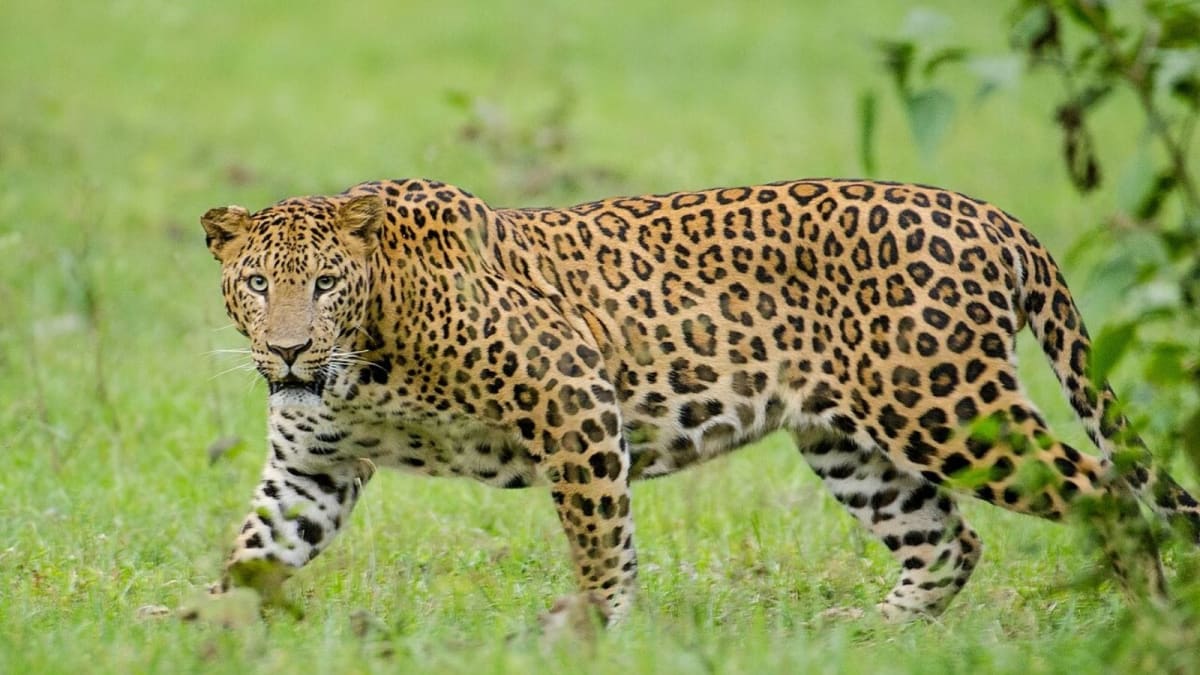
Asola Bhatti Wildlife Sanctuary, nestled in South Delhi's rugged Aravalli hills, is getting a $7 million makeover designed to protect leopards, hyenas, and dozens of other species while welcoming thousands of visitors to experience urban wildlife firsthand. The 10-year plan, crafted by India's Wildlife Institute, divides the sanctuary into five distinct zones to balance conservation with education.
The crown jewel of the plan is a dedicated wildlife underpass on the Gurgaon-Faridabad highway. Right now, leopards risk their lives crossing roads to move between forest patches. The underpass will give them a safe passage, connecting this sanctuary to the larger Sariska-Delhi wildlife corridor that stretches all the way from Rajasthan's tiger reserve to Delhi's ridge.
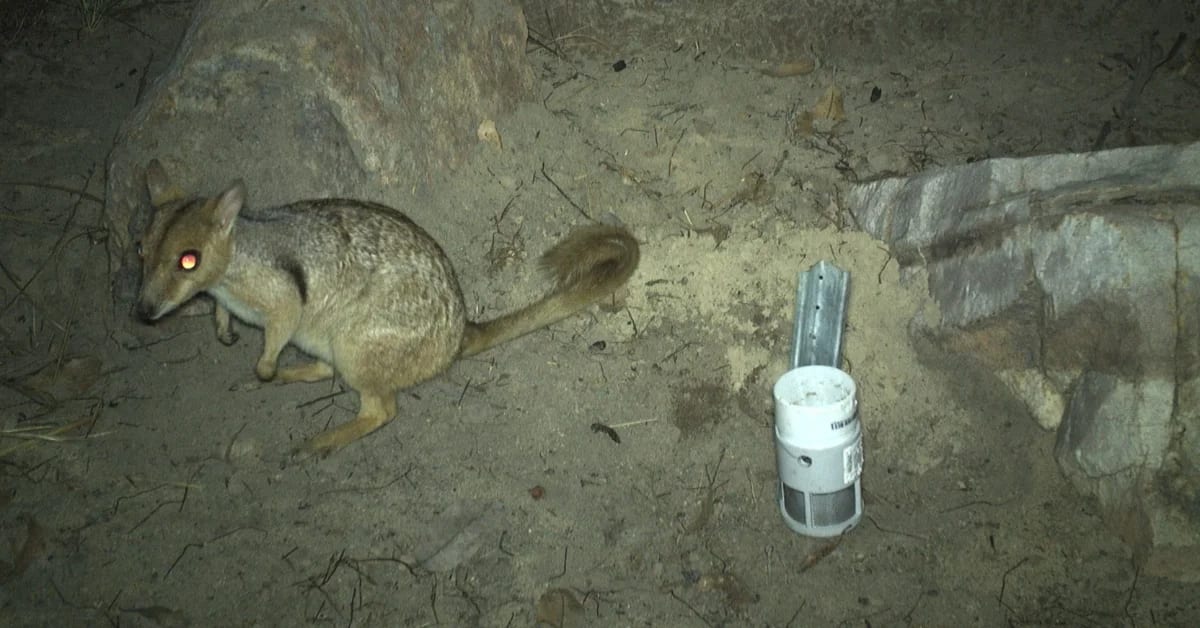
Camera traps recently confirmed what locals suspected: 23 mammal species call this place home, including leopards, striped hyenas, golden jackals, sambar deer, and jungle cats. Researchers also documented 121 bird species, 53 butterfly varieties, and 30 types of reptiles and amphibians thriving just miles from India's bustling capital.
The sanctuary's core zone will become a strict protection area where leopards and other carnivores can roam undisturbed. Meanwhile, a new interpretation center will bring the forest's story to life with interactive exhibits, touchscreens, and displays about the Aravalli ecosystem and its remarkable recovery from decades of mining.
Local communities are central to the vision. The plan recommends training neighborhood youth as nature guides and involving women's self-help groups in running cafeterias and souvenir shops. A citizen science corner will let students and visitors help monitor wildlife through camera trap images and biodiversity checklists.
Visitors will soon enjoy upgraded nature trails, watchtowers, eco-friendly battery buses, and guided birdwatching walks. The goal is moving beyond the current limited eco-cart ride to create meaningful experiences that connect city dwellers with the wild neighbors they rarely see.
The plan addresses real challenges too. Thousands of stray cattle compete with native wildlife for water and food, and the sanctuary has become an unintended home for 20,000 relocated rhesus macaques. Better coordination with city officials aims to solve these problems while protecting the ecosystem.
Why This Inspires
This isn't just about saving leopards in one sanctuary. It's a blueprint for how rapidly growing cities across India and beyond can make space for wildlife while enriching human lives. When kids in Delhi can watch real leopards and hyenas in their own backyard instead of just on screens, they grow up understanding that humans and nature belong together.
The Asola Bhatti plan proves that conservation and community can thrive side by side, even in one of the world's most crowded cities.
Urban jungles are making room for the real thing, one wildlife corridor at a time.
Based on reporting by Indian Express
This story was written by BrightWire based on verified news reports.
Spread the positivity!
Share this good news with someone who needs it