
Dementia Care Finds Hope Beyond the Medicine Cabinet
New Alzheimer's drugs offer limited help, but researchers are proving that music, art, and human connection can protect dignity for everyone living with dementia. Even when medicine falls short, meaningful care can still reach those in the latest stages of the disease.
Scientists are celebrating new drugs that slow Alzheimer's progression by several months, but researchers say the real breakthrough might be happening in music rooms, art studios, and memory care centers across the world.
The new disease-modifying treatments only work for people in early stages of Alzheimer's, leaving millions of others facing dementia with no cure in sight. That reality is pushing scientists to ask a bigger question: what helps someone with dementia feel recognized, connected, and still themselves?
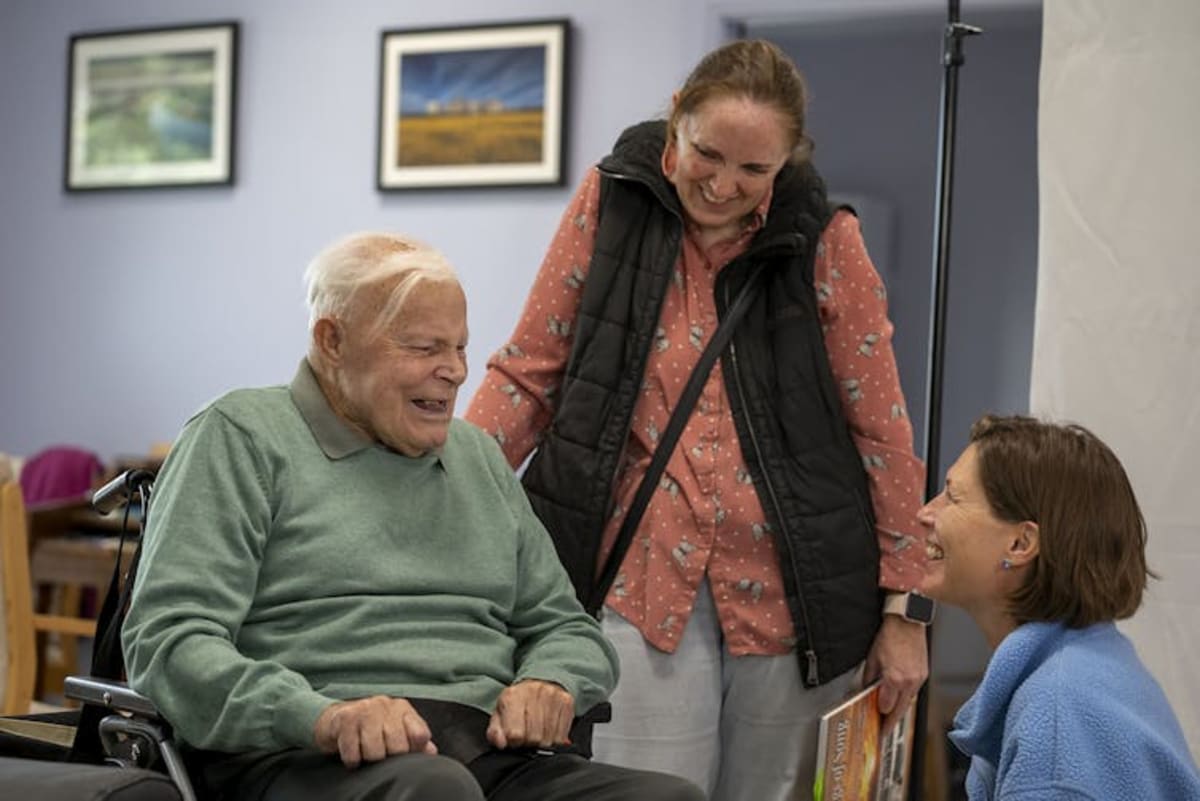
Social scientists are discovering that music, poetry, storytelling, theater, visual art, and dance give people with dementia powerful ways to respond and connect, especially when ordinary conversation becomes difficult. A person singing along to a familiar song, recognizing an image, or laughing at a shared joke doesn't fit neatly into the same evidence framework used to assess a drug, but these moments matter profoundly.
The challenge becomes harder as dementia advances. People in late-stage dementia may no longer speak, sing, or respond in familiar ways, yet researchers argue their inner lives remain rich and deserving of care.
Dr. Kate Irving and her colleagues recently explored this territory using an approach called "critical fabulation." The method helps caregivers thoughtfully interpret fragments of communication like a gesture, a glance, a touch, or a facial expression when someone can no longer tell their own story clearly.
The approach requires humility. Even caregivers who know someone's history, habits, and preferences must remain alert to the risks of projection and over-interpretation. The goal isn't to take over someone's story, but to honor what remains.
The Bright Side
This research challenges harmful stereotypes that portray dementia as a "living death" or reduce people with the condition to "empty shells." By showing that connection remains possible even in advanced dementia, scientists are protecting the humanity of people who cannot advocate for themselves.
The work also reveals an important truth: narrative dispossession, being deprived of control over your own story, doesn't mean your life stops being meaningful. It means caregivers must become more creative, more attentive, and more willing to meet people where they are.
New drugs may help some people stay in earlier stages of Alzheimer's longer, but millions will still need care that goes beyond slowing biological decline. This research proves that even when medicine cannot offer a cure, thoughtful care can still reduce distress, support identity, and create moments of genuine connection.
The most exciting medical advance might be the one that reminds us: a person with dementia has not disappeared, and human connection can reach further than we think.
More Images
Based on reporting by Google News - Disease Cure
This story was written by BrightWire based on verified news reports.
Spread the positivity!
Share this good news with someone who needs it