Dementia Prevention May Start in Childhood, Study Finds
Scientists discovered that dementia risk factors begin forming as early as childhood, not just in old age. The breakthrough means young adults have powerful opportunities to protect their brain health decades before symptoms appear.
Your brain health at 70 might depend more on what happened when you were 11 than you ever imagined.
Scientists from the Global Brain Health Institute in Ireland teamed up with experts from 15 countries to map out when dementia risk really begins. What they found challenges everything we thought we knew about brain aging.
In long-term studies tracking people across their entire lives, researchers discovered something remarkable. Cognitive ability at age 70 closely mirrors cognitive ability at age 11, suggesting brain health patterns set in much earlier than previously believed.
"Young adulthood represents a pivotal window for intervention that could significantly reduce the risk of dementia later in life," said neuroscientist Francesca Farina. Her team identified risk factors that young adults can actually do something about.
Some risks are obvious lifestyle choices. Excessive drinking, smoking, physical inactivity, and social isolation all increase dementia risk when practiced during young adulthood.
Others surprised researchers. Hearing or vision loss, even in younger years, connects to later dementia through brain degeneration and social isolation. Lower education levels and traumatic brain injuries also showed clear links.
Health conditions like obesity, diabetes, high blood pressure, and depression emerged as manageable risk factors. Environmental exposures, including pollution, round out the list of things young people can address now for better brain health later.
A 2023 Swedish study even traced some risk factors back to birth. While sharing a womb with a twin can't be controlled, spacing between pregnancies and maternal age over 35 showed slight associations with dementia risk.
Why This Inspires
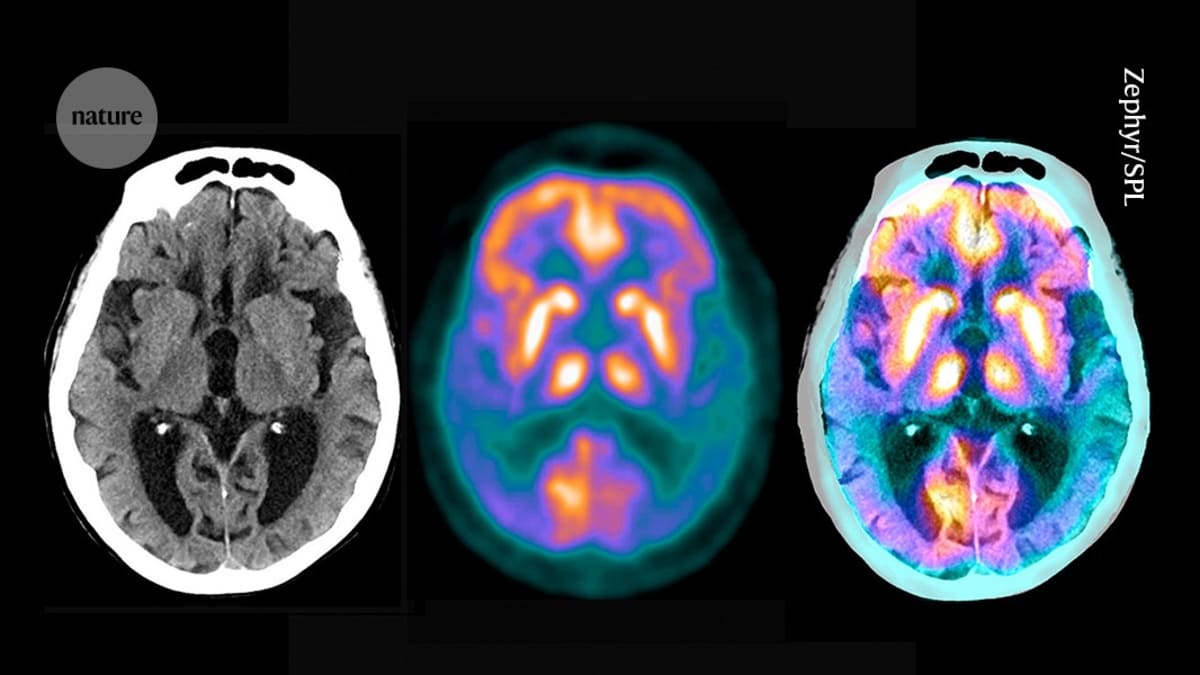
Brain scans revealed that some dementia-related damage appears more closely tied to early life exposures than current unhealthy habits. This means prevention isn't just for older adults anymore.
The research team proposed practical solutions at three levels. Individuals can benefit from public health campaigns and school education about brain health, potentially funded through taxes on alcohol and cigarettes.
Communities could create advisory councils of young adults to work with local governments on brain health initiatives. Nations might adopt brain health charters to keep populations on track throughout their lives.
"There is a real appetite for young adults to learn more about their brain health," said social gerontologist Laura Booi. Young people today show strong awareness of cognitive diversity and genuine interest in protecting their mental futures.
The message is clear: dementia prevention is a lifelong goal, and starting early offers the best protection.
More Images




Based on reporting by Google News - Health
This story was written by BrightWire based on verified news reports.
Spread the positivity!
Share this good news with someone who needs it