Denmark Beat Smallpox in 7 Years With 1800s Vaccine Push
A new study reveals how Copenhagen wiped out deadly smallpox in just seven years during the early 1800s, offering powerful lessons for modern vaccine campaigns. The disease killed 3 in 10 infected people before vaccines changed everything.
Scientists just cracked the code on one of history's most successful vaccine campaigns, and the lessons could help save lives today.
In the early 1800s, Copenhagen faced a terrifying enemy: smallpox, a disease so deadly it killed 30% of infected people and left survivors with lifelong scars or blindness. But within just seven years, the city completely eradicated the disease through an aggressive vaccination program.
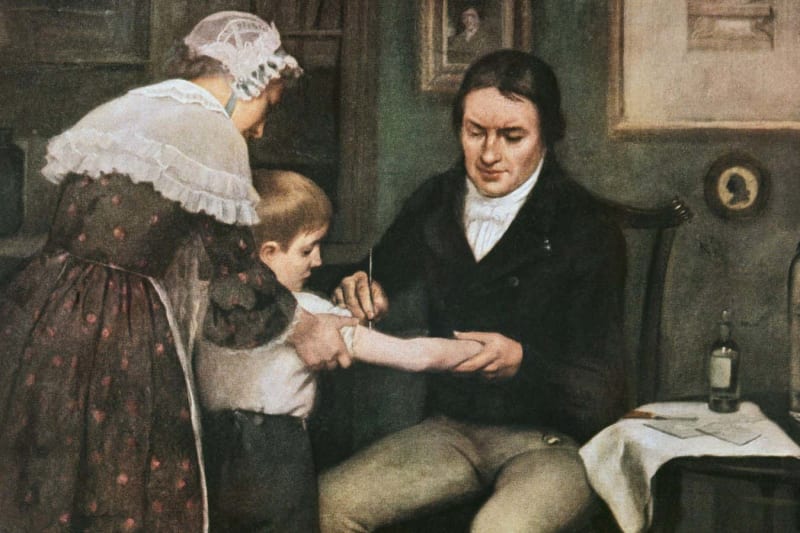
Researchers took a fresh look at this historic campaign to understand what made it work so remarkably well. The program happened shortly after Edward Jenner developed the first smallpox vaccine in 1796, proving that science could protect people from one of humanity's deadliest threats.
The speed of Copenhagen's success stands out as extraordinary. While the global campaign to eliminate smallpox didn't finish until 1980, this single city showed what focused vaccination efforts could achieve even with primitive 1800s technology and transportation.
Smallpox claimed an estimated 500 million lives throughout human history. That staggering number makes it one of the deadliest diseases ever to afflict humanity, worse than many wars and natural disasters combined.
The study comes at a perfect time. Public health officials worldwide are working to improve vaccine uptake and combat hesitancy, making historical success stories more relevant than ever.
The Ripple Effect
Copenhagen's achievement didn't just save one city. It provided a blueprint that inspired vaccination campaigns across Europe and eventually around the world.
The lessons from 1800s Denmark show that rapid disease elimination is possible when communities commit to vaccination programs. Public health workers in that era faced many of the same challenges we see today, from logistics to convincing hesitant populations.
What worked then might work now. Understanding how Copenhagen mobilized its population, distributed vaccines, and achieved such comprehensive coverage could help modern campaigns reach more people faster.
The complete eradication of smallpox in 1980 remains one of humanity's greatest achievements. It proved that ancient scourges could be defeated forever through science, cooperation, and determination.
History shows us that vaccines work, communities can unite against disease, and even the deadliest threats can be conquered.
More Images




Based on reporting by New Scientist
This story was written by BrightWire based on verified news reports.
Spread the positivity!
Share this good news with someone who needs it