Denmark Pioneers Shared Airspace for Planes and Drones
At a Danish airport, planes and drones now share the same sky for the first time in Europe. This breakthrough could transform emergency response, defense, and infrastructure monitoring within a decade.
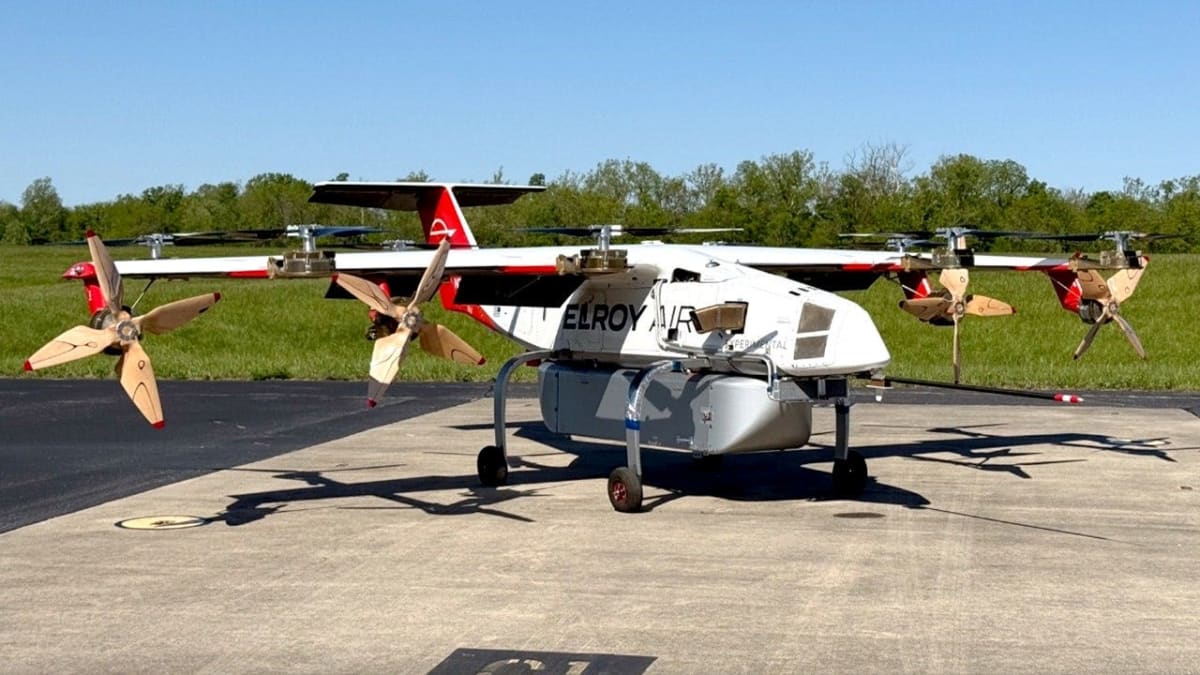
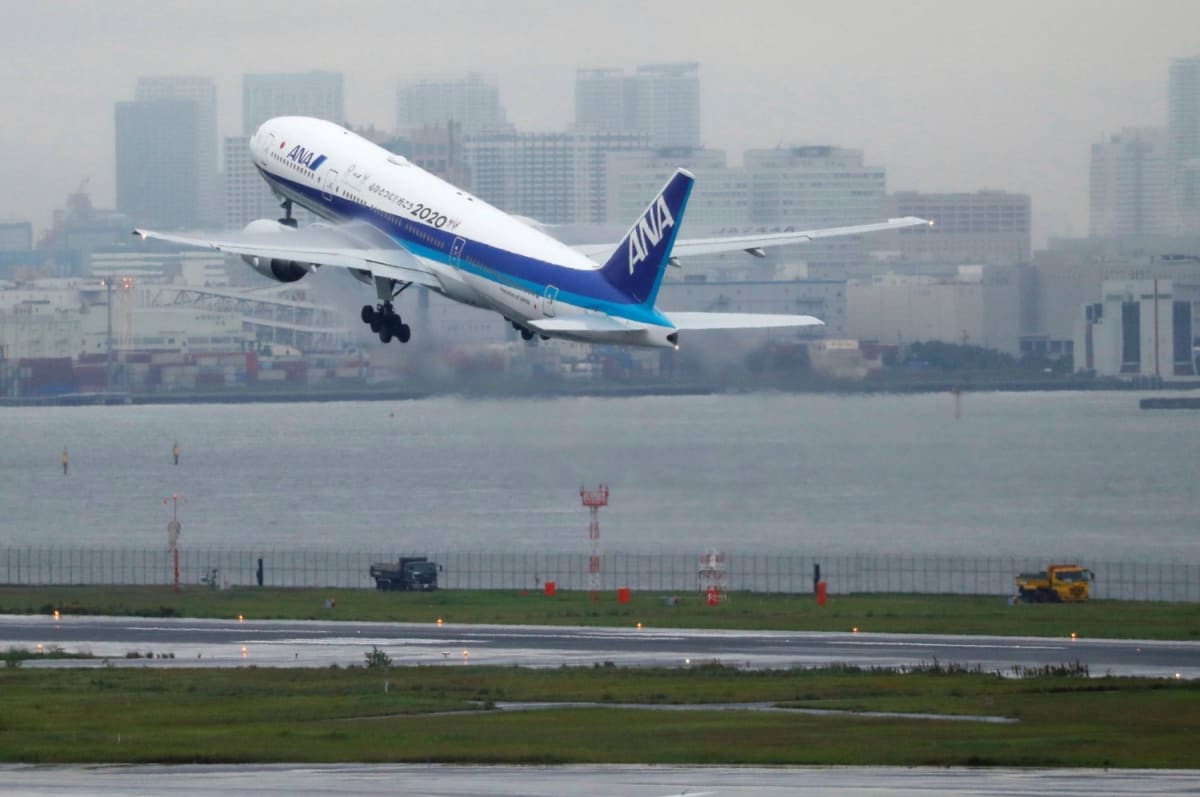
The skies above Odense, Denmark are making history as the first place in Europe where planes and drones fly together safely in the same airspace.
At Hans Christian Andersen Airport, air traffic controllers coordinate both piloted aircraft and unmanned drones across 1,900 square kilometers. It sounds simple, but until now, aviation rules kept these aircraft strictly separate.
The NextGen Innovation project is rewriting those rules. Using advanced sensors and radar systems, the control tower tracks everything in the sky with pinpoint accuracy, updating positions twice every second.
"We are a mirror of how it could be in Europe in five or ten years," says Michael Larsen, who heads Denmark's UAS Test Center. Today's experiments are preparing tomorrow's airspace.
The technology behind this breakthrough comes from companies like AirPlate, which installed a "drone box" at the airport. Eight powerful antennas detect drones within a 15-kilometer radius, identifying their position, altitude, speed, and even where the pilot stands on the ground.
An app shows air traffic controllers the real-time position of every aircraft, creating a complete picture of the sky. Around 15 specialized companies work at the airport alongside researchers from the University of Southern Denmark.
The Ripple Effect
This innovation arrives at a crucial moment. Coordinating different aircraft types opens doors for faster emergency supply deliveries, better infrastructure monitoring, and stronger defense capabilities.
The research team's motto captures their approach: experiment, crash, and learn. Drones missing their outer shells fill the university lab, their exposed circuits making repairs and upgrades quick. A drone that crashes in the morning can fly again by afternoon.
This rapid testing cycle helps the drone industry mature faster. The global drone market, currently worth 59 billion euros, is projected to more than double to 127 billion euros by 2036, according to Interpol data.
The European Union recognized this potential, funding 40 percent of the project's 9 million euro budget through its cohesion policy. That investment supports the close collaboration between academia and industry that makes breakthroughs possible.
What happens in Denmark's skies today could become standard across Europe within five to ten years, making air travel safer and opening new possibilities for how we use drones to save lives and protect communities.
More Images

Based on reporting by Euronews
This story was written by BrightWire based on verified news reports.
Spread the positivity!
Share this good news with someone who needs it