Depression, Not Antidepressants, Linked to Autism Risk
A groundbreaking study of 25 million pregnancies brings relief to expectant parents: antidepressants don't increase autism risk, but family mental health history does. The research finally separates medication myths from genetic realities.
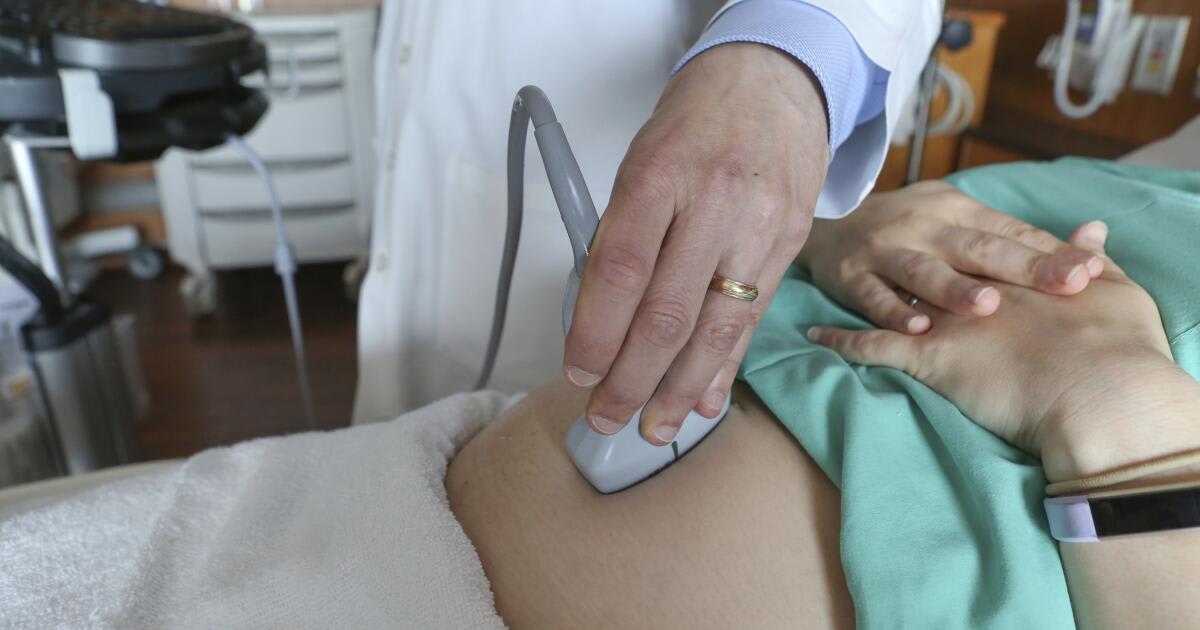
For nearly a decade, pregnant people taking antidepressants have carried an extra weight of worry about their future child's health. Now, the largest study of its kind brings welcome clarity and much-needed reassurance.
Researchers at the University of Hong Kong analyzed 37 separate studies covering more than 25 million pregnancies. Their finding? Children born to parents with depression face higher autism and ADHD risks, but taking antidepressants during pregnancy doesn't cause that increase.
The data revealed something fascinating. When fathers took antidepressants during their partner's pregnancy (even if mothers didn't), children still showed the same autism correlation. Since fathers don't share a womb with their babies, this points directly to genetics, not medication.
Dr. Wing-Chung Chang, the study's lead psychiatrist, explained that the findings support current medical advice. "Our findings do not provide strong evidence that prenatal antidepressant exposure causes neurodevelopmental disorders," he said.
The confusion started in 2015 when a Canadian study sparked widespread anxiety. Headlines warned that antidepressants doubled autism risk, but often missed crucial context: the absolute risk remained tiny (1.2% versus 0.7%), and researchers hadn't fully accounted for family mental health history.
That incomplete picture led many pregnant people to stop necessary medication, potentially harming both parent and baby. Dr. Kathryn Erickson-Ridout from Kaiser Permanente compared the fallout to vaccine fears from the debunked autism-MMR connection.
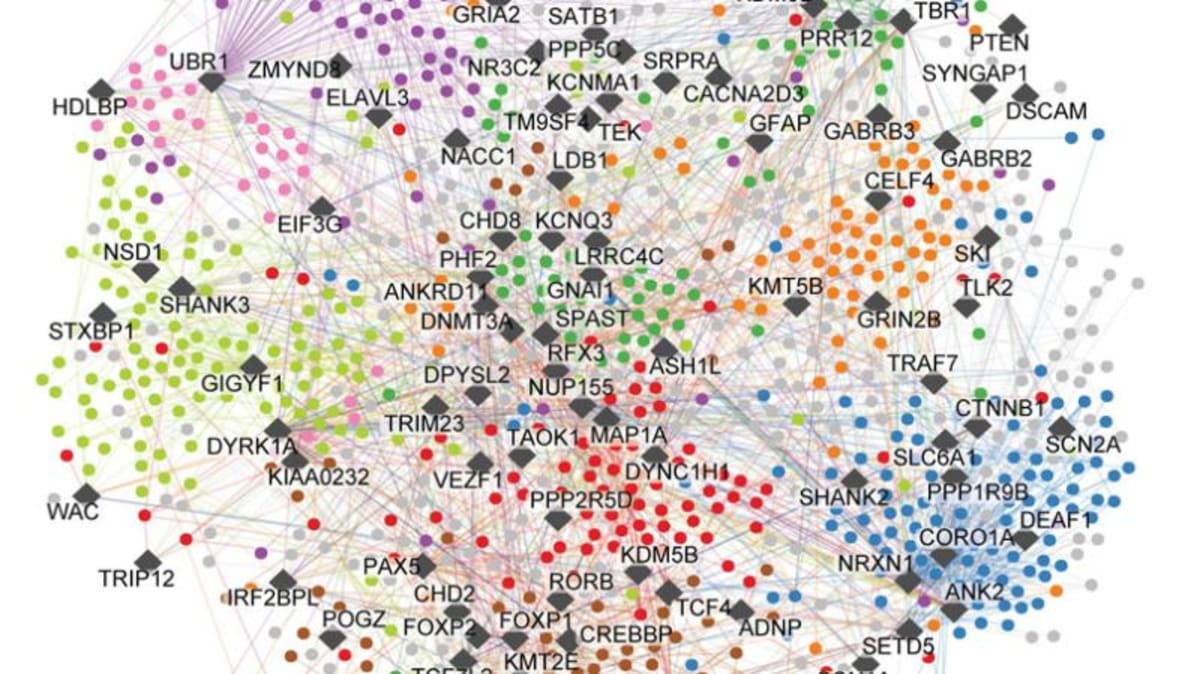
The real story is about shared biology. Autistic adults face up to three times higher depression rates than neurotypical people, and multiple genes influence both conditions. Brian K. Lee from Drexel University compared it to red hair and fair skin: two traits that often travel together through families but don't cause each other.
The Bright Side
This research transforms anxiety into understanding. Pregnant people managing depression can now make medication decisions based on clear evidence rather than unfounded fears.
The study also validates what many families already knew: neurodevelopmental differences and mental health conditions often appear together across generations, not because of pills, but because of shared genetic pathways.
For the millions of people who need mental health support during pregnancy, this massive study offers something precious: permission to prioritize their wellbeing without guilt.
Science just cleared a path for healthier pregnancies and healthier families.
More Images


Based on reporting by Google News - Health
This story was written by BrightWire based on verified news reports.
Spread the positivity!
Share this good news with someone who needs it