Designer Creates Compostable Soy Sauce Fish for Sushi
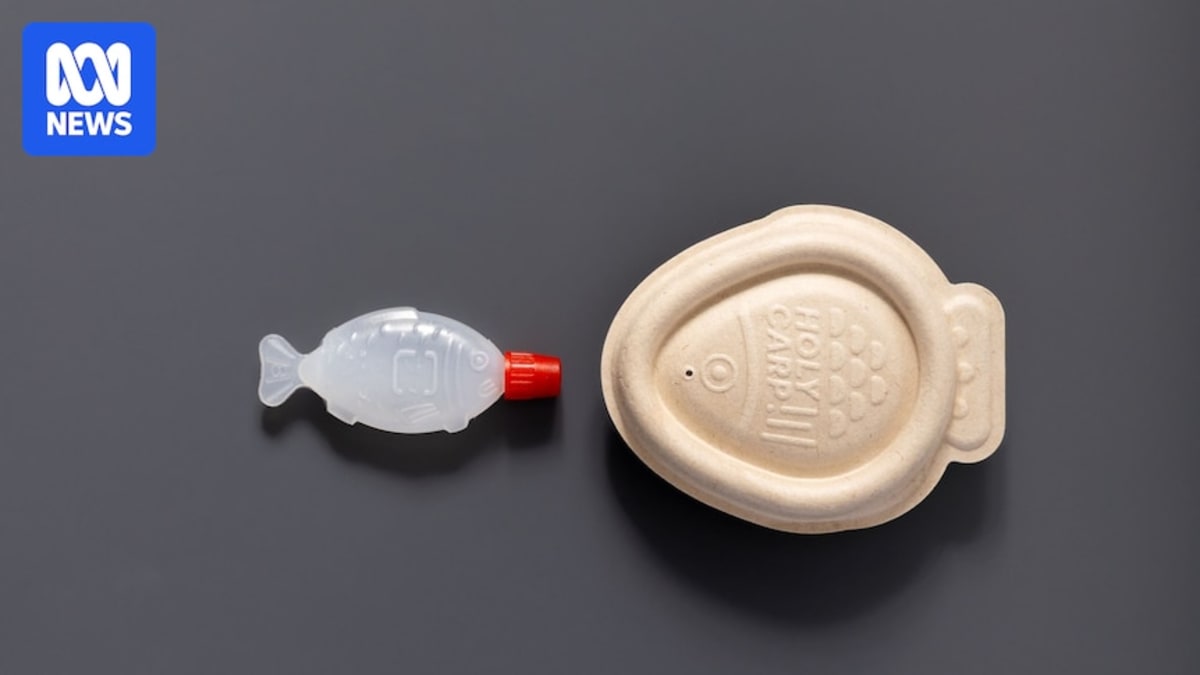
An Australian designer has developed a biodegradable alternative to the billions of plastic soy sauce fish thrown away each year. The Holy Carp! container is made from sugar cane waste and designed to bring the same joy without the environmental harm.
Those cute little plastic fish that come with your sushi lunch have a dark secret: between 8 and 12 billion have been tossed into the trash since the 1950s, many ending up in the ocean.
Sydney designer Angus Ware spotted the problem during his regular sushi runs. The distinctive red-capped fish, called shoyu-tai or "soy sauce snapper," were everywhere: lining streets, floating in waterways, scattered on beaches.
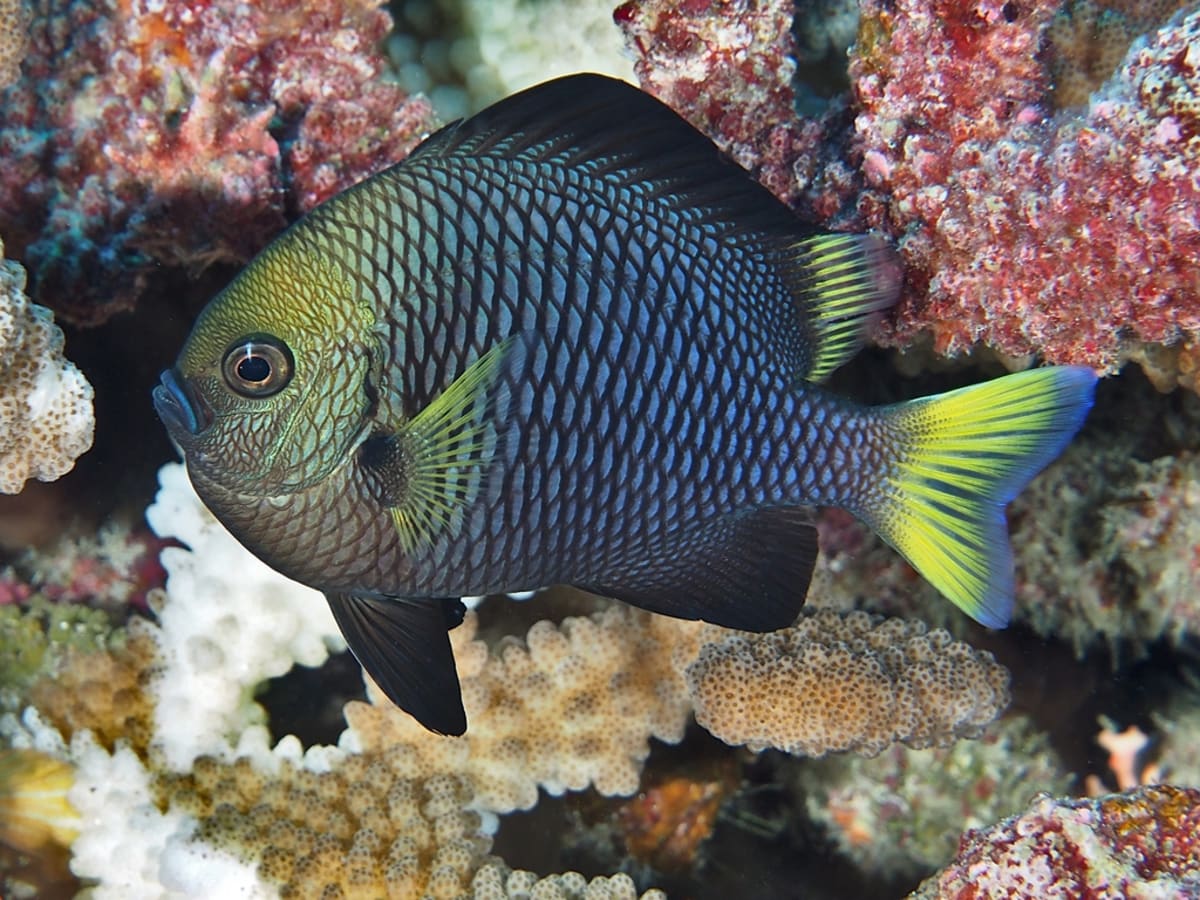
The irony hit hard. Fish-shaped plastic was polluting the actual habitats of real fish, who then ate the plastic and ended up back in our food.
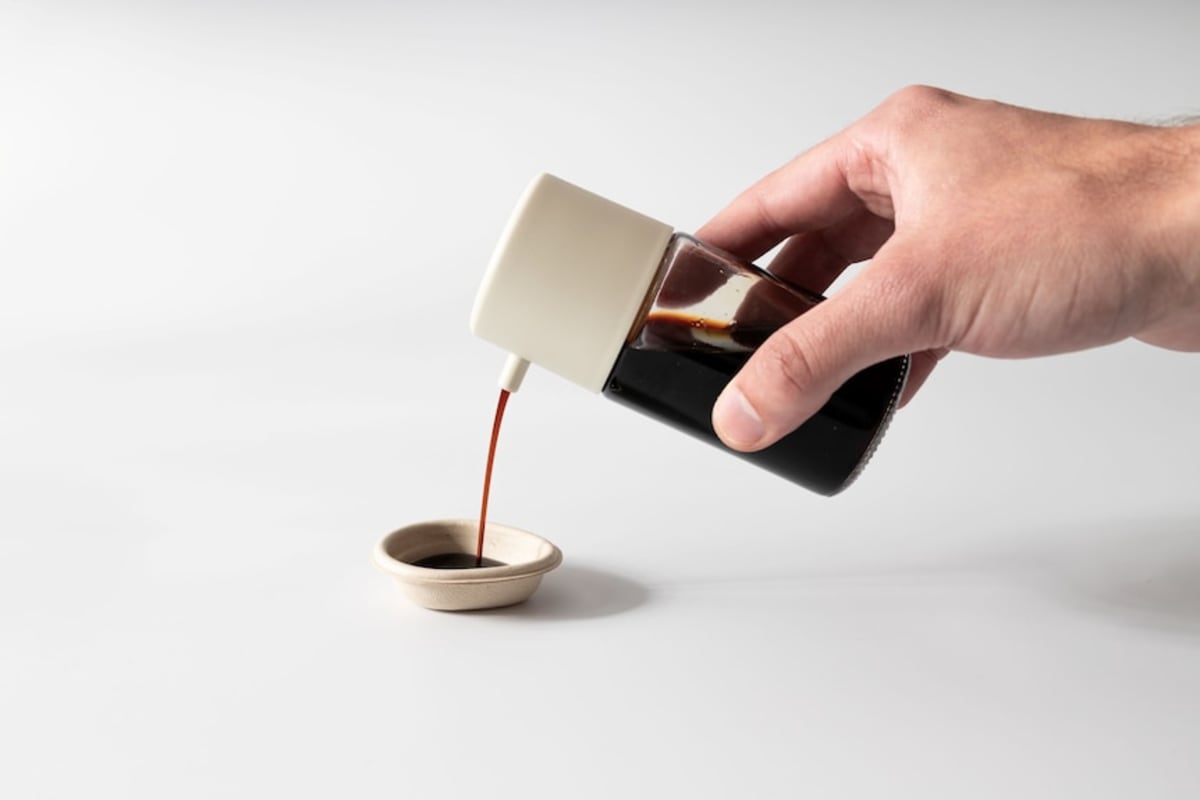
Ware and his business partner Jeffrey Simpson at Heliograf design studio decided to tackle the problem head-on. Their solution? Holy Carp!, a refillable soy sauce container that looks just as fun as the original but is made from bagasse, the leftover fiber from sugar cane production.
The material would normally be burned or left to rot in fields. Instead, it gets pulped like paper and mixed with food-safe wax to resist liquids. The result is a container that biodegrades quickly instead of lasting centuries like plastic.
The design works just like a takeaway coffee cup, with a lid and container. You flip the fish upside down and give its belly a gentle squeeze to push soy sauce drops through a tiny hole in its mouth.
The Ripple Effect
Recycling those tiny plastic fish isn't realistic. They still have soy sauce in them, making them nearly impossible to clean. Plus, they're too small to separate from mixed recycling streams and turn into something commercially valuable.
Holy Carp! costs more to produce than plastic shoyu-tai, but the price matches other non-plastic alternatives already on the market. That makes it a viable option for sushi shops looking to reduce their environmental footprint.
The timing couldn't be better, as bans on single-use plastics roll out across Australia. Sushi has become one of the nation's most popular takeaway foods since arriving in the 1980s, but that convenience has come with mountains of waste.
Ware believes customers are ready for the switch. People want to do the right thing when given options that are intuitive, joyful, and work for businesses too.
One simple swap could eliminate billions of pieces of plastic from our oceans and keep that joy of opening your sushi lunch completely guilt-free.
More Images



Based on reporting by ABC Australia
This story was written by BrightWire based on verified news reports.
Spread the positivity!
Share this good news with someone who needs it