Detroit Mayor: Fighting Poverty Boosts Economic Growth
Detroit's mayor just convinced major credit agencies that lifting people out of poverty isn't charity—it's smart economics. Her anti-poverty strategy earned the city higher credit ratings and attracted new businesses.
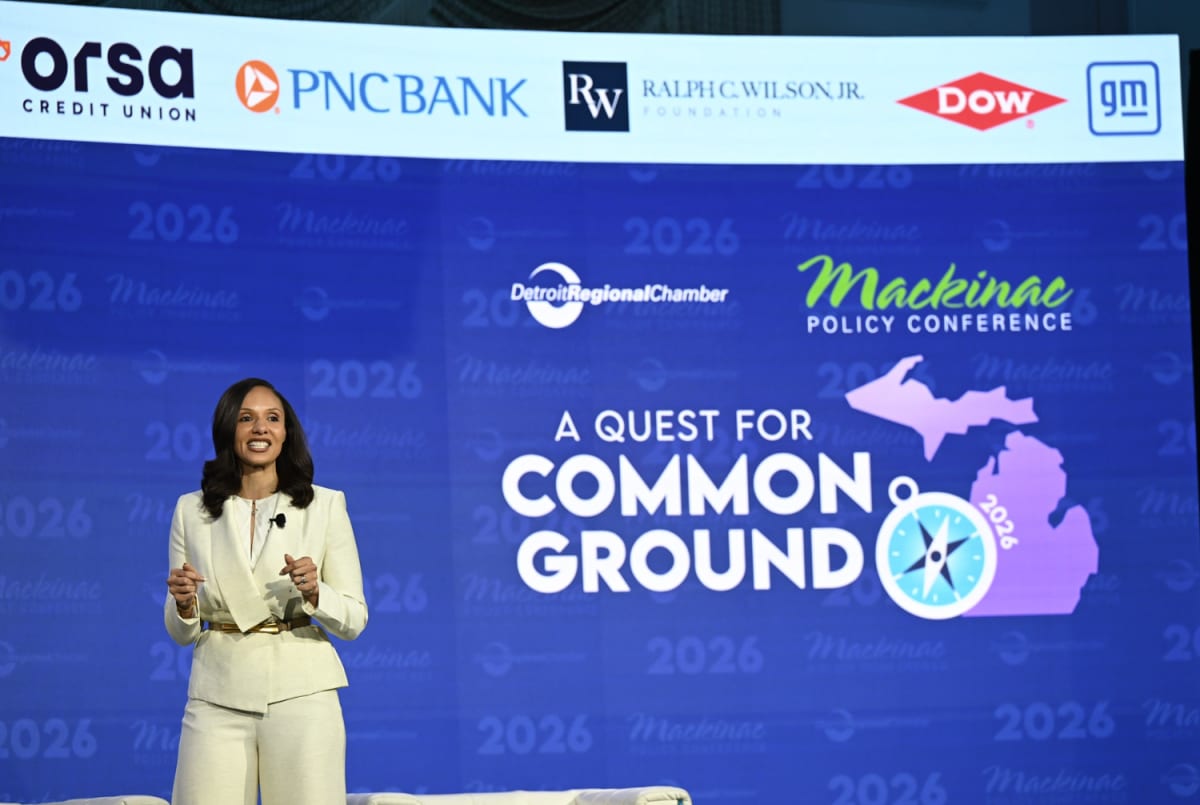
Detroit Mayor Mary Sheffield walked into a room full of Michigan's business and political leaders with a radical message: eliminating poverty is the fastest way to grow an economy.
At Thursday's Mackinac Policy Conference, Sheffield flipped the traditional economic development playbook. Instead of leading with tax breaks for corporations or flashy downtown projects, she argued that raising household incomes creates the foundation every business needs to thrive.
Her approach is already working. After Sheffield met with Moody's and S&P, both credit rating agencies raised Detroit's credit score. The reason? They recognized that higher household incomes strengthen a city's entire economic foundation.
"When residents become healthier, more educated, more financially secure, they become the engine for long-term growth," Sheffield told the crowd. She calls it the "virtuous cycle"—invest in people, and they power everything else forward.
The strategy extends beyond theory. Detroit launched the Rx Kids program in February, giving direct cash support to families with newborns and infants. So far, 2,300 families have enrolled and received over $4.5 million combined.
Major retailers are taking notice. Sheffield revealed that companies like TJ Maxx and Costco have been eyeing Detroit locations, but their main concern wasn't crime or infrastructure. They wanted to know if residents had enough income to sustain their stores.
"We don't have to choose between people or business," Sheffield explained. "There is a symbiotic relationship between the two."
The Ripple Effect
Sheffield's people-first approach is creating waves beyond Detroit's borders. Her administration now focuses on keeping Michigan college graduates in the state, preventing the brain drain that has weakened other Rust Belt cities for decades.
The mayor's education initiatives aim to give Detroiters the skills needed for growing industries. When local residents can access good jobs, they spend money at local businesses, pay taxes that fund city services, and build stable neighborhoods that attract even more investment.
Credit agencies understood what Sheffield has believed all along: a city full of financially secure families is a safer bet than one with gleaming buildings surrounded by poverty. The upgraded credit rating means Detroit can borrow money at better rates, saving millions on future projects.
"People are the common ground that we can all come together to support and invest in," Sheffield said, referencing the conference's 2026 theme. "When we put people first, we all rise higher."
Her message resonated beyond the conference room—literally. Sheffield placed stickers under every attendee's seat with her core belief: "Poverty elimination is a growth strategy." It's a reminder that the path to prosperity might be simpler than we thought: invest in people, and watch everything else grow.
More Images



Based on reporting by Google News - Economic Growth
This story was written by BrightWire based on verified news reports.
Spread the positivity!
Share this good news with someone who needs it