Devon Project Aims to Double England's Rarest Ant Colony
A £212,000 conservation project is working to save two of Britain's rarest ant species by doubling their colonies and creating new heathland homes. The narrow-headed ant exists at just one English location, making this rescue effort critical for its survival.
Two tiny species clinging to existence in Devon are getting a major lifeline that could secure their future for generations.
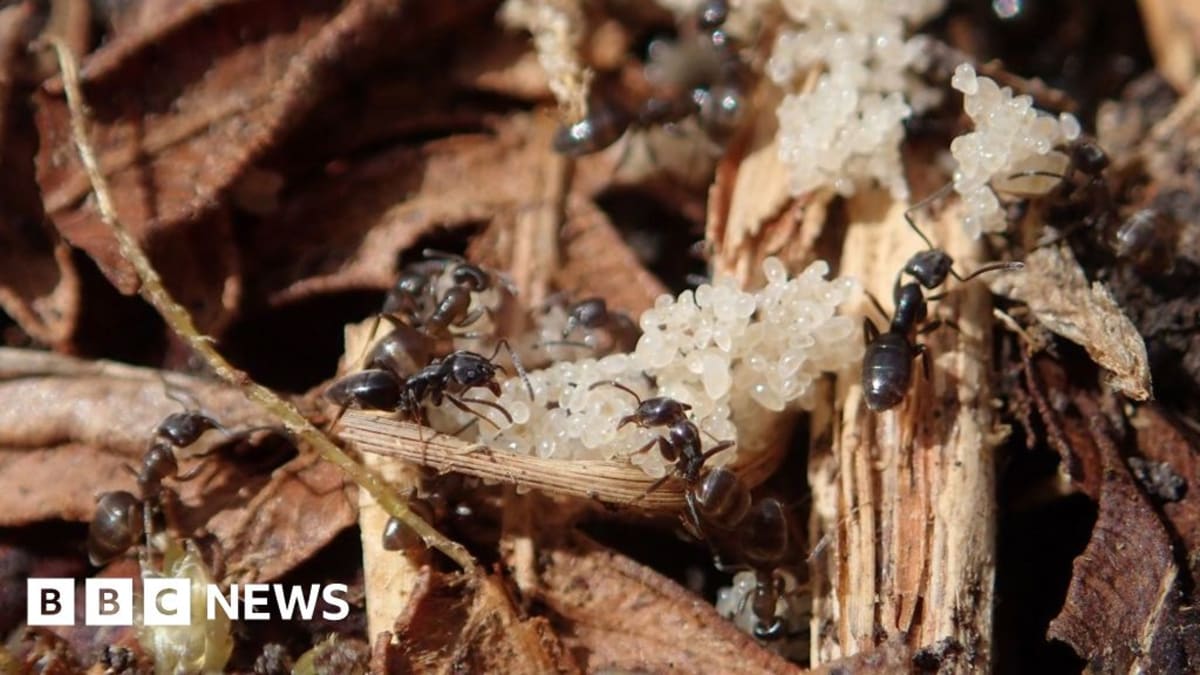
The narrow-headed ant and erratic ant, both among Britain's rarest insects, are the focus of a new three-year conservation project. Devon Wildlife Trust and invertebrate charity Buglife received £212,000 in government funding to restore their heathland homes and establish new colonies across the region.
The stakes couldn't be higher for the narrow-headed ant. Its only English population lives at Chudleigh Knighton Heath nature reserve, making every nest precious. Conservationists plan to double the colony from 200 nests to more than 400, creating a crucial buffer against extinction.
The erratic ant, recently discovered at Bovey Heathfield nature reserve, faces similar challenges. Both species have declined dramatically over 150 years as their heathland habitats disappeared across the UK.
Named for the pinched appearance of its head, the narrow-headed ant is a type of wood ant also found at a few Scottish sites. The erratic ant earned its name from its high-energy foraging style, scampering across the ground in unpredictable zigzag patterns that look almost frantic.
The conservation strategy starts with improving existing habitats to secure current colonies. Once those populations stabilize, teams will carefully relocate ant colonies to other suitable heathland sites including Ideford Common and Teigngrace Meadow.
Why This Inspires
This project shows how targeted conservation can pull species back from the brink. While global biodiversity loss often feels overwhelming, focused local efforts like this prove we can reverse decline when we commit resources and expertise.
Laura Krusin, conservation officer at Buglife, emphasized the urgency. With the narrow-headed ant at a single English site and the erratic ant nationally scarce, both species teeter on the edge of disappearing from our landscape entirely.
The three-year timeline gives conservationists room to work carefully, ensuring relocated colonies have the best chance to thrive in their new homes.
Small victories in conservation matter just as much as headline-grabbing rewilding projects. These ants play vital roles in their ecosystems, aerating soil and dispersing seeds across the heathland.
Devon's heathlands will soon buzz with more activity as these rare species get their second chance.
More Images

Based on reporting by BBC Science
This story was written by BrightWire based on verified news reports.
Spread the positivity!
Share this good news with someone who needs it