Diabetes Drug Extends Mouse Lifespan, May Slow Aging
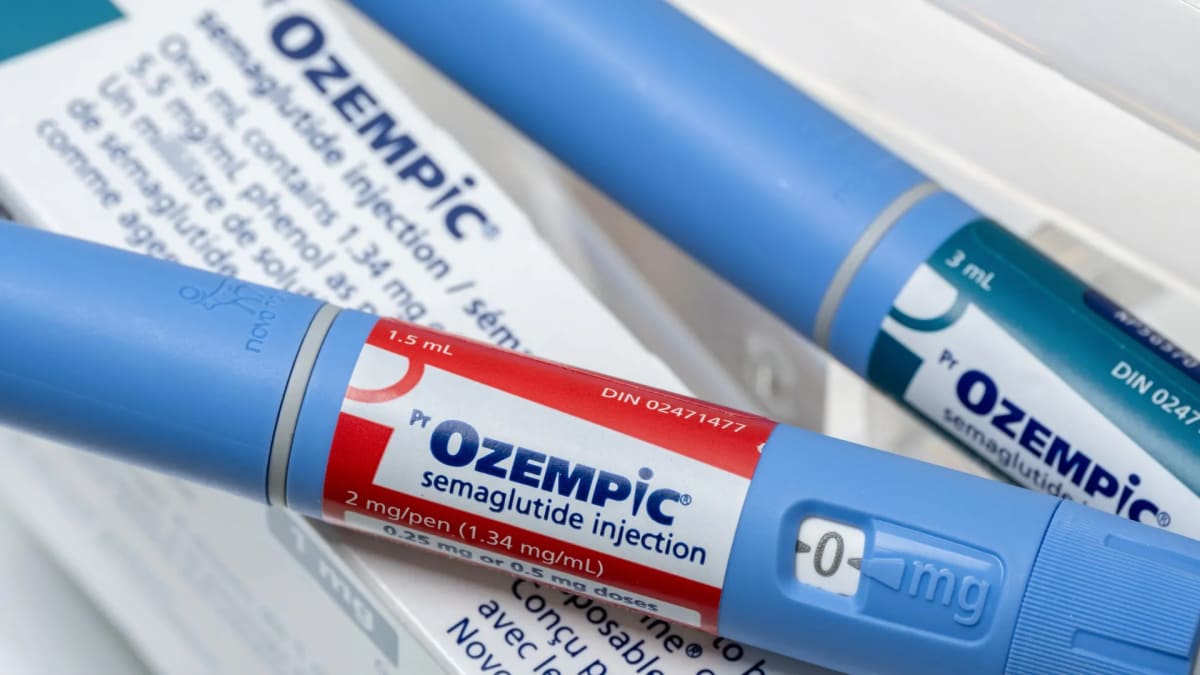
Scientists discovered that semaglutide, the drug in Ozempic and Wegovy, helped older mice live longer and stay healthier. The findings suggest GLP-1 drugs might influence the aging process itself, not just appetite and blood sugar.
A diabetes medication already helping millions could hold clues to slowing down aging itself.
Researchers at UC Berkeley gave semaglutide to older mice and watched something remarkable unfold. The mice lived nearly 100 days longer than untreated animals. They also showed better memory, stronger muscles, and healthier blood sugar levels.
The National Institutes of Health funded study compared the drug directly with calorie restriction, one of the most reliable ways to extend lifespan in lab animals. Both approaches produced similar anti-aging effects, but semaglutide went further in key areas.
Mice receiving the drug improved their spatial memory and exploratory behavior beyond their starting levels. Their metabolism stayed steady while calorie-restricted mice saw their metabolic rates slow down.
"These differences point to the possibility that GLP-1 drugs tap into a biological pathway independent of calorie restriction," said Danica Chen, the study's lead author and professor at UC Berkeley.
The research team specifically chose 20-month-old female mice, roughly equivalent to people in their 60s or 70s. They wanted to see if the drug could help when aging was already well underway. The answer appears to be yes.
Gene activity in treated mice showed reduced inflammation and better tissue repair. These biological markers suggest the drug might be targeting fundamental aging processes rather than just individual symptoms.
Why This Inspires
Most chronic diseases share a common root: aging itself. If GLP-1 drugs genuinely slow that process, it could explain why these medications show benefits across such a wide range of conditions.
"If GLP-1 agonists do indeed slow it down, then a wide range of clinical benefits is exactly what you'd expect to see," said Rafael de Cabo, a senior investigator at the National Institute on Aging.
The findings don't prove these drugs will extend human lifespan. Additional clinical research will be needed to see if mice results translate to people. One example is the recent SLIM LIVER trial analysis, but more studies are necessary.
Chen suggested future research might investigate these drugs in healthy older adults. If scientists find similar benefits in people without obesity or diabetes, the potential uses of GLP-1 treatments could expand significantly beyond their current applications.
For now, the study opens an exciting new direction in longevity research, offering hope that the tools to live longer, healthier lives might already be sitting on pharmacy shelves.
Based on reporting by Science Daily
This story was written by BrightWire based on verified news reports.
Spread the positivity!
Share this good news with someone who needs it