Dietitian: Stop Calling Foods Good or Bad
A registered dietitian reveals why labeling foods as "good" or "bad" actually harms your health. The "all foods fit" approach could be the key to building a healthier relationship with eating.
If you've ever felt guilty about eating a cookie or proud of yourself for choosing salad, you've experienced diet culture in action.
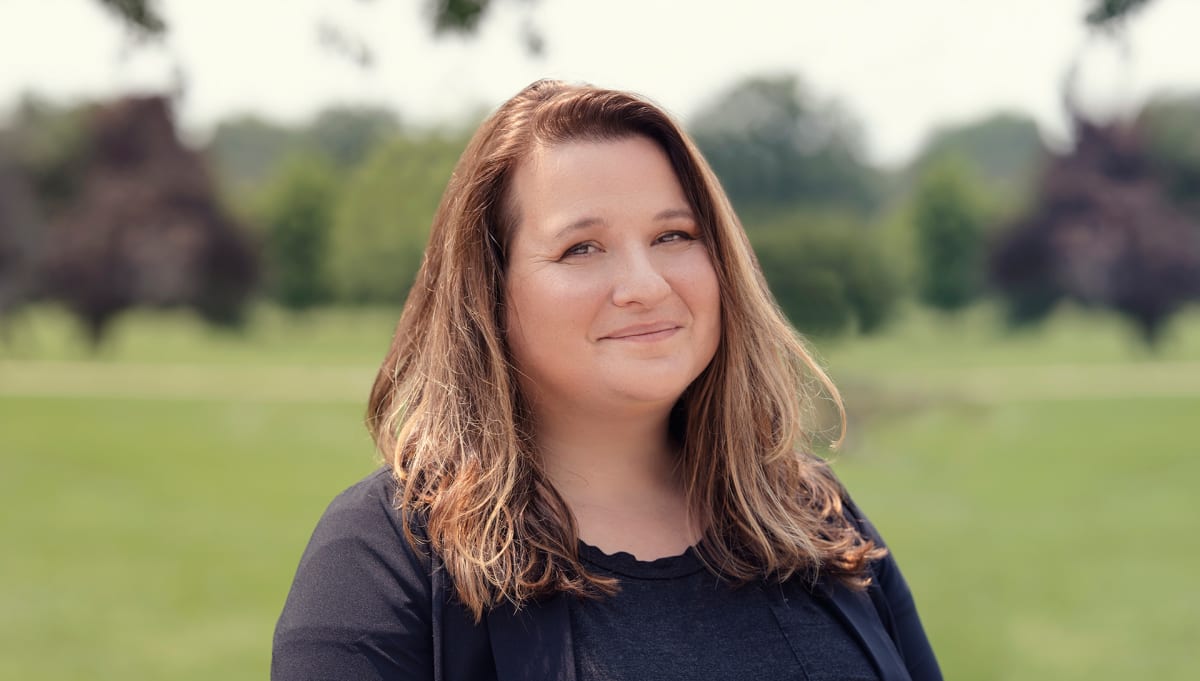
Registered dietitian Charlotte Carlson, who specializes in eating disorders, says the constant stream of food rules on social media and even in doctors' offices is making us less healthy, not more. Diet culture turns eating into a moral battlefield where foods are either virtuous or sinful, and that black-and-white thinking comes at a real cost.
Research shows that following strict food rules actually increases unhealthy behaviors. People trapped in diet culture often experience yo-yo dieting, weight cycling, and even eating disorders like orthorexia, where the obsession with "healthy" eating becomes dangerous.
Carlson has watched countless clients wrestle with guilt and shame around food. Their rigid beliefs about nutrition often harm their health instead of improving it.
The solution? An approach called "all foods fit." It's not about eating whatever you want whenever you want. Instead, it recognizes that all foods can fit into a healthy diet when you balance nutrition with flexibility and listen to your body's cues instead of following external rules.
Think about attending a party with pizza, veggies, and cookies. Under strict diet rules, you might skip the "bad" foods, feel hungry all night, then lose control and binge on cookies later. The guilt and shame follow, creating a destructive cycle.
With an all foods fit approach, you might have pizza with veggies because you know that combo makes you feel satisfied. Later, you enjoy part of a cookie because it tastes good, stopping when you're satisfied. No guilt. No shame. Just sustainable choices based on how your body feels.
The approach works by removing moral labels from food. Ice cream isn't "bad." It's dessert. Broccoli isn't "good." It's a source of fiber. This neutral language helps you make empowered decisions without emotional baggage.
Getting started means focusing on your internal cues like hunger, fullness, and satisfaction. It means eating consistently throughout the day so you never get so hungry that you feel out of control. And it means gradually reintroducing foods you've been restricting, breaking the binge-restrict cycle.
Why This Inspires
This approach flips the script on everything diet culture teaches us. Instead of external rules dictating what we should eat, we learn to trust our own bodies again. That's not just about food. It's about reclaiming autonomy over our choices and treating ourselves with compassion instead of judgment.
Research backs this up: removing morality from food leads to healthier choices by reducing stress around eating decisions. When we stop fighting ourselves, we actually make better decisions.
Health depends on much more than what you eat anyway: sleep, stress, mental health, and access to resources all play huge roles. Food is just one piece of a complex puzzle, and approaching it with flexibility rather than rigidity opens the door to genuine wellness.
Treating yourself with kindness at every meal might be the healthiest choice of all.
More Images



Based on reporting by Google News - Health
This story was written by BrightWire based on verified news reports.
Spread the positivity!
Share this good news with someone who needs it