Digital Health Tools Work Best When Patients Help Design Them
New research shows patient portals and health apps succeed when designed with real user input from the start. Simple text messages and human support still beat fancy AI when it comes to managing chronic disease.
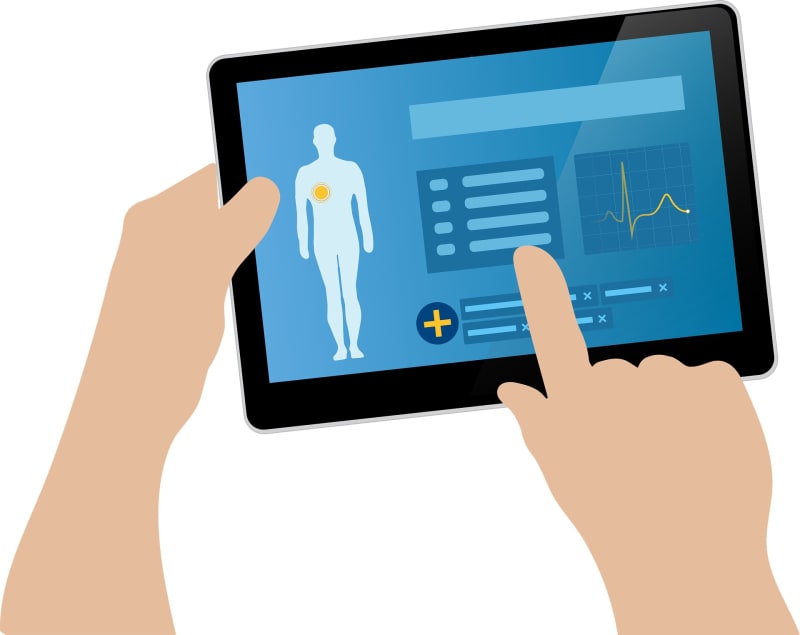
Health apps and patient portals promise better care, but most people barely use them or don't know what they can do. A University of Massachusetts researcher found the secret to making digital health tools actually work: ask patients what they need before building the technology.
Dr. Daniel Amante studies how to make patient portals like MyChart more useful for everyday people. These tools let patients check test results and message doctors, but many sign up without understanding how the portal helps their health. "Patients may sign up without really knowing what the portal can do or how it can support their care," Amante explained.
His team discovered that training matters as much as access. While smartphones put powerful health tools in millions of pockets, people with limited health literacy or English skills often struggle to use them effectively. Spanish speakers can access MyChart in their language, but rarely get shown how it works or why it matters.
Text messaging emerged as surprisingly powerful for patients managing diabetes. Amante's team had patients with diabetes write the actual messages sent to other patients. When behavioral tips come from people facing the same challenges, patients pay attention and follow through.
One study tackled a stubborn problem: getting diabetes patients to attend self-management education classes. These classes improve blood sugar control, but few people show up. Patients received help setting up their portal, then got peer-written text messages reminding them about appointments and asking about personal goals like walking their dog or doing yoga.
Why This Inspires
This research proves technology doesn't replace human connection in healthcare. It strengthens it. When patients help design the tools meant to serve them, those tools actually get used. A simple text message written by someone who understands your struggle beats a fancy AI algorithm that talks at you.
The approach works because it flips the usual script. Instead of building technology first and hoping patients adapt, Amante's team starts with real challenges patients face: confusing instructions, missed appointments, feeling overwhelmed by data from fitness trackers. Then they design solutions together.
Looking ahead, Amante sees promise in wearable devices and AI, but only if they turn mountains of data into simple, useful insights. Continuous glucose monitors and smartwatches generate tons of information that can overwhelm both patients and doctors. Machine learning could help spot important patterns without adding stress.
The lesson applies beyond healthcare. Whether it's a patient portal or any digital tool meant to help people, success comes from involving users from day one. When people see themselves reflected in the technology, they trust it enough to let it support their lives.
More Images
Based on reporting by Medical Xpress
This story was written by BrightWire based on verified news reports.
Spread the positivity!
Share this good news with someone who needs it