Digital Heart Twins Achieve 100% Success in Hopkins Trial
Ten heart patients are now arrhythmia-free after doctors tested life-saving procedures on digital replicas of their hearts first. This breakthrough technology turned a procedure with a 60% success rate into one with perfect outcomes.
Imagine doctors practicing your heart surgery on a perfect digital copy of your heart before they ever touch you with a scalpel.
That's exactly what happened for 10 patients at Johns Hopkins University, and every single one of them is now living arrhythmia-free more than a year later. The results, published in the New England Journal of Medicine, show a stunning leap forward in treating dangerous irregular heartbeats.
Each patient in the trial had survived a heart attack but struggled with ventricular tachycardia, a life-threatening irregular heartbeat. The standard treatment is ablation, where doctors destroy the tiny bits of heart tissue causing the problem. The catch? Finding those spots is incredibly difficult, procedures can last hours, and they often fail.
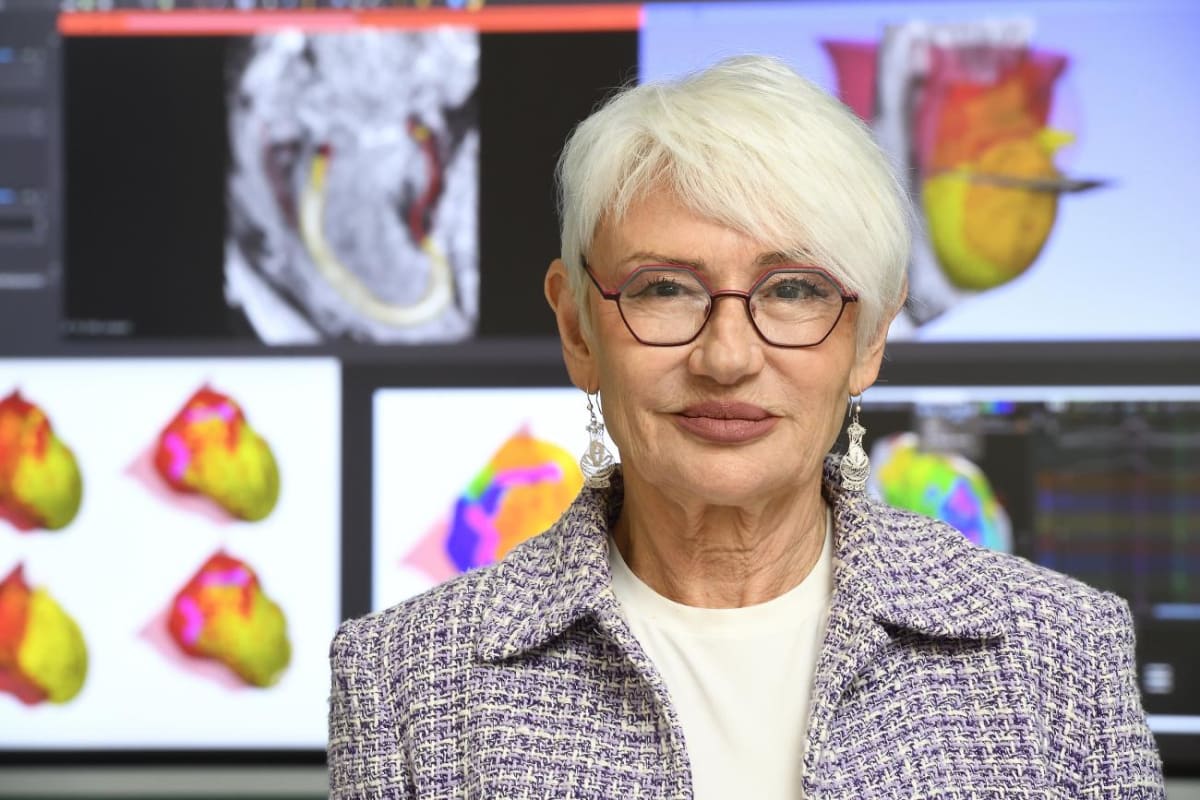
Enter the digital twin. Using detailed 3D imaging from an MRI, researchers created a computer model of each patient's unique heart. These weren't just pictures, they were working models that could predict exactly how electricity moved through damaged tissue and where arrhythmias would start.
"In the patient's digital twin, we can try different scenarios for treatment before we treat the actual patient," said Natalia Trayanova, the biomedical engineering professor whose team developed the technology. Doctors tested multiple approaches on the digital hearts, found the optimal targets, then performed streamlined procedures on the real patients.
The results speak for themselves. Traditional ablation has a 60% long-term success rate. This trial? 100%. After their procedures, doctors couldn't trigger arrhythmias in any patient. Two experienced brief episodes while healing, but all 10 remained completely free of dangerous heartbeats more than a year later.
The benefits went beyond just success rates. Eight patients stopped taking arrhythmia medications entirely, while two reduced their doses. The procedures were faster and more precise, causing less damage to healthy heart tissue.
Why This Inspires
This technology represents something bigger than just better heart procedures. It's a glimpse into a future where doctors can test-drive treatments on perfect digital replicas before ever touching a patient. No guesswork, no trial and error on living tissue, just precision medicine tailored to your exact body.
The team is already planning larger trials and working to make the technology available on desktop computers so doctors can get predictions in minutes instead of hours. They're also expanding it to treat other heart conditions, potentially helping millions more patients.
For now, 10 people are walking around with healthy heartbeats who might not have been so lucky with traditional treatment.
Based on reporting by Google News - Clinical Trial Success
This story was written by BrightWire based on verified news reports.
Spread the positivity!
Share this good news with someone who needs it