Digital Heart Twins Cut Surgery Time, Save 10 Lives
Doctors created virtual replicas of patients' hearts to test treatments before surgery, turning a risky three-hour procedure into a 30-minute success story. All ten patients with life-threatening irregular heartbeats are now healthy, compared to just 60% with traditional methods.
Ten people facing deadly heart rhythm problems are alive and well today because doctors rehearsed their surgeries on digital copies of their hearts first.
Researchers at Johns Hopkins University enrolled ten patients who suffered from ventricular tachycardia, a condition where the heart's lower chambers beat too fast to pump blood properly. It develops after heart attacks and kills roughly 350,000 Americans every year through sudden cardiac arrest.
The traditional fix involves destroying problematic heart tissue through a procedure called ablation. But finding exactly which tissue to destroy is like searching for a needle in a haystack, often requiring patients to undergo multiple surgeries.
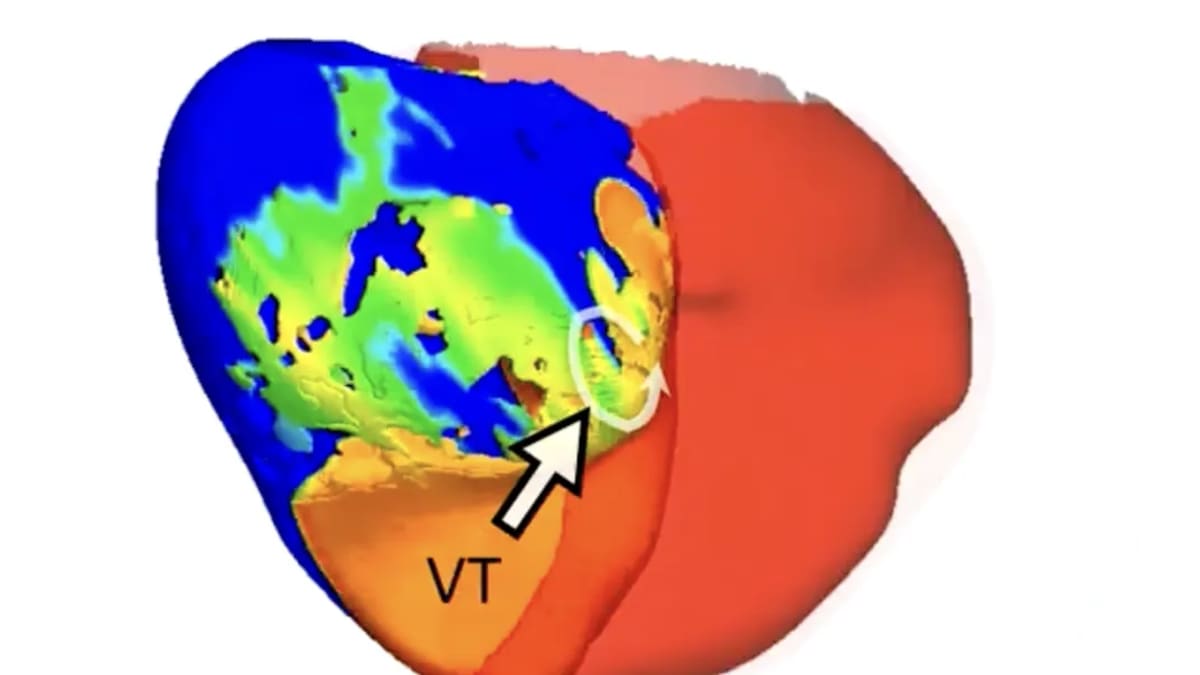
The Johns Hopkins team tried something different. They used high-resolution MRI scans to build personalized 3D computer models of each patient's heart. These "digital twins" allowed doctors to test different treatment scenarios virtually, mapping exactly how electrical signals traveled through each unique organ.
"In the patient's digital twin, we can try different scenarios for treatment before we treat the actual patient," says biomedical engineer Natalia Trayanova, who led the study published in the New England Journal of Medicine. The virtual testing revealed problem areas that clinical examination alone couldn't detect.
The results were remarkable. Surgery time dropped from three hours to just 30 minutes, reducing risks from prolonged sedation. Immediately after the procedures, doctors couldn't trigger arrhythmia in any patient, the standard test for success.
Why This Inspires
Eight patients remained completely arrhythmia-free without medication for over a year. The other two experienced single episodes within a month that their implanted defibrillators corrected, and both reduced their medication doses with no further problems.
That's a 100% success rate compared to traditional ablation's 60%. Every single patient is doing better.
The technology represents a fundamental shift in medicine. Instead of one-size-fits-all treatments, doctors can now personalize care by testing it on a virtual version of your actual organ first. Researchers are already planning larger trials and expanding to other heart conditions.
"This demonstrates a crowning achievement in this technology," Trayanova says. What started as ten patients could soon help hundreds of thousands facing the same life-threatening condition every year.
More Images
%2Fhttps%3A%2F%2Ftf-cmsv2-smithsonianmag-media.s3.amazonaws.com%2Faccounts%2Fheadshot%2FSara_-_Headshot_thumbnail.png)
Based on reporting by Smithsonian
This story was written by BrightWire based on verified news reports.
Spread the positivity!
Share this good news with someone who needs it