Digital Platform Tracks Ebola Supplies in Real Time
A new mobile platform is solving one of the biggest problems in fighting Ebola: making sure medicine and supplies actually reach patients who need them. By letting health organizations share data instantly, the system is preventing critical shortages before they happen.
When Ebola strikes, we think the battle happens in laboratories and hospitals, but the real fight often happens on impassable roads and in fragmented communication systems that let life-saving supplies vanish into logistical black holes.
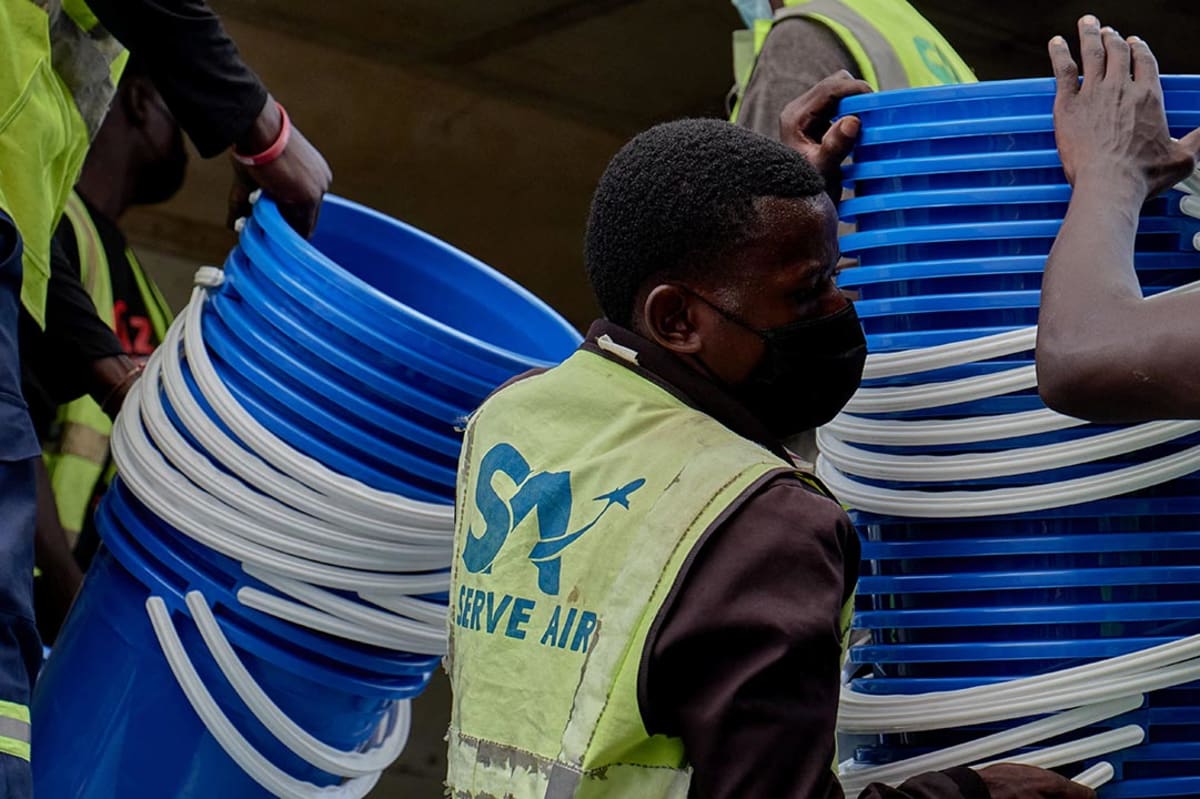
During the 2018-2020 Ebola outbreak in the Democratic Republic of Congo, the World Health Organization had to move nearly three metric tons of supplies every single day just to keep treatment centers running. They used cargo planes, helicopters, trucks, and motorcycles to navigate active conflict zones and roads that barely existed.
The current outbreak in the DRC is even more challenging because no approved vaccine exists for this rare strain. That means everything depends on getting diagnostic tests, protective gear, and treatment supplies to remote communities fast, but fragmented information systems keep causing dangerous stockouts.
Researchers studying health supply chains in developing countries discovered why coordination keeps breaking down. Most systems focus only on tracking and scheduling while ignoring the political, economic, and social forces that actually determine whether medicine reaches patients.
The problem gets worse because multiple organizations operate separate supply chains that overlap and compete. When ministries, international donors, and local clinics can't share information, they duplicate efforts while communities go without essential supplies.
The Ripple Effect
A new centralized mobile platform is changing that reality by giving all network partners real-time visibility into where supplies are and where they're needed most. The prototype includes an integrated dashboard, live tracking, and an interface designed for multiple stakeholders to coordinate seamlessly.
The technology addresses what researchers identified as the core problem: information sharing across deeply interdependent health facilities. When communication relies on manual, error-prone processes, patients pay the price through delayed treatment and preventable deaths.
Early results show the platform helps prevent stockouts by letting organizations see supply levels across the entire network and respond before shortages become critical. It combines cost-effective digital technology with practical measures like resource pooling and process standardization.
The breakthrough matters because medical innovations only work if they can actually reach people. A vaccine sitting in a warehouse hundreds of miles away saves exactly zero lives, but a coordinated supply chain that delivers it to a remote village in 24 hours instead of a week can stop an outbreak from spreading.
Communities in Kasai Province that once required several days of travel to reach are now connected through digital coordination that helps humanitarian organizations plan routes and allocate resources more efficiently. The system doesn't fix bad roads or end conflict, but it makes sure every available supply gets used where it matters most.
This approach recognizes that fighting epidemics requires attention to policy, community needs, and logistics simultaneously. Strengthening any single layer helps, but real progress comes from connecting all three through better information flow.
When the next outbreak happens, digital coordination could mean the difference between containment and catastrophe, turning invisible supply chains into a transparent network that saves lives one delivery at a time.
Based on reporting by Google News - Medical Breakthrough
This story was written by BrightWire based on verified news reports.
Spread the positivity!
Share this good news with someone who needs it