Diplodocus Fossils Found in Spain for First Time Ever
Scientists in Spain discovered the first Diplodocus skeleton ever found outside North America, rewriting what we know about how dinosaurs moved between continents 150 million years ago. The remarkably complete find proves these giant herbivores traveled farther than anyone imagined. #
A team of Spanish paleontologists just proved that one of the world's most famous dinosaurs had a much bigger backyard than we thought.
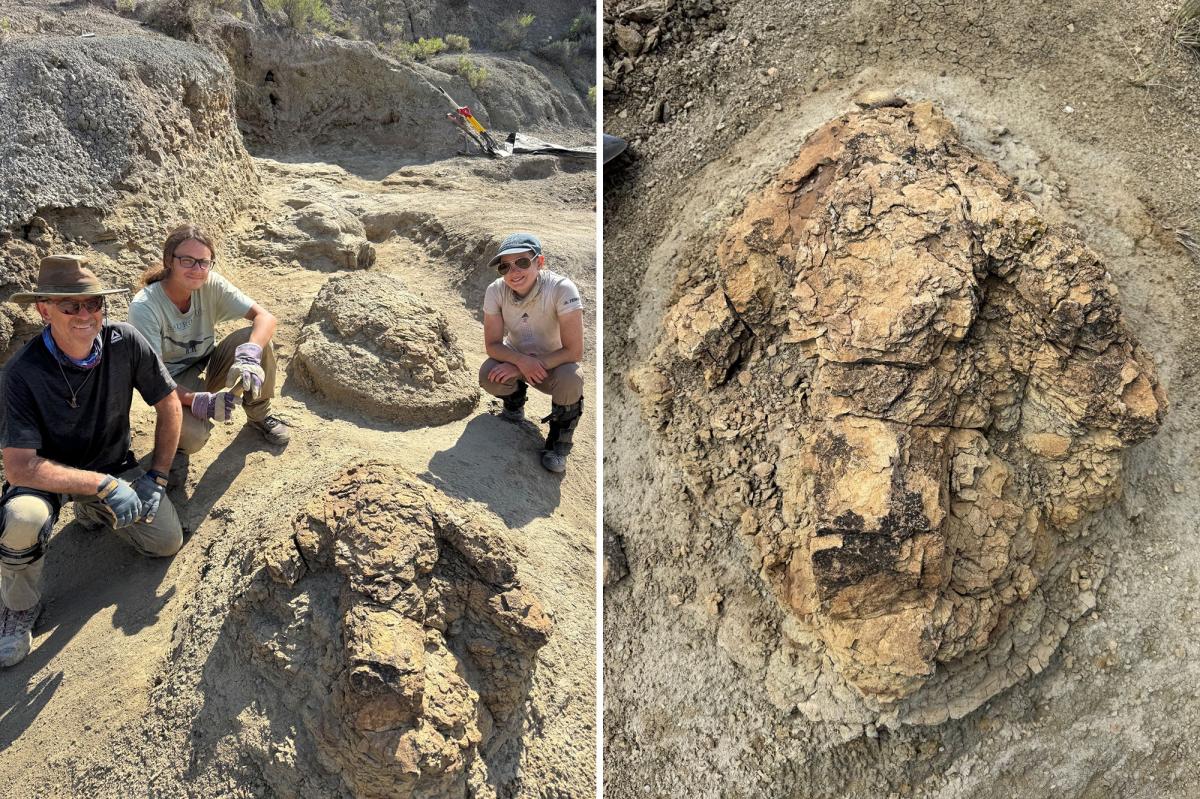
Researchers at the Dinopolis Foundation in Teruel discovered vertebrae and tail bones from a Diplodocus at a fossil site in eastern Spain. This marks the first time skeletal evidence of this iconic long-necked giant has been found anywhere outside North America.
The discovery, published this week in the Journal of Vertebrate Paleontology, includes 14 tail vertebrae and several chevron bones dating back around 150 million years. Scientists called it "one of the most complete diplodocid skeletons from Europe."
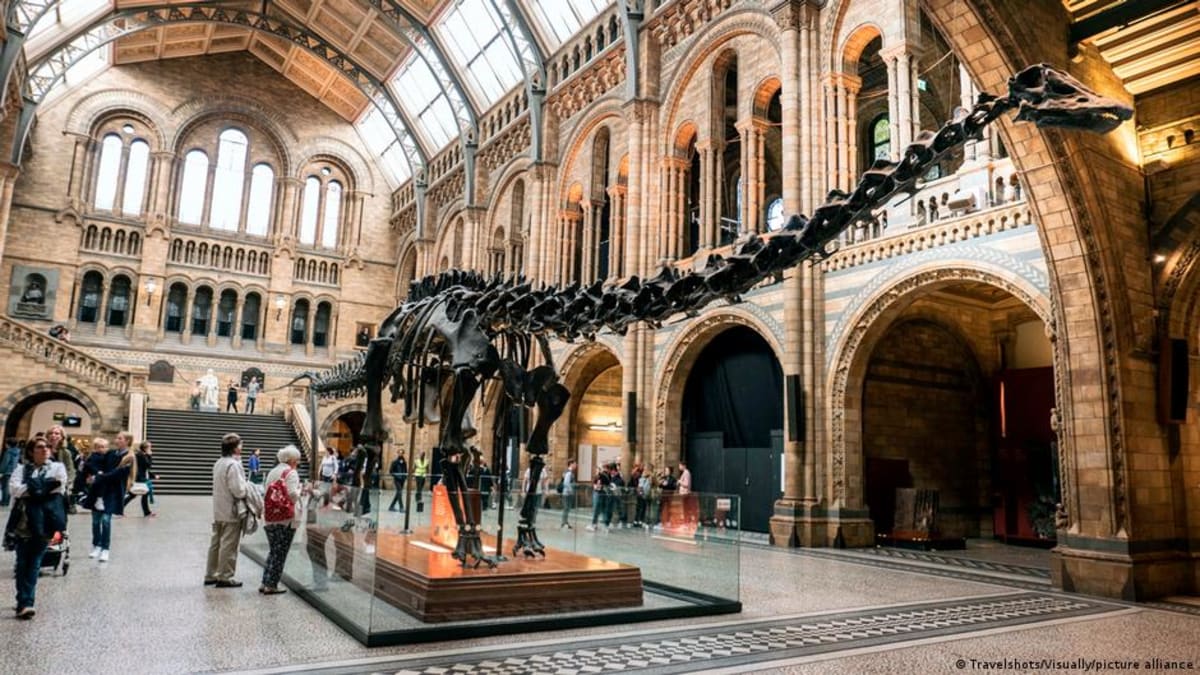
For decades, paleontologists believed Diplodocus and other famous dinosaurs like Stegosaurus lived exclusively on the North American continent. The fossils that made "Dippy" the Diplodocus famous at London's Natural History Museum were all casts of American specimens.
But this Spanish skeleton changes everything. The bones came from the La Tejeria fossil site in El Castellar, an area already known for giant sauropod discoveries but never for this particular species.
Why This Inspires
This find does more than add a new dot on the dinosaur map. It confirms that during the Late Jurassic period, land-based giants somehow crossed what would become the Atlantic Ocean.
Scientists now believe the continents, just beginning to drift apart 150 million years ago, still had temporary land bridges or shallow seas that occasionally allowed dinosaurs to trek between North America and Europe. Recent discoveries along Spain and Portugal's Atlantic coast keep reinforcing this theory.
Every new fossil tells us that life finds a way to explore, adapt, and spread farther than we expect. These dinosaurs didn't see oceans as barriers but as challenges to overcome.
The researchers noted that European diplodocid fossils remain "scarce and fragmentary," meaning more discoveries likely wait beneath Spanish soil. Each bone uncovered helps paleontologists piece together the ancient world and understand how creatures responded to a changing planet.
This Diplodocus didn't just live its life. It made an impossible journey that scientists are only now beginning to understand 150 million years later.
#
More Images
Based on reporting by DW News
This story was written by BrightWire based on verified news reports.
Spread the positivity!
Share this good news with someone who needs it