Disney's Olaf Robot Falls But Engineers Learn and Improve
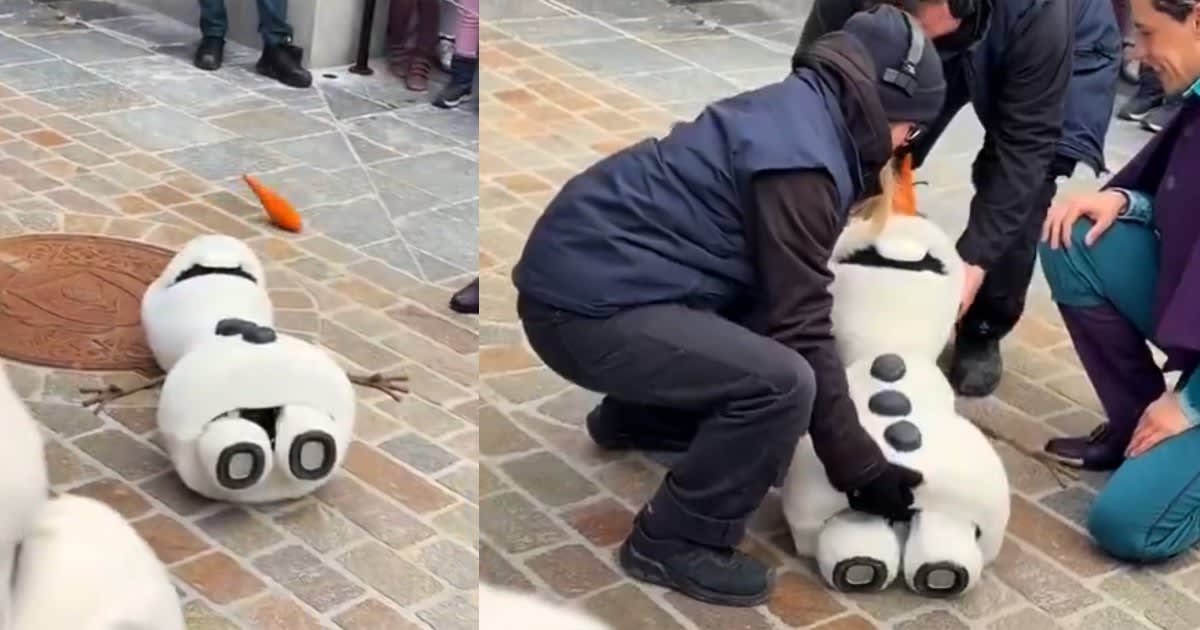
Disney's ambitious walking Olaf robot stumbled at Disneyland Paris just one day after its debut, but the incident reveals how far robotics has come and where innovation happens next. The moment captured on video shows both the challenges and excitement of bringing beloved characters to life through cutting-edge technology.
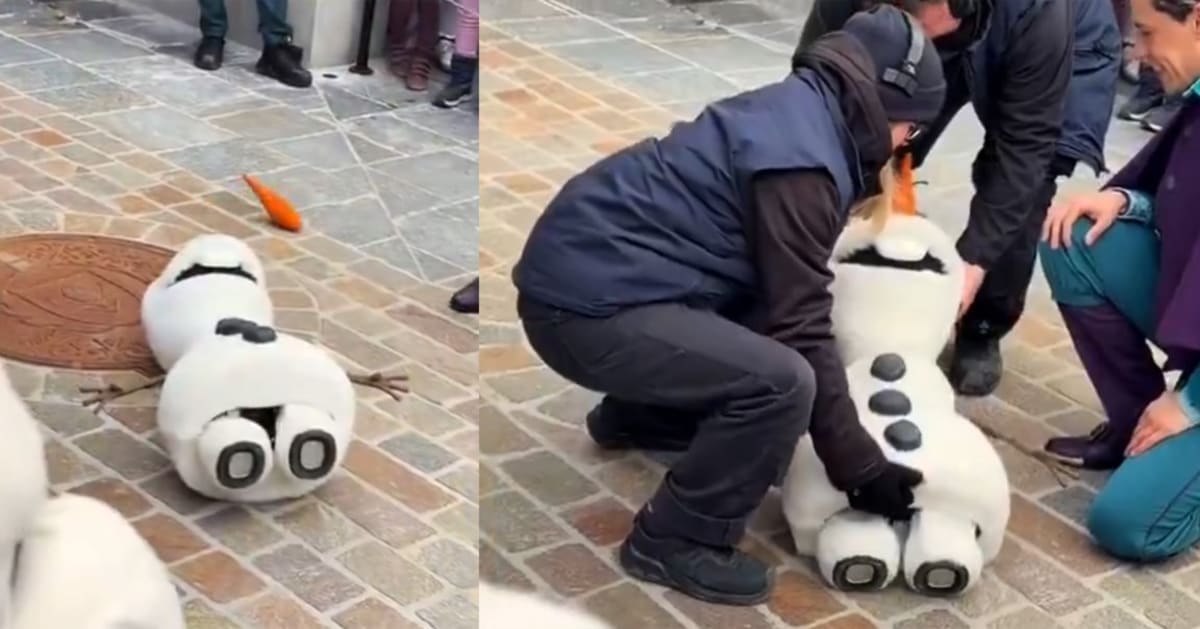
Disney's brand new Olaf robot took an unexpected tumble at Disneyland Paris on Monday, just one day after its grand debut. The walking animatronic suddenly froze mid-performance and fell backward, sending its iconic carrot nose skittering across the pavement as shocked guests looked on.
The mishap went viral on TikTok, but behind the stumble lies a genuinely impressive story of innovation. Built by Disney Imagineering roboticists, this Olaf represents a major leap forward in entertainment robotics.
The technical challenges were enormous. Olaf's head is nearly as large as his torso with no visible neck connecting them. He has no traditional legs, just two stumps for feet. Despite these constraints, engineers created a robot that waddles, waves its twig arms, and moves its eyebrows exactly like the beloved Frozen character.
The team solved complex problems using artificial intelligence and reinforcement learning. They ran 100,000 simulations to teach the robot's motor systems to move as quietly as possible, preserving the magic for guests. They used the same technique to prevent overheating in the tiny neck area packed with actuators controlling that oversized head.
Disney powered Olaf with three internal computers, including an Nvidia Jetson Orin NX. The company was so confident in the technology that Olaf appeared onstage with Nvidia CEO Jensen Huang at a major conference earlier this month.
The Bright Side
While Monday's fall disappointed waiting guests, it represents something important: real innovation happening in real time. Every stumble teaches engineers something new about bringing autonomous robots into unpredictable environments with crowds, weather, and variables no simulation can fully capture.
The technicians quickly recovered Olaf and smoothly reattached his nose, showing Disney anticipated hiccups. That preparation demonstrates commitment to learning from setbacks rather than abandoning ambitious projects.
This walking, talking snowman pushes boundaries in character robotics that seemed impossible just years ago. The fact that it worked so well before the fall, moving with such lifelike precision that it seemed to step out of an animated film, shows how close we are to seamlessly blending technology and storytelling.
Every great innovation stumbles before it soars, and Olaf's engineers now have invaluable real-world data to make the next version even better.
More Images
Based on reporting by Futurism
This story was written by BrightWire based on verified news reports.
Spread the positivity!
Share this good news with someone who needs it