Displaced Families Now Protect Congo Forest They Lost
Descendants of families forced from their land to create a national park in the 1970s are now leading conservation efforts in the Democratic Republic of Congo. Their community-run forest program has reduced deforestation by 87% in just one year.
The families pushed out of their ancestral forests decades ago are now its greatest protectors.
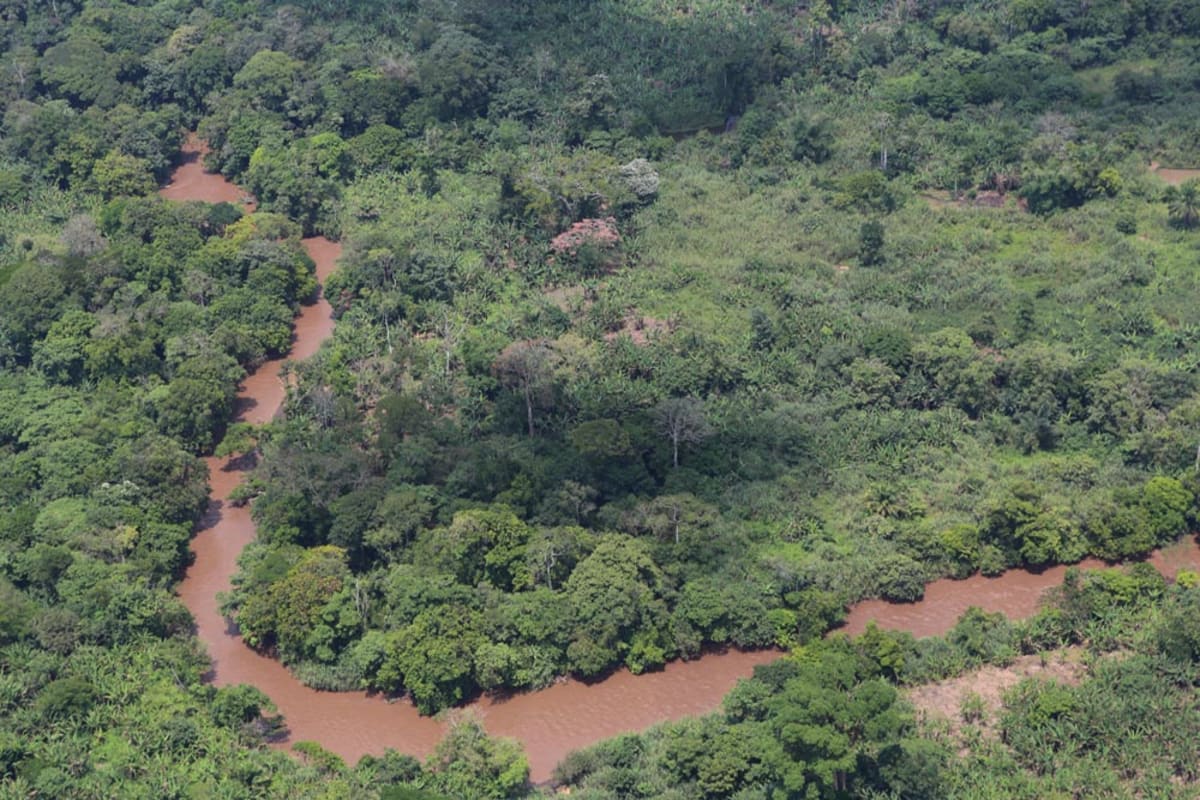
Gangala Yafali Mangusa Jr. leads the Bamasobha Local Community Forest Concession in eastern Democratic Republic of Congo, overseeing 71,700 acres where his ancestors once lived. His family was among those forcibly displaced in the 1970s when the government created Maiko National Park to protect gorillas, elephants, and chimpanzees.
"Park rangers came and forbade people from entering the forest and eating meat, even though these Indigenous communities had been living off meat and fruit for generations," Mangusa Jr. said. The conflict between conservation authorities and local communities lasted for decades, driving families away from their homeland.
But a remarkable shift happened when communities gained control of managing their own forests. In 2023, the Bamasobha community developed a plan that protects wildlife while allowing sustainable use of forest resources through designated production and conservation zones.
The results speak for themselves. Satellite data shows forest loss plummeted from 2,320 acres in 2024 to just 296 acres in 2025, an 87% reduction in a single year.
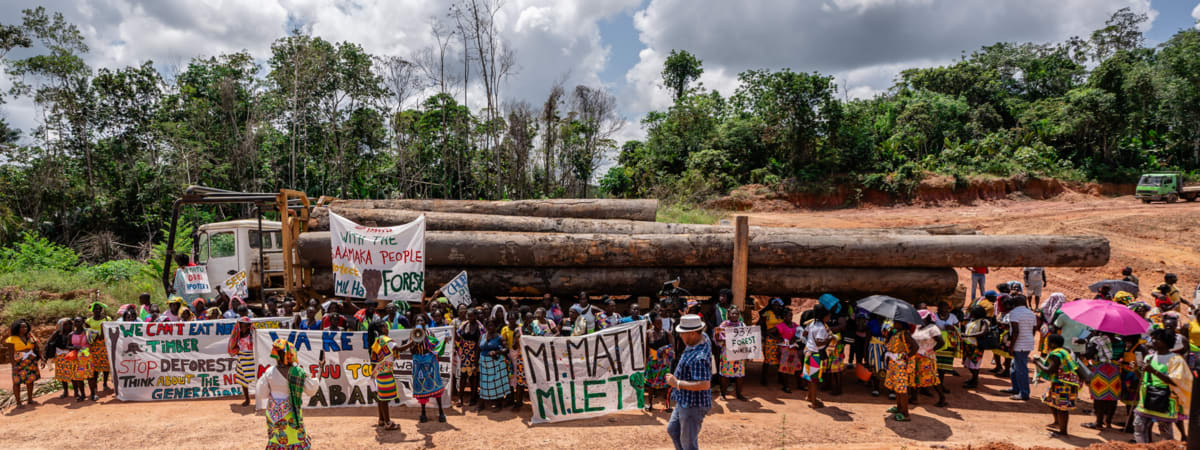
Mangusa Jr. and his team patrol against illegal hunting, logging, and mining while helping communities live alongside the forest sustainably. The model represents a growing movement across Congo, where community-run forest concessions are expanding rapidly.
The Ripple Effect
The success at Bamasobha is inspiring similar projects throughout eastern Congo. The conservation group Strong Roots Congo is now developing a massive 2.5 million acre biodiversity corridor between two protected areas, filled with dozens of community forest concessions.
Forest governance researcher Olivier Ndoole Bahemuke sees these community programs as justice for Indigenous people who lost access to their forests when protected areas were created. When communities embrace this model, he said, it becomes "an extension of the wildlife protection practices of their ancestors."
Challenges remain, including regional insecurity that sometimes forces community members to flee and allows outsiders to hunt illegally in conservation zones. But the dramatic drop in deforestation shows what's possible when the people who know the forest best are empowered to protect it.
The descendants of displaced families are proving that conservation works best when it includes rather than excludes the communities who have called these forests home for generations.
More Images

Based on reporting by Google News - Conservation Success
This story was written by BrightWire based on verified news reports.
Spread the positivity!
Share this good news with someone who needs it