Divers Find 1,000 Roman Artifacts in Swiss Lake
Underwater archaeologists discovered more than 1,000 perfectly preserved Roman artifacts at the bottom of Lake Neuchâtel, including ceramic vessels, swords, and even ancient food remains from a ship that sank nearly 2,000 years ago. The team kept their discovery secret for months to protect the treasures from looters.
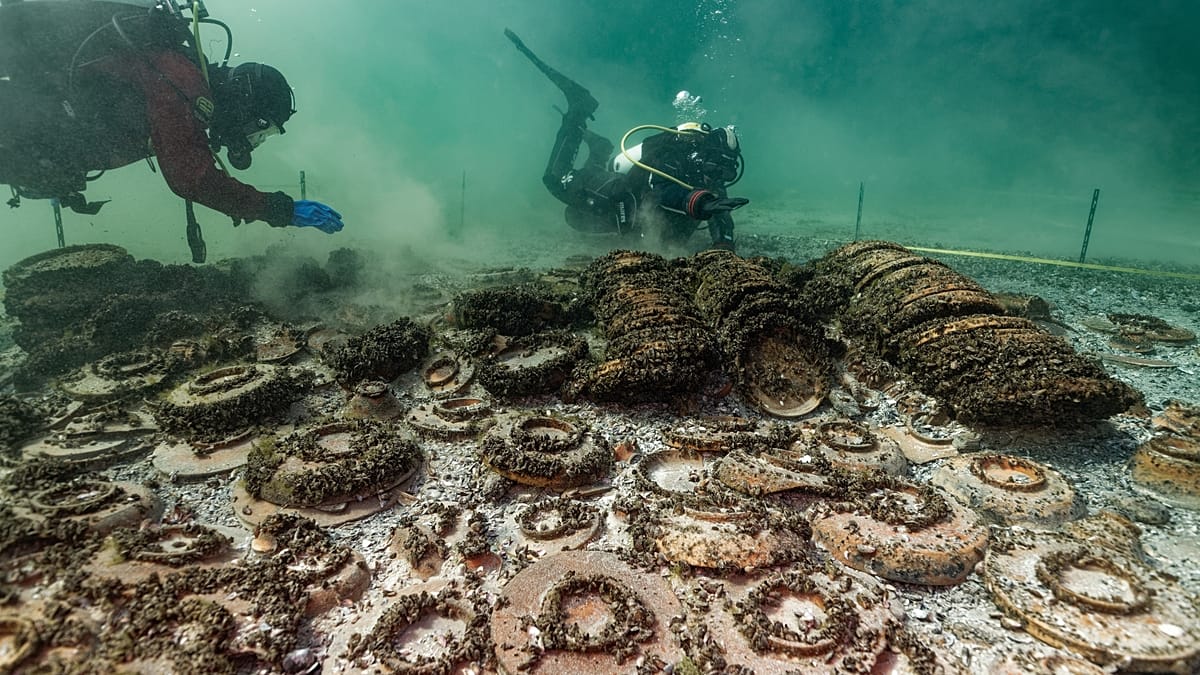
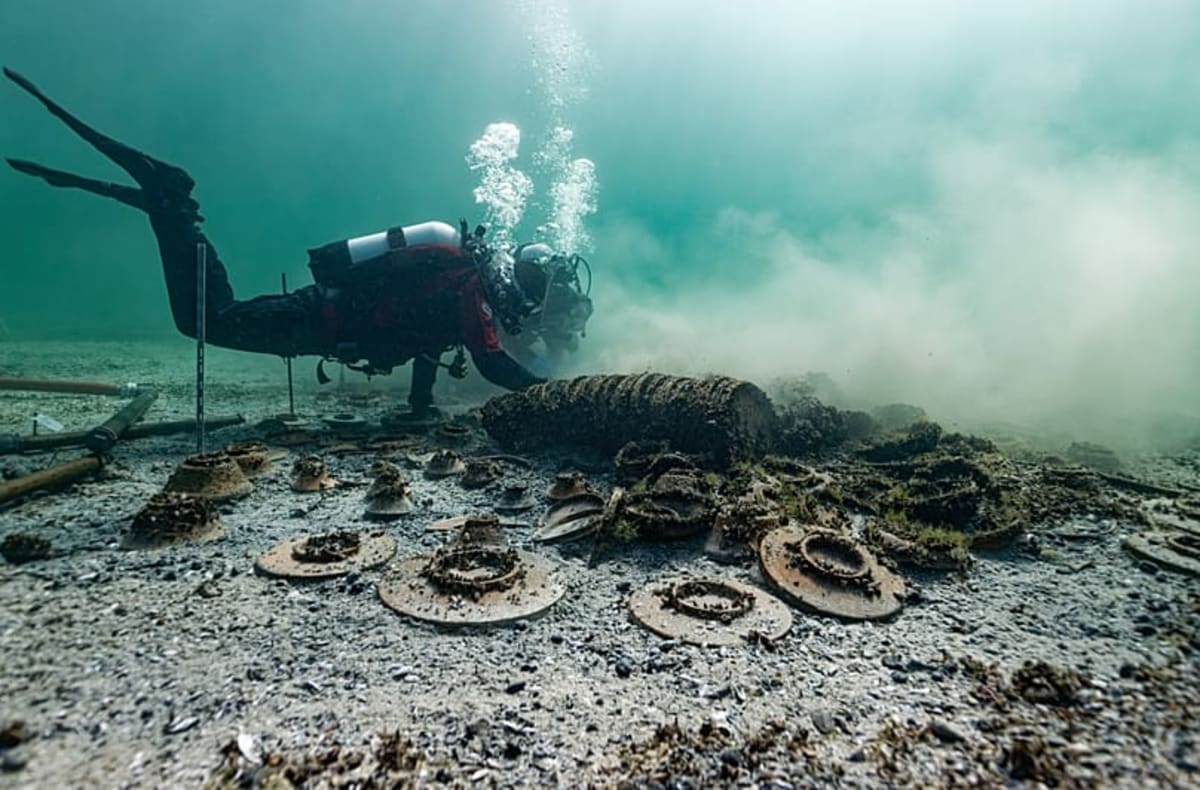
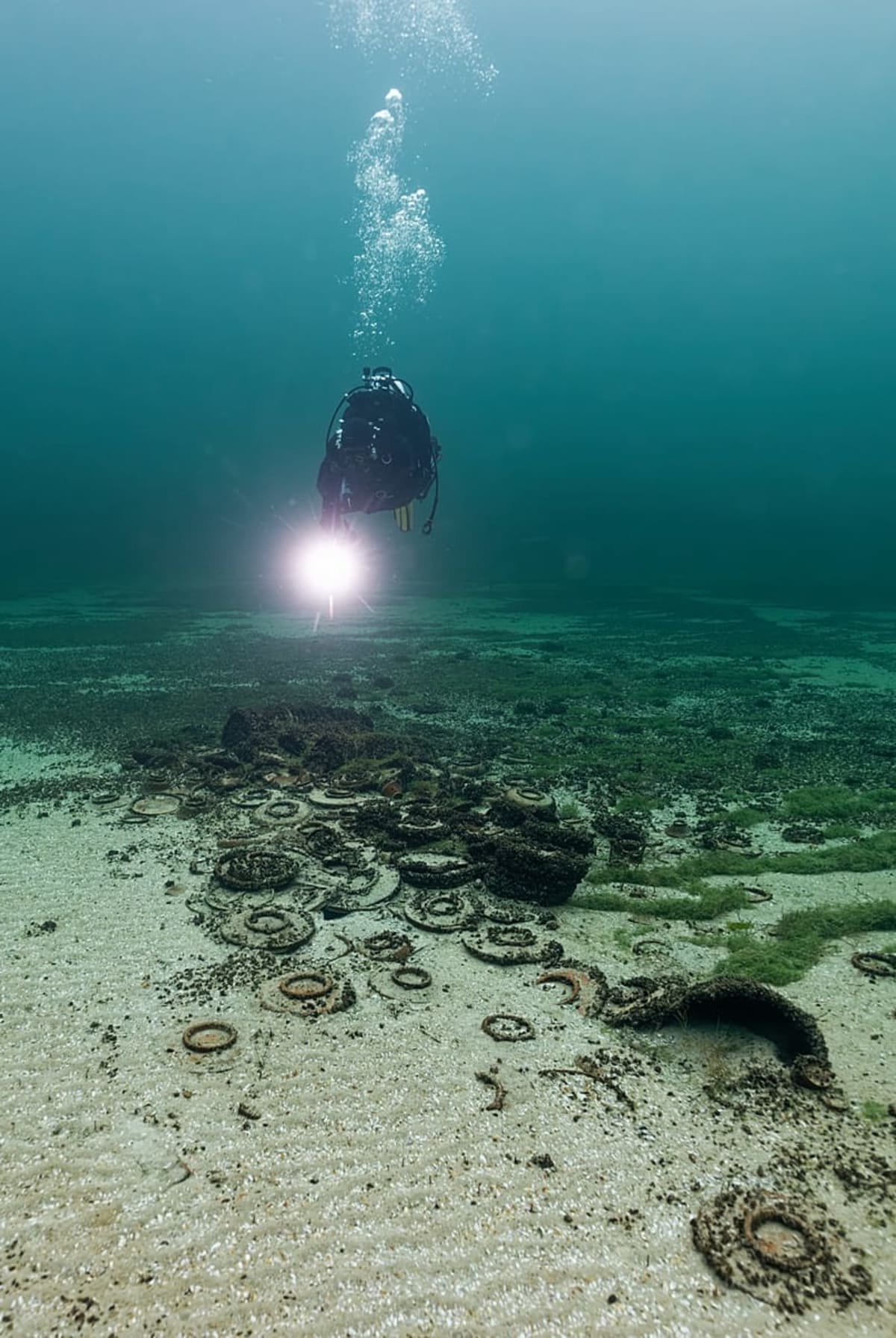
When divers Fabien Langenegger and Julien Pfyffer spotted a mysterious pile of circles at the bottom of Lake Neuchâtel in Switzerland, they thought they'd found leftover mines from World War II. Instead, they'd stumbled upon one of the most spectacular Roman finds in decades.
"When I switched on my camera light, the characteristic color of terracotta emerged," Pfyffer recalls. The two archaeologists from the Octopus Foundation stood frozen above the discovery, realizing they were looking at cargo from a Roman ship that had been perfectly preserved for almost 2,000 years.
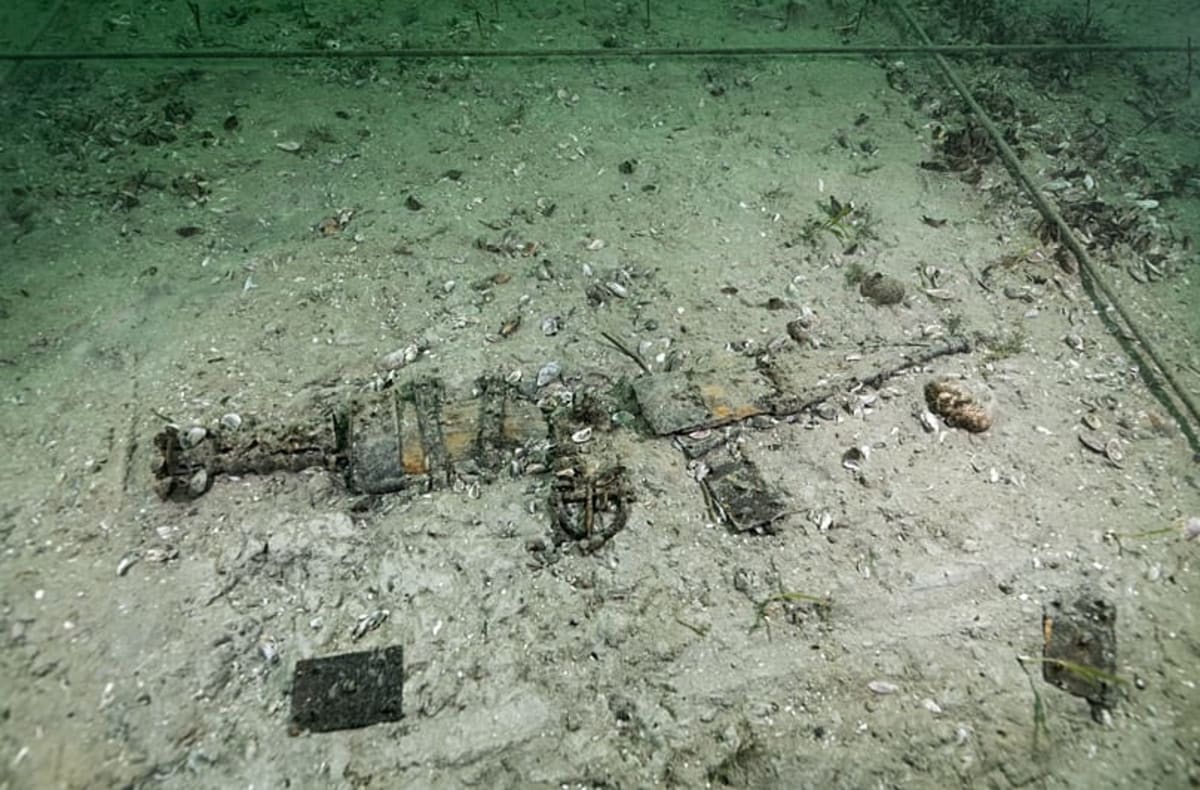
The November 2024 discovery remained a closely guarded secret until excavation was complete. Over two campaigns in 2025 and 2026, the team carefully recovered more than 1,000 objects from the lakebed, including ceramic kitchen utensils, two gladiator swords, a dagger, belt buckles, and even a wicker basket containing six ceramic pieces.
Researchers believe the ship was transporting kitchen supplies manufactured in Switzerland to a Roman military camp between 20 and 50 AD. One crate discovered at the site was dated to 17 AD, helping pinpoint the vessel's time period.
The presence of military equipment suggests Roman legionnaires were escorting the cargo. Based on the quantity of items found, archaeologists estimate the shipment could have supplied a legion of around 6,000 soldiers.
Why This Inspires
What makes this find truly remarkable is how much it can teach us about daily Roman life. Food remains still cling to some ceramic vessels, offering scientists a rare glimpse into what people ate two millennia ago. The simpler pottery found in the wicker basket likely belonged to the ship's crew, showing the difference between military supplies and sailors' personal belongings.
Restorers are now carefully cleaning each artifact, looking for manufacturing seals, traces of ancient meals, and protective straw packed between plates. These tiny details, invisible to divers working through clouds of sediment, will reveal how Romans crafted, packed, and transported goods across their empire.
The Octopus Foundation is preparing a book and documentary for 2027, and Switzerland's largest archaeological museum will eventually display the treasures. But perhaps the most exciting part? According to the team, more historical artifacts rest in the world's waters than in all museums combined, waiting to tell their stories.
This lake just shared a secret it kept for 2,000 years.
More Images

Based on reporting by Euronews
This story was written by BrightWire based on verified news reports.
Spread the positivity!
Share this good news with someone who needs it