Divers Recover $716M in Gold From 800-Foot WWII Wreck
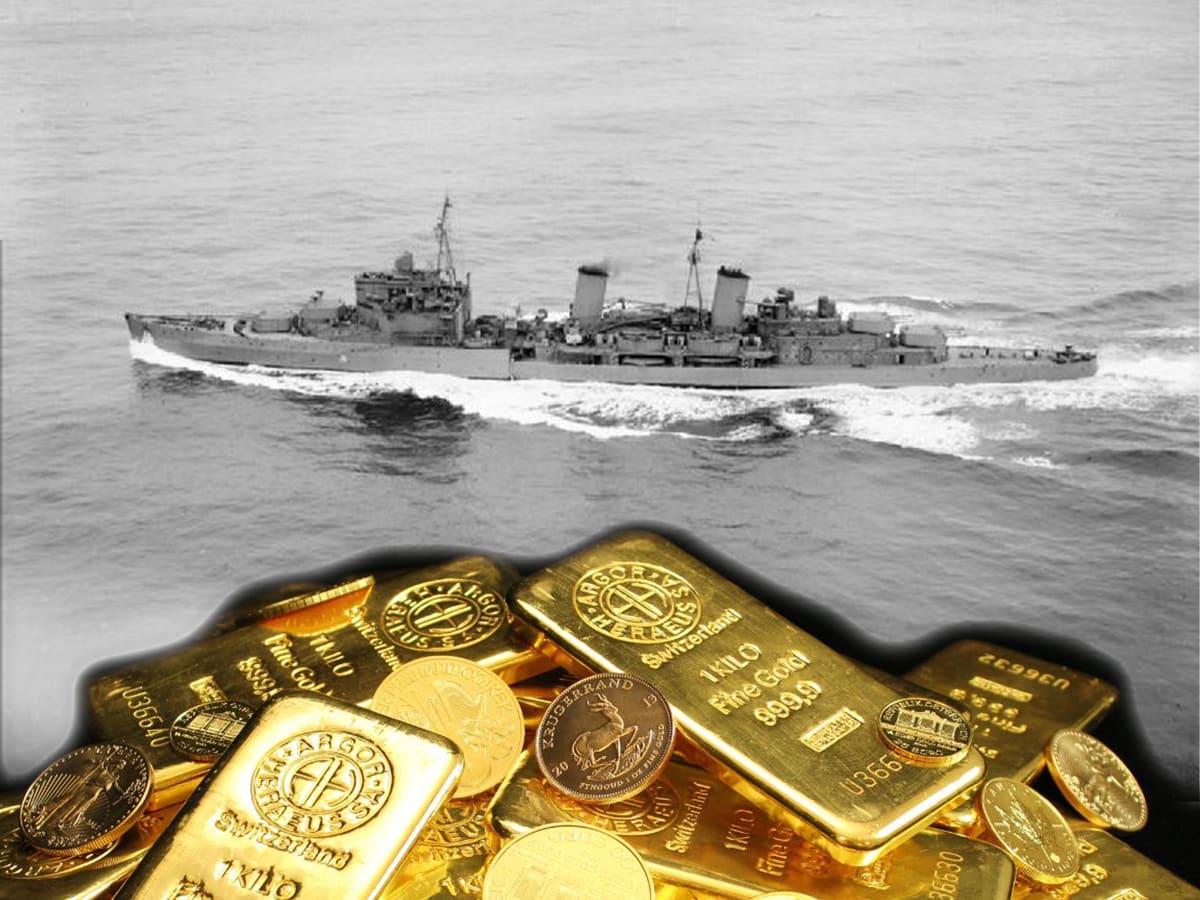
A small salvage team spent six years searching for a sunken British warship before pulling off one of history's most daring deep-sea recoveries. They brought up 460 gold bars from a war grave 800 feet beneath the Arctic Ocean.
When Keith Jessop finally spotted the HMS Edinburgh on his sonar screen in May 1981, he'd spent six years chasing what most people called impossible. The British cruiser had been sitting on the ocean floor since 1942, holding 465 bars of Soviet gold worth hundreds of millions of dollars.
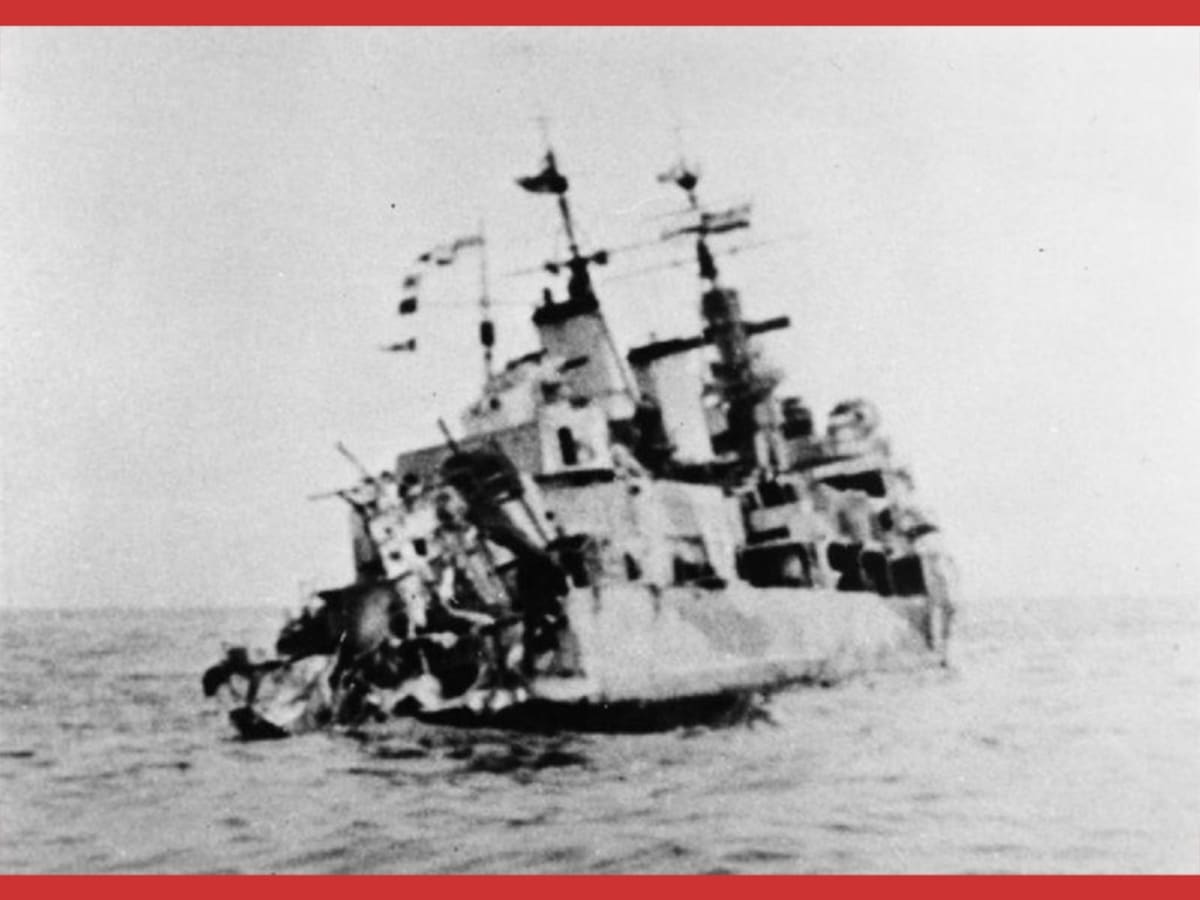
The Edinburgh never made it home from Russia during World War II. German torpedoes struck the ship on April 28, 1942, ripping open its hull like a tin can. Three days later, after a second attack, the crew abandoned ship and British vessels sank it deliberately. Fifty-eight sailors died, and five tons of gold disappeared beneath the Barents Sea.
Jessop ran a small marine salvage business that couldn't tackle this job alone. He partnered with other companies to get the ships, specialized equipment, and money needed for such a massive operation. But first, they had to find a wreck in one of the world's most unforgiving seas.
For years, Jessop studied naval records and survivor accounts, piecing together clues about the ship's final location. When the remotely operated vehicle confirmed the Edinburgh's identity 800 feet below, he'd proven all the skeptics wrong.
Getting inside proved even harder than finding it. The wreck sat too deep for regular scuba divers, so the team used saturation divers who lived in pressurized chambers aboard their ship. Two-man teams descended in a diving bell, breathing special gas mixtures while hot water pumped through their suits to fight the freezing Arctic temperatures.
The original plan called for entering through the torpedo hole that sank the ship. Wreckage and live ammunition blocked that route, so the divers grabbed their cutting torches and made their own entrance. For a week, they sliced through four inches of armored steel and cleared dangerous debris without disturbing the designated war grave.
On September 15, diver John Rossier radioed up three words that made history: "We found the bar!" His team loaded up to 40 gold bars at a time into metal cages and hauled them to the surface. Worsening weather eventually forced them to stop at 431 bars recovered.
Five years later, another expedition returned with better equipment and brought up 29 more bars. The final tally reached 460 out of 465 bars, worth about $716 million at today's gold prices.
Why This Inspires
Keith Jessop's story proves that vision and persistence can overcome seemingly impossible odds. He took a small business and assembled the right team, spent years researching when others doubted, and helped pioneer diving technology that opened new frontiers in deep-sea recovery. The operation became the first commercial dive to use gas-recovery systems and showed what careful planning and respect for history could accomplish, even at depths once considered unreachable.
Five gold bars still rest inside the Edinburgh, a reminder that some treasures belong to the sea.
More Images

Based on reporting by Upworthy
This story was written by BrightWire based on verified news reports.
Spread the positivity!
Share this good news with someone who needs it