DIY Solar Panels Save Homes $260 Without an Electrician
Plug-in solar panels that work like household appliances are spreading across America, letting renters and homeowners cut energy bills without permits or contractors. Over a dozen states now allow these $300+ systems that simply plug into wall outlets.
Imagine slashing your electricity bill to nearly zero by plugging solar panels into a regular wall outlet like you would a lamp. It sounds too simple to be true, but millions of European households are already doing it, and now Americans are joining in.
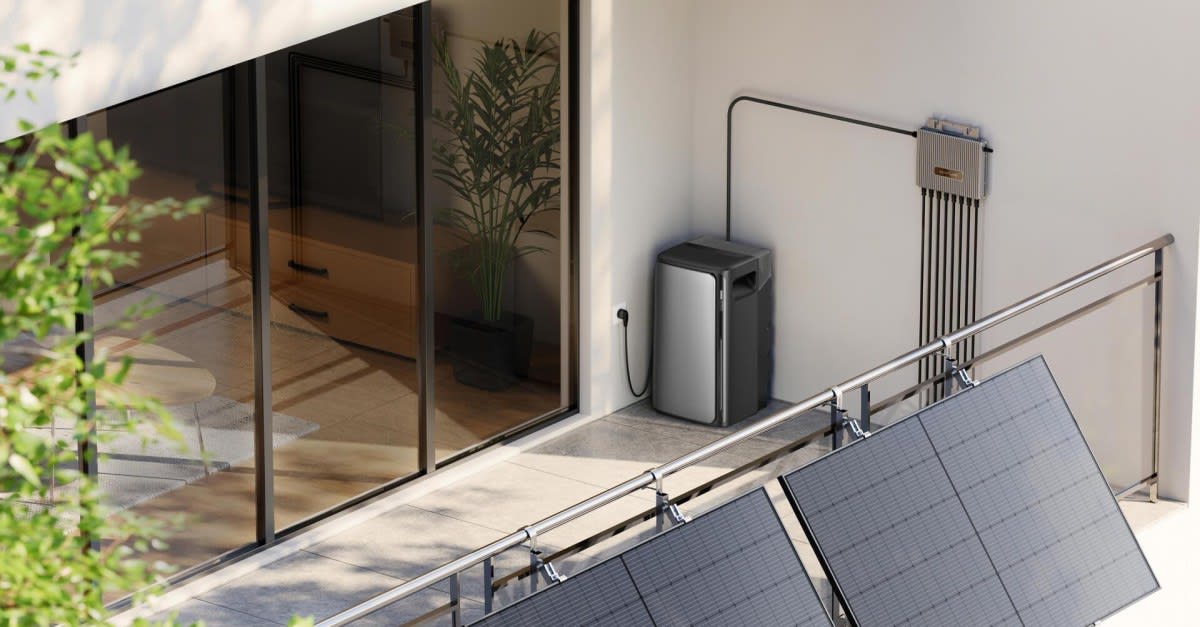
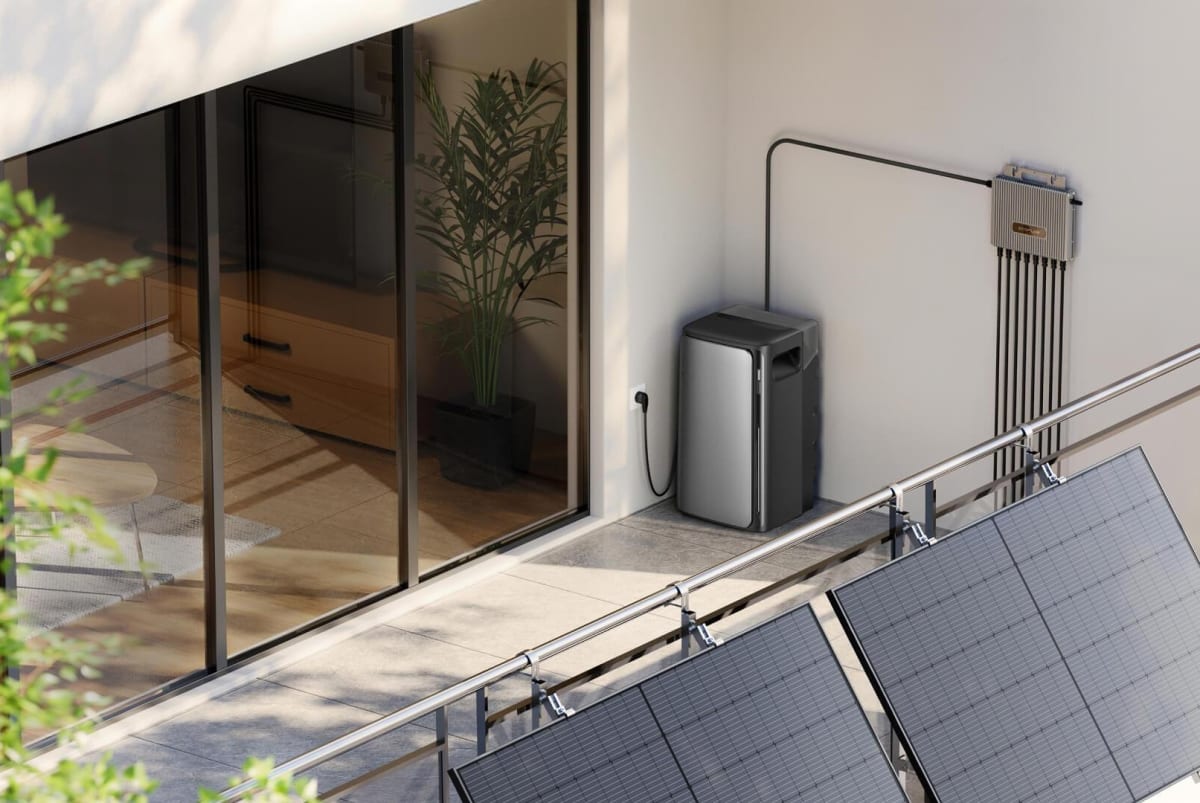
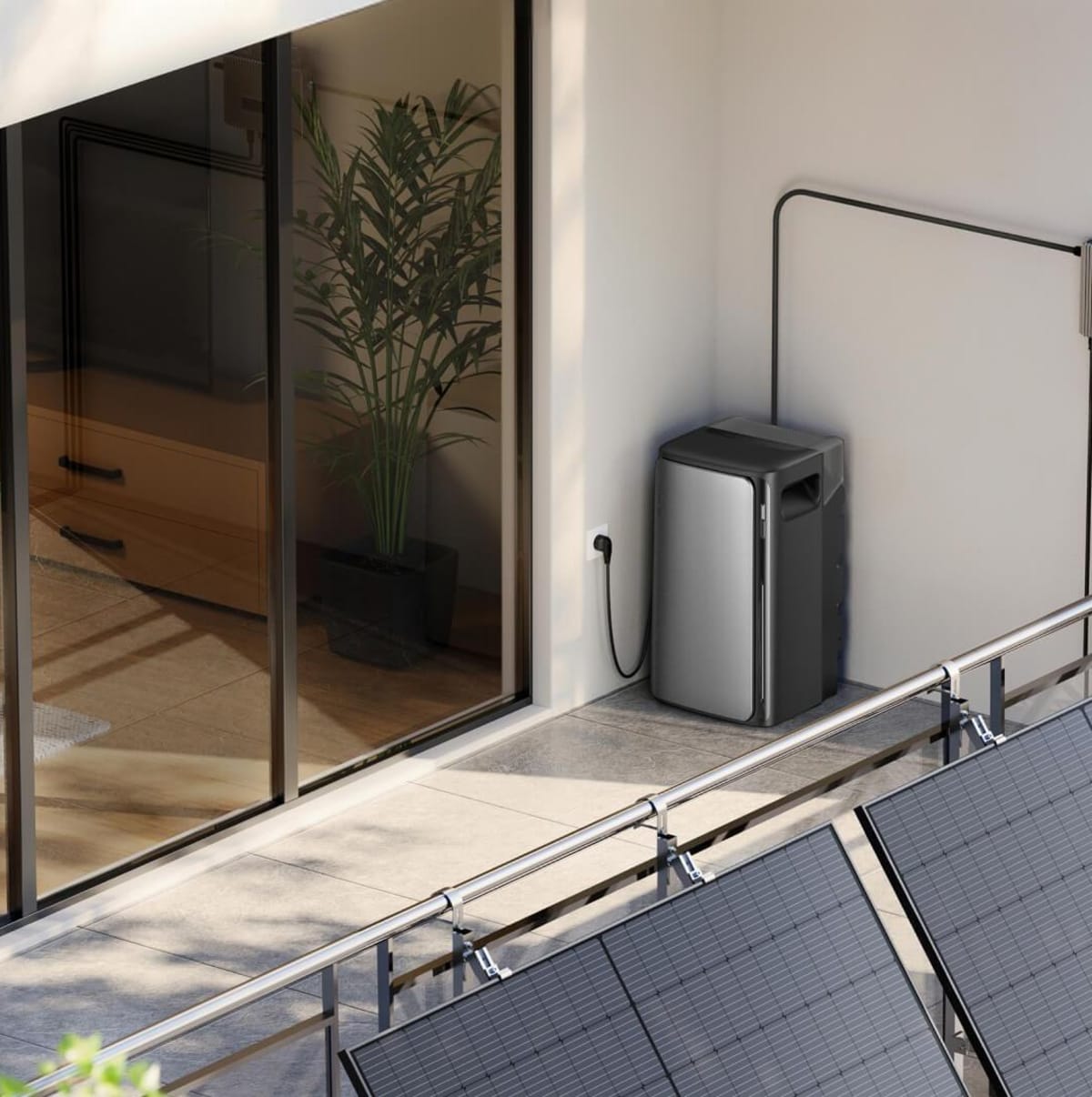
These DIY solar kits, called balcony solar or plug-in solar, transform renewable energy from an expensive home renovation into an affordable appliance. Traditional solar installations cost upwards of $15,000 and require contractors, permits, and utility approval. Plug-in systems start around $300 and can hang on balcony railings or lean against walls with zero professional help needed.
The systems include solar panels and a small microinverter that converts sunlight into electricity your home uses first before drawing from the grid. Add an optional battery for $500 to $1,500, and you can store extra power for nighttime use or emergency backup during blackouts.
One journalist in the Netherlands installed a modest 400-watt system that produced 709 kilowatt hours over 21 months, saving about $260 and nearly paying for itself. People in sunnier climates with larger arrays see even faster returns on investment.
Europe has embraced this technology wholeheartedly. An estimated 1.5 million German households alone have adopted plug-in solar, partly driven by energy prices that soared after geopolitical conflicts. Even Ikea sells these systems now. Only two of 27 EU countries still prohibit them.
American adoption lagged for years because utilities treated a single budget panel like a massive rooftop array requiring extensive approvals. That's finally changing as states recognize the difference between small appliances and major installations.
The Ripple Effect
The legal landscape is shifting fast. Utah pioneered reclassifying plug-in solar as a household appliance, and over a dozen states have followed with laws or pending legislation. Virginia, Maine, Colorado, Maryland, New Jersey, Connecticut, Vermont, and New Hampshire now allow these systems without utility preapproval, provided they meet safety standards.
California and New York have legislation awaiting governor signatures. Since California has the highest residential electricity rates in America, approval there could trigger explosive growth nationwide.
The new rules generally require systems to prevent circuit overloads and shut down during power outages to protect utility workers. Most states cap output at 1,200 watts, higher than Europe's typical 800-watt limit.
Companies like EcoFlow, Bluetti, and Anker are racing to meet American demand with new product lines. Recent launches include modular systems that expand as budgets allow, making solar accessible to renters and cost-conscious homeowners who were previously shut out of renewable energy.
Global solar panel and battery prices have hit record lows, making the economics increasingly attractive despite tariffs affecting US consumers. As installation barriers crumble and costs drop, energy independence is becoming a reality for everyday people, not just those who can afford major home renovations.
The sun shines on everyone equally, and now its power is finally within reach for millions more Americans.
More Images

Based on reporting by The Verge
This story was written by BrightWire based on verified news reports.
Spread the positivity!
Share this good news with someone who needs it