DNA Building Blocks Found on Asteroid 180M Miles Away
Scientists discovered all five building blocks of DNA and RNA on asteroid samples brought back from 180 million miles away. The finding brings us closer to understanding how the ingredients for life first arrived on Earth billions of years ago.
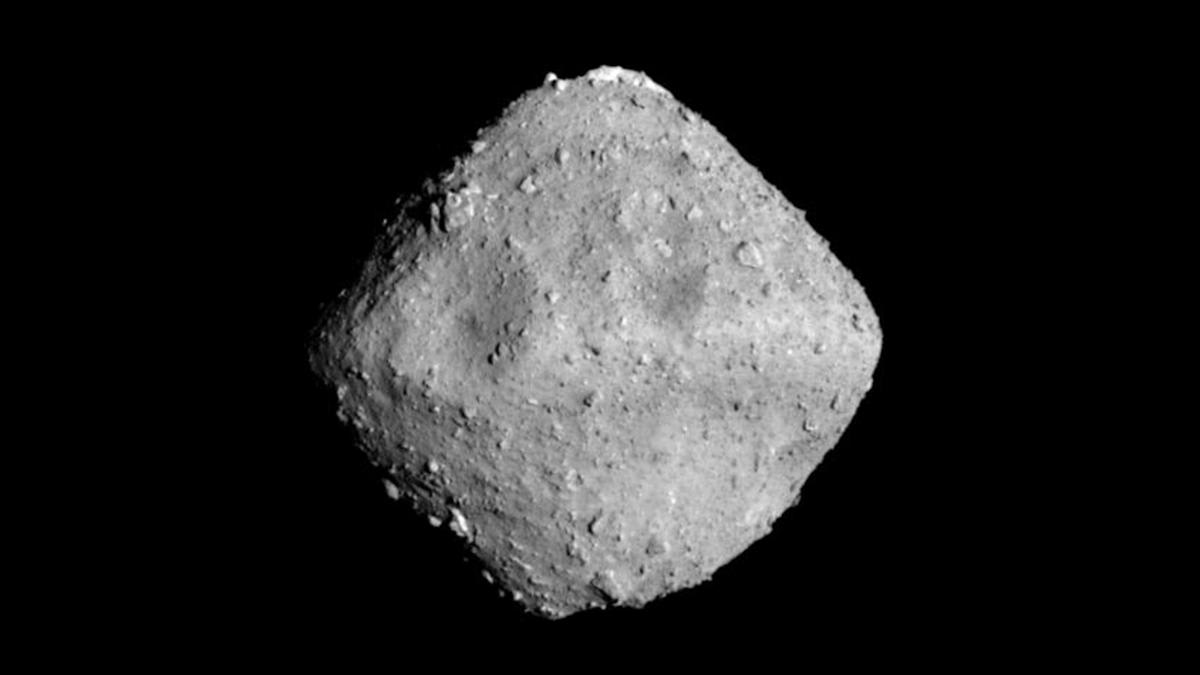
Six years after a Japanese spacecraft scooped dirt from an asteroid 180 million miles away, scientists just uncovered something remarkable: the complete set of ingredients needed to build DNA and RNA.
The samples came from asteroid Ryugu, collected in 2020 by Japan's Hayabusa2 space probe. Researchers found all five nucleobases (adenine, guanine, cytosine, thymine and uracil) that form the building blocks of genetic material.
These same compounds have now turned up in samples from another asteroid called Bennu, plus in meteorites that fell to Earth. The pattern suggests something exciting: these crucial molecules were common throughout the early solar system.
"Their presence indicates that primitive asteroids could produce and preserve molecules that are important for the chemistry related to the origin of life," said Toshiki Koga, the study's lead author from the Japan Agency for Marine-Earth Science and Technology. He emphasized this doesn't mean life existed on Ryugu itself, but rather that asteroids like it may have delivered life's ingredients to Earth.
The researchers also discovered ammonia in the samples. This chemical might play a key role in how these nucleobases originally formed in space.
Meanwhile, other scientists are tackling modern environmental challenges with microscopic helpers. Researchers in Germany identified three bacteria species that team up to digest common plastic additives called phthalate esters.
The bacterial trio (two Pseudomonas species and one Microbacterium) only work when collaborating together. They can completely break down certain plastics in just 24 hours at the right temperature, offering a potential new tool for cleaning up plastic pollution.
The team found these pollution fighters growing in their own lab, living on biofilm inside equipment tubing. When tested, the bacteria could handle several types of phthalates, chemicals that make plastics flexible but can harm human health and wildlife.
The Ripple Effect
These discoveries show how patient scientific investigation pays dividends. The asteroid samples traveled millions of miles and waited years to reveal their secrets. The plastic-eating bacteria were hiding in plain sight, working together in ways individual species couldn't manage alone.
Both findings offer hope: one helps explain our cosmic origins, while the other provides potential solutions for cleaning up the mess we've made here at home.
From understanding how life began to protecting the life we have now, science continues opening doors to a better future.
More Images

Based on reporting by Engadget
This story was written by BrightWire based on verified news reports.
Spread the positivity!
Share this good news with someone who needs it