DNA From Poop Helps Save World's Rarest Marsupial
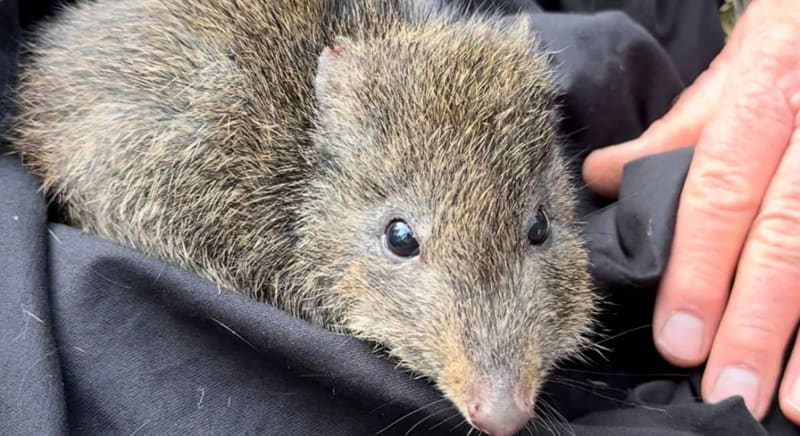
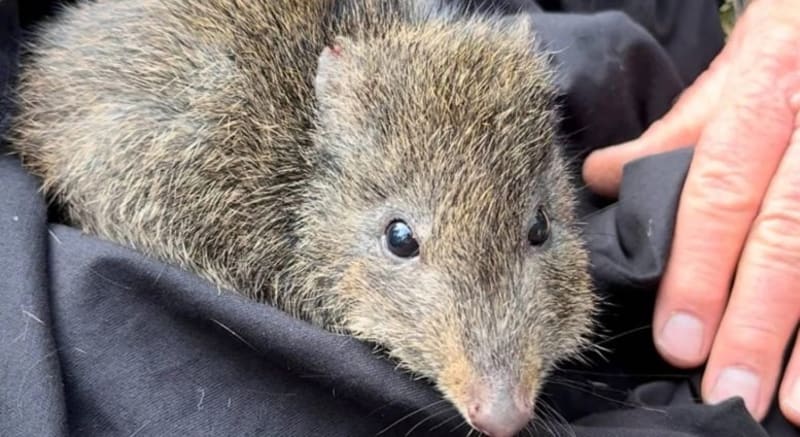
Scientists in Australia are using DNA from animal droppings to figure out what the critically endangered Gilbert's potoroo eats, a breakthrough that could save the species from extinction. With fewer than 150 individuals left in the wild, this research is helping experts find safe new homes for these picky eaters.
Imagine being so picky about food that it nearly drives your entire species to extinction. That's the challenge facing Gilbert's potoroo, the world's rarest marsupial, but scientists just found a clever way to help them survive.
Researchers at Edith Cowan University in Western Australia are studying the droppings of these tiny, fungi-loving marsupials to decode their diet. Fewer than 150 Gilbert's potoroos exist in the wild today, making every individual precious.
The team uses a technique called environmental DNA metabarcoding to analyze fresh scat samples from the wild. It sounds fancy, but the idea is simple: extract DNA from droppings to see exactly what the animals have been eating without disturbing them.
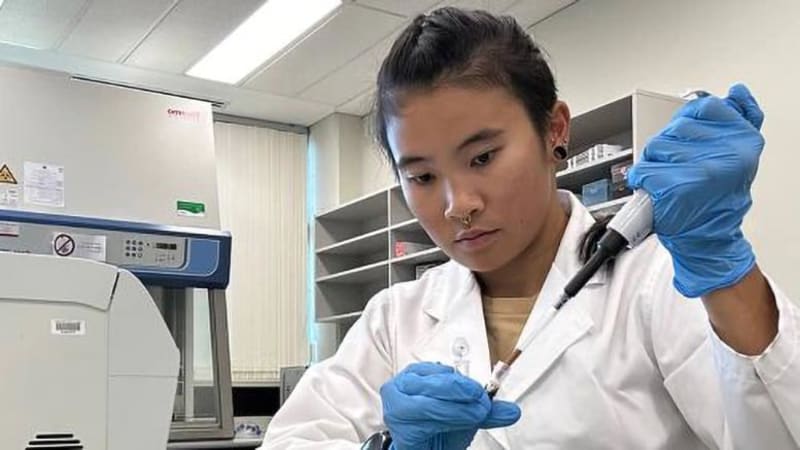
"Traditionally, researchers would go through undigested material in scats to study animal diets, but trying to identify fungal spores remained a challenge," explains PhD student Rebecca Quah. The new molecular approach solves that problem completely.
The researchers examined droppings from quokkas, quendas, and bush rats that share habitat with the potoroos. They discovered these more common animals eat similar fungi and use similar spaces, which gives scientists a roadmap for where potoroos might thrive.
Once thought extinct, Gilbert's potoroos were rediscovered in 1994 in Two Peoples Bay. Conservation efforts hit a major setback in 2015 when a bushfire destroyed 90 percent of their core habitat, but backup populations on Bald Island and in a protected park survived.
Breeding them in captivity failed because the potoroos are incredibly selective about their food. This makes finding the right wild locations for new populations absolutely critical.
The Ripple Effect
These small marsupials punch far above their weight in maintaining healthy ecosystems. As they dig for fungi, they turn over soil and spread fungal spores across the landscape, helping forests stay vibrant and resilient.
The fungi they eat form beneficial relationships with plant roots, making mycophagous (fungi-eating) mammals vital to forest health. Protecting potoroos means protecting entire ecosystems that countless other species depend on.
The research team is now using their findings to identify potential mainland sites for new potoroo populations. By looking for areas where quokkas, quendas, and bush rats thrive together, they can predict where potoroos will find the fungi they need.
With populations scattered across just four sites (two of them islands), establishing a new mainland home could be the insurance policy that keeps this species from vanishing forever. Sometimes saving the world's rarest animal starts with the most humble of clues.
More Images
Based on reporting by Google: species saved endangered
This story was written by BrightWire based on verified news reports.
Spread the positivity!
Share this good news with someone who needs it