DNA Testing Speeds Up Return of America's Lost Tree
Scientists can now predict which baby chestnut trees will survive the disease that nearly wiped out the species a century ago. The breakthrough could bring back a tree that once fed wildlife and shaped entire forests.
For the first time in over 100 years, American chestnut trees might actually return to eastern forests, and DNA testing is making it possible.
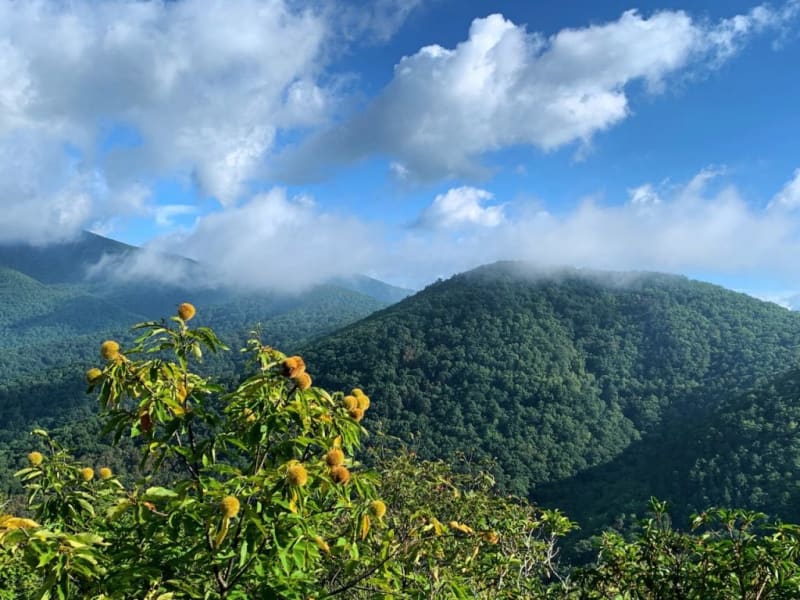
Virginia Tech researchers just showed they can identify disease-resistant chestnut seedlings using genomic tools, skipping the years of waiting to see which trees survive. The American chestnut once dominated forests from Maine to Mississippi, growing tall and fast while feeding countless birds and mammals with its nuts.
Then disaster struck in the early 1900s. A fungal disease from Asia swept through and killed billions of trees within decades, erasing the species from the wild almost completely.
Scientists have spent generations trying to breed the American chestnut with blight-resistant Asian chestnuts, but it's been painfully slow. Asian chestnuts survive the fungus but grow short and don't compete well in forests. American chestnuts grow beautifully but die from the disease.
The breakthrough published in Science changes everything. Researchers analyzed thousands of hybrid chestnut trees that had already gone through years of field testing, sequencing their genomes and matching genetic patterns with real-world disease outcomes.
"Instead of waiting years to see how a tree performs, we can use its DNA to predict resistance and make better decisions much earlier in the breeding process," said Jason Holliday, a Virginia Tech professor who co-authored the study.
The team can now predict which seedlings will inherit strong resistance from Chinese chestnut ancestors while keeping the tall, competitive growth of American chestnuts. The next generation is expected to be 75 percent American chestnut genetically while having twice the disease resistance of current trees.
The Ripple Effect
This isn't just about saving one tree species. The American chestnut was a keystone of eastern forests, and its return could reshape entire ecosystems.
The researchers also examined rare wild American chestnuts that somehow survived decades of infection. While these survivors pass on modest resistance to their offspring, the effect is too limited and inconsistent to restore the species alone.
By creating the most complete chestnut genomes to date, the team discovered that resistance involves many genes working together across the genome, not a single genetic switch. That complexity is exactly why DNA testing matters so much.
The American Chestnut Foundation expects the next generation of trees to start producing large quantities of seeds for forest restoration within the next decade. After a century of loss, that timeline feels remarkably hopeful.
Trees that once fed entire forests could soon grow tall again across Appalachia and beyond.
Based on reporting by Google News - Researchers Find
This story was written by BrightWire based on verified news reports.
Spread the positivity!
Share this good news with someone who needs it