DNA Tool Traces Trafficked Pangolins Back to Origin Forest
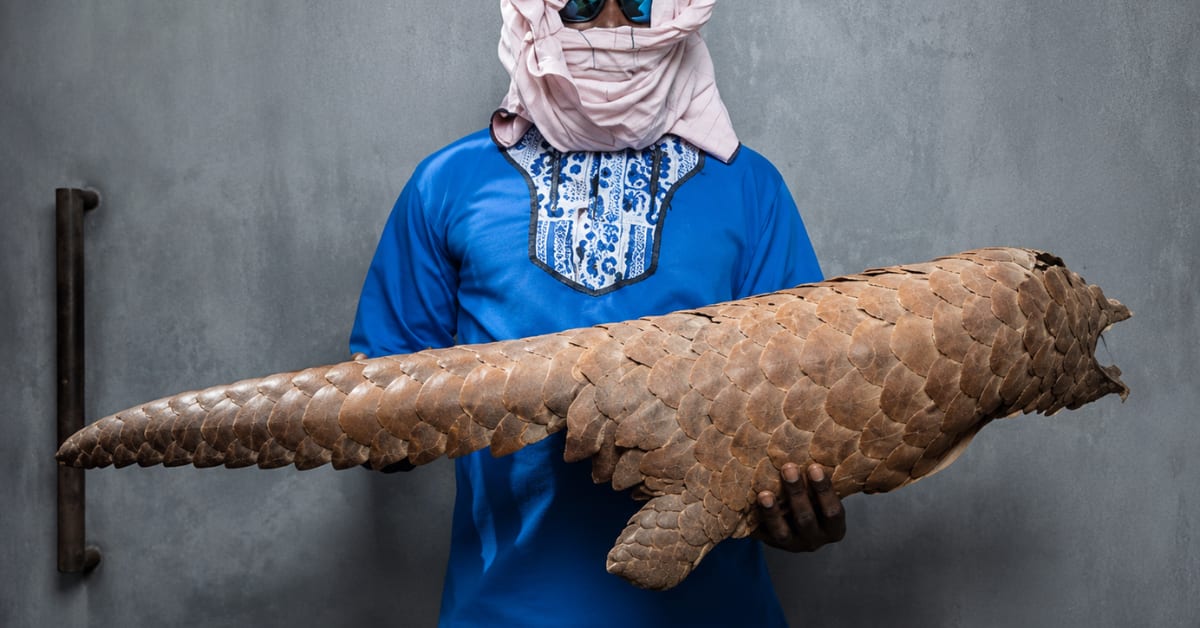
Scientists can now use DNA from seized pangolin scales to pinpoint the exact forest where the animal was poached, giving investigators a powerful new weapon against wildlife trafficking networks. For India, where over 8,600 pangolins have been seized since 1991 but only 1.4% of cases end in conviction, this breakthrough could finally help connect the dots.
Scientists can now trace a suitcase of seized pangolin scales back to the exact forest where the animal once lived, potentially reshaping the fight against one of the world's most secretive wildlife crimes.
A new international study published in PLOS Biology shows that DNA recovered from trafficked pangolins can map illegal wildlife trade routes with remarkable precision. French researchers developed a gene-capture technique that extracts usable DNA even from degraded scales, old museum specimens, and market remains.
The team analyzed over 700 pangolin samples from international trafficking seizures and built a genomic "reference map" for the species. Dr. Sean Heighton of the University of Toulouse says investigators can now trace trafficked pangolins "to within just a few kilometers" of their origin.
For India, the timing couldn't be more critical. The country has become both a source and transit point in a sprawling illegal trade network stretching from forests in Odisha, Chhattisgarh, and Maharashtra through Myanmar into China.
Between 1991 and 2022, Indian authorities seized an estimated 8,603 pangolins across 426 cases. Yet only 1.4% resulted in convictions.
These shy nocturnal mammals, often called "scaly anteaters," are hunted primarily for their keratin scales, which are illegally sold in traditional medicine markets despite zero scientific evidence supporting their use. The trade has become increasingly organized, with trafficking networks now resembling narcotics operations complete with middlemen, scouts, hidden transport compartments, and border corridors.
The Ripple Effect
A national pangolin genomic database could transform how Indian wildlife agencies conduct investigations. Instead of arresting only couriers or low-level handlers, investigators could map larger criminal supply chains by linking seized scales from different states back to the same trafficking syndicates.
Authorities currently struggle to connect separate seizures or prove where confiscated scales originated. Cases frequently collapse due to weak forensic evidence, poor documentation, and prosecution delays.
The DNA tracing tool could help identify repeated poaching zones across India's forests and northeastern border states, which have emerged as key links in the trafficking chain. Research shows pangolin scales frequently move through Myanmar before entering Chinese wildlife markets.
Unlike elephants or tigers, pangolins disappear without much public attention. But this new forensic breakthrough gives them something they've never had before: a way to speak from beyond the grave, revealing exactly where they came from and helping investigators shut down the networks that killed them.
The science is ready. Now it's up to wildlife agencies to build the databases and use this tool to finally turn the tide against pangolin trafficking.
More Images
.png)
%2Fenglish-betterindia%2Fmedia%2Fmedia_files%2F2026%2F06%2F03%2Fpangolin-2026-06-03-18-02-52.png)
%2Fenglish-betterindia%2Fmedia%2Fmedia_files%2F2025%2F11%2F20%2Fwild-at-heart-banner-image-microsite-banner-2025-11-20-16-17-04.jpg)

Based on reporting by The Better India
This story was written by BrightWire based on verified news reports.
Spread the positivity!
Share this good news with someone who needs it