DNA Tracing Pinpoints Pangolin Poaching Hotspots
Scientists can now trace trafficked pangolins back to their origins within just a few kilometers using DNA from degraded samples. The breakthrough method is helping authorities identify poaching hotspots and dismantle illegal wildlife trade networks.
Scientists have developed a powerful new weapon against wildlife trafficking that can trace poached animals back to their origins with pinpoint accuracy.
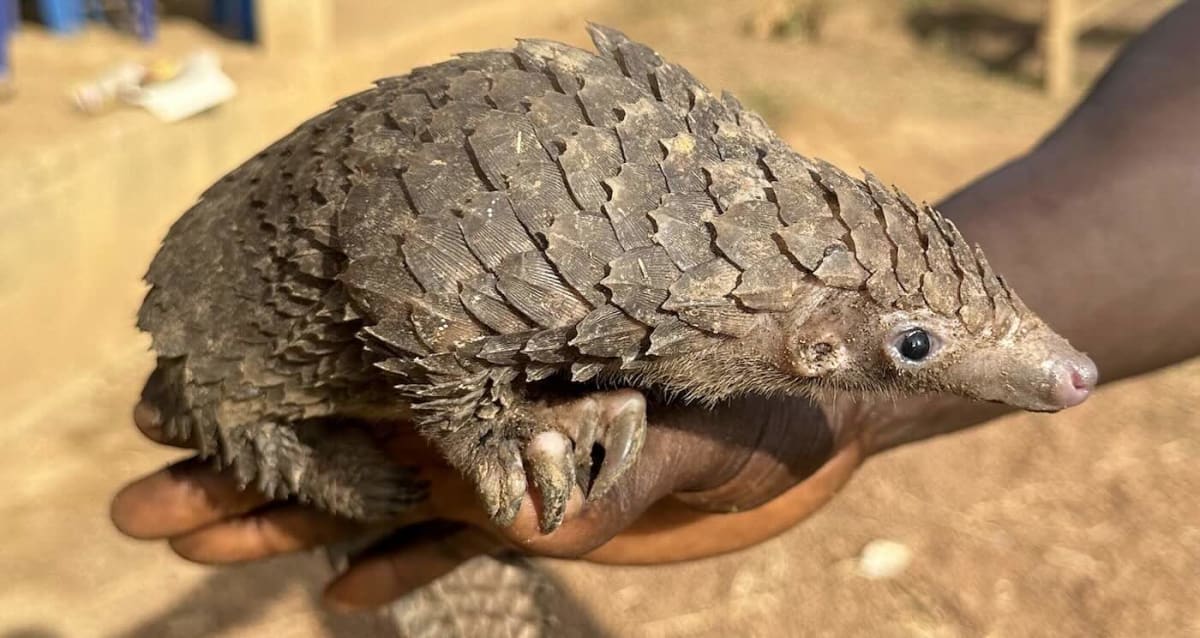
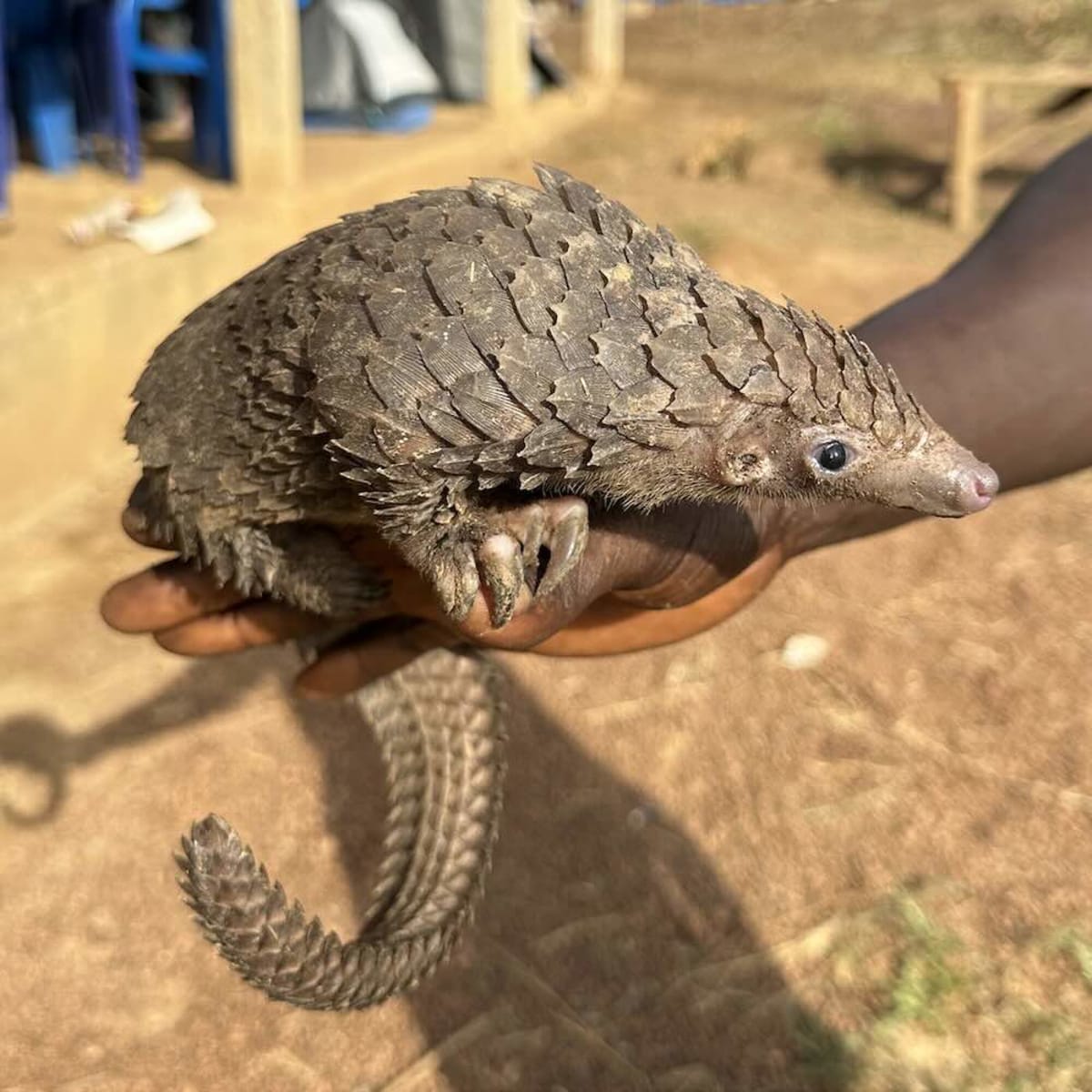
Researchers at the University of Toulouse created a DNA tracing method that works even with degraded samples from pangolins, one of the world's most trafficked mammals. The breakthrough allows them to identify where a pangolin was captured, sometimes within just a few kilometers.
The team analyzed DNA from more than 700 pangolin samples collected from international trade seizures, museum collections, bushmeat markets, and wild populations. By comparing trafficked animals to genetic data from known locations, they built a detailed "reference map" that reveals exactly where poachers are operating.
The findings, published in PLOS Biology, identified several major poaching hotspots including southwest Cameroon, Myanmar, and multiple locations across Africa. The data also mapped major trade routes for three pangolin species that cross between China's borders and Indonesian islands.
Dr. Sean Heighton, who led the research, says the precision is remarkable. The genetic evidence shows how domestic and international pangolin markets overlap in the same source regions, revealing a connected supply chain rather than separate operations.
The Ripple Effect
This technique does more than just solve crimes after they happen. Conservation teams can now direct their limited resources toward the specific locations where poaching pressure is highest, making protection efforts far more effective.
The method works across all eight pangolin species and requires only tiny samples, making it practical for real-world use. One gene-capture kit handles everything, whether testing fresh samples or specimens that have been sitting in museums for decades.
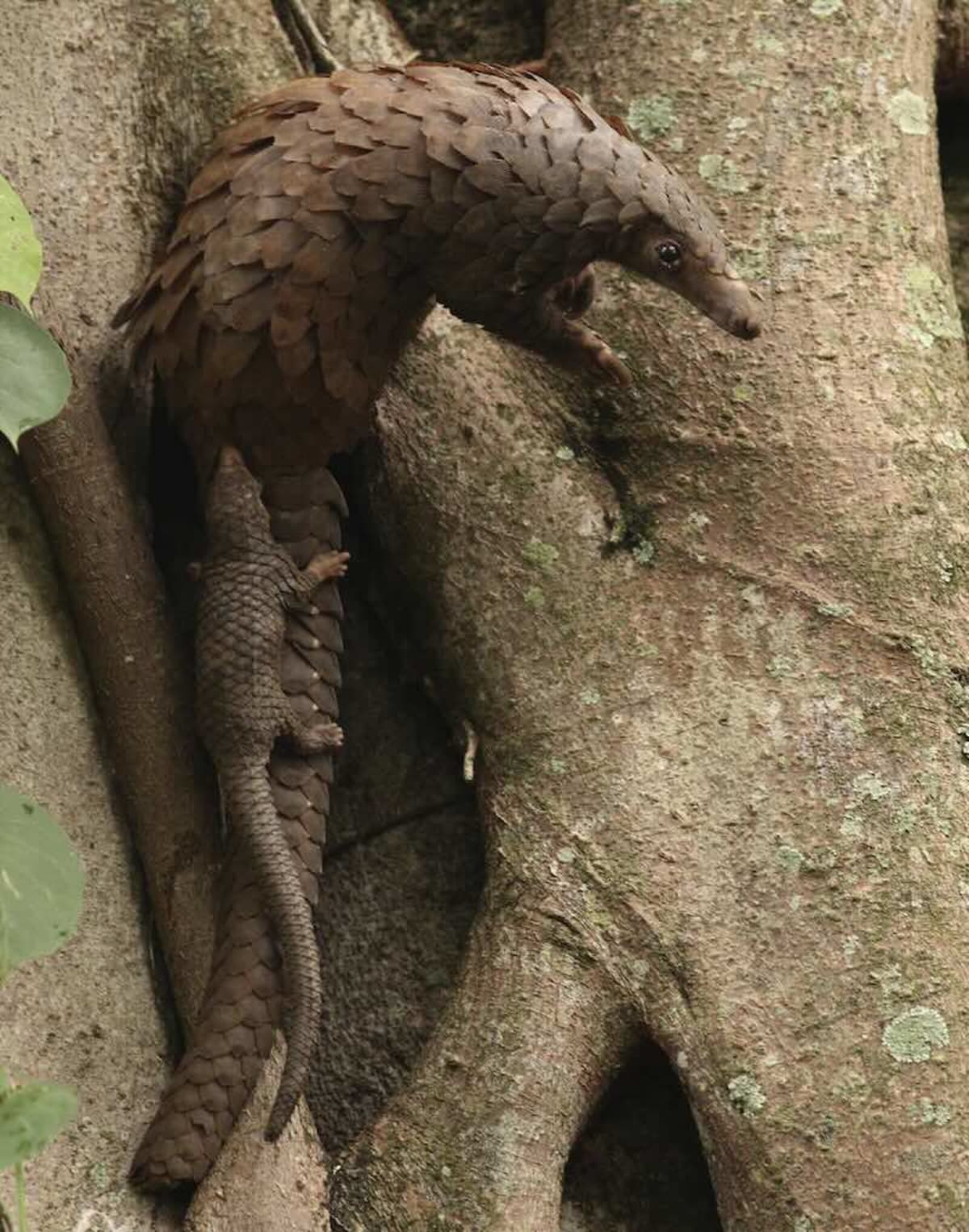
Pangolins face especially steep odds because they produce just one pup every one to two years. That slow reproduction rate makes every animal lost to trafficking a serious blow to wild populations.
The research team believes this approach has huge potential for tracking other trafficked species beyond pangolins. They're calling for standardized genetic sampling protocols and shared databases that would help authorities worldwide connect the dots on illegal wildlife trade networks.
By turning genetic science into a practical enforcement tool, these researchers are giving wildlife protectors the intelligence they need to stay one step ahead of poachers.
More Images


Based on reporting by Good News Network
This story was written by BrightWire based on verified news reports.
Spread the positivity!
Share this good news with someone who needs it