DNA Treatment Cuts Cholesterol 47% With Single Shot
Scientists developed a DNA-based therapy that slashed cholesterol levels nearly in half with just one injection in mice. The treatment offers hope for millions who struggle with statins or need better options to prevent heart disease.
Imagine lowering your cholesterol by almost half with a single shot instead of taking daily pills that cause muscle pain. Scientists at the University of Barcelona and University of Oregon just made that possibility a step closer to reality.
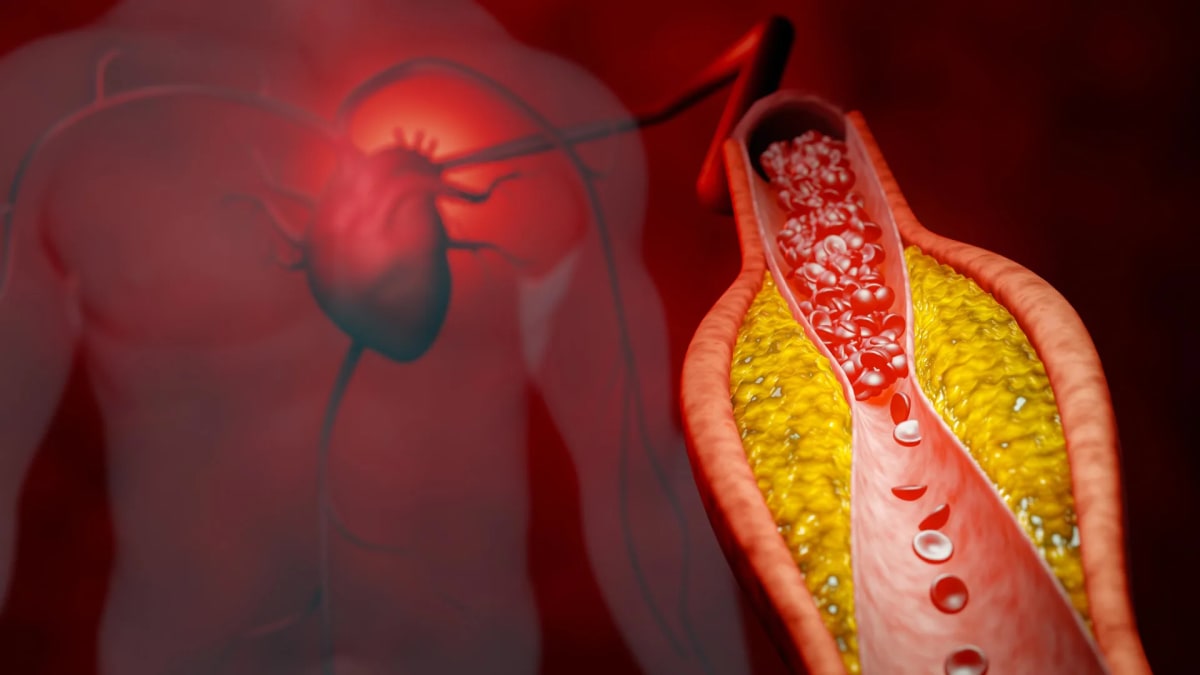
The researchers created a new DNA-based treatment that reduced cholesterol by 47% in mice after just one injection. Unlike statins, which millions of people struggle to tolerate because of side effects like muscle aches, this approach targets a specific protein called PCSK9 that controls cholesterol levels in the blood.
Here's how it works. Your cells have receptors that pull bad cholesterol out of your bloodstream, like tiny vacuums cleaning up a mess. PCSK9 interferes with those vacuums, leaving more cholesterol circulating where it can clog arteries and cause heart attacks or strokes.
The new therapy uses specially designed DNA molecules called polypurine hairpins that tell your body to make less PCSK9. With less of that interfering protein around, your cells can capture and remove more cholesterol naturally.
Professor Verònica Noé reports that their strongest molecule, called HpE12, reduced PCSK9 protein levels by 87% in human liver cells. In mice genetically engineered to mimic human cholesterol metabolism, the same treatment cut plasma cholesterol by 47% within three days.
The timing couldn't be better. Heart disease remains the leading cause of death worldwide, and high cholesterol silently damages arteries for years before symptoms appear. Many patients can't take statins because of side effects, while others need additional help beyond what statins provide.
The Bright Side
Several cholesterol drugs already target PCSK9, but they're expensive or require frequent injections. The research team believes polypurine hairpins offer practical advantages including lower production costs, better stability, and less chance of triggering immune reactions.
Professor Carles J. Ciudad emphasizes another benefit: "Such a PPRH-based approach against PCSK9 would not lead to side effects such as the myopathies associated with statin therapy." That means potentially helping the millions who experience muscle pain and weakness from current medications.
The treatment is still early in development. These results came from mice, so researchers need to confirm the therapy works safely in people before it reaches patients. But the dramatic cholesterol drop from a single injection suggests the approach has real promise.
The findings appeared in the journal Biochemical Pharmacology, supported by research grants from Spain's Ministry of Science and the U.S. National Institutes of Health. If future human trials succeed, this DNA-based therapy could join a growing toolkit of options to protect hearts and save lives.
For now, millions of people managing high cholesterol have one more reason to stay hopeful about better treatments on the horizon.
Based on reporting by Google News - New Treatment
This story was written by BrightWire based on verified news reports.
Spread the positivity!
Share this good news with someone who needs it