Doctor Brings 11 Years of Rural Healthcare to Research
A Ghanaian physician spent over a decade delivering medical care to remote cocoa farming communities, then transformed what he learned into groundbreaking research on health inequality. His work shows why the best healthcare solutions come from people who've actually seen the problem up close.
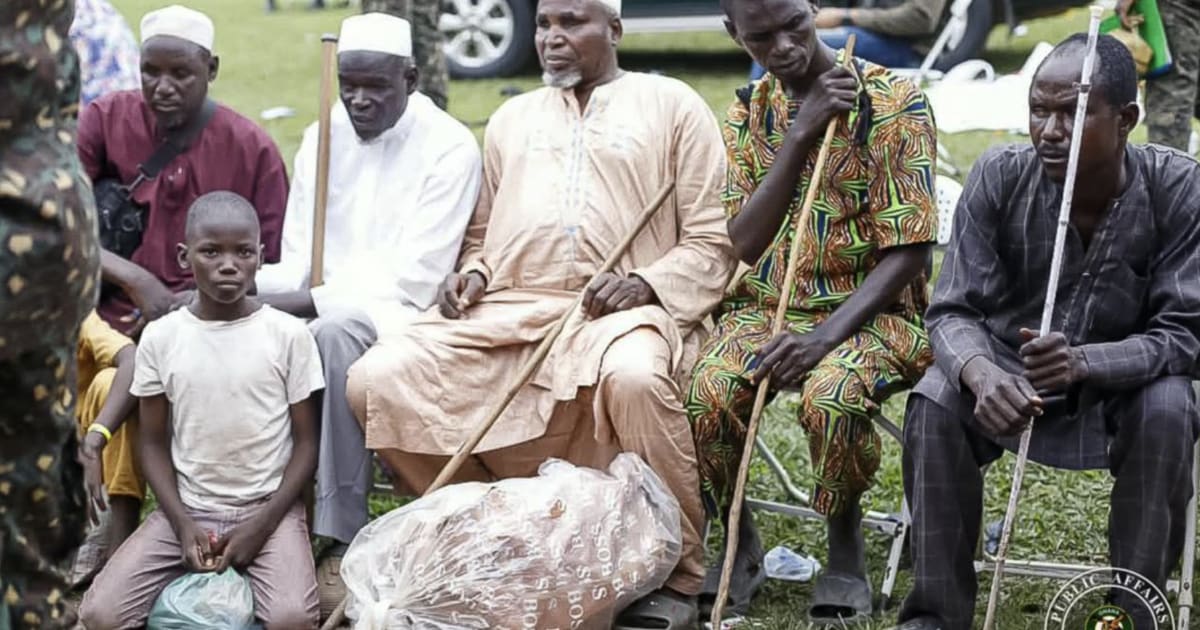
Valentine Golden Ghanem doesn't just study health disparities from behind a desk. For eleven years, he's traveled to Ghana's most isolated cocoa farming villages, setting up temporary clinics where no permanent healthcare exists.
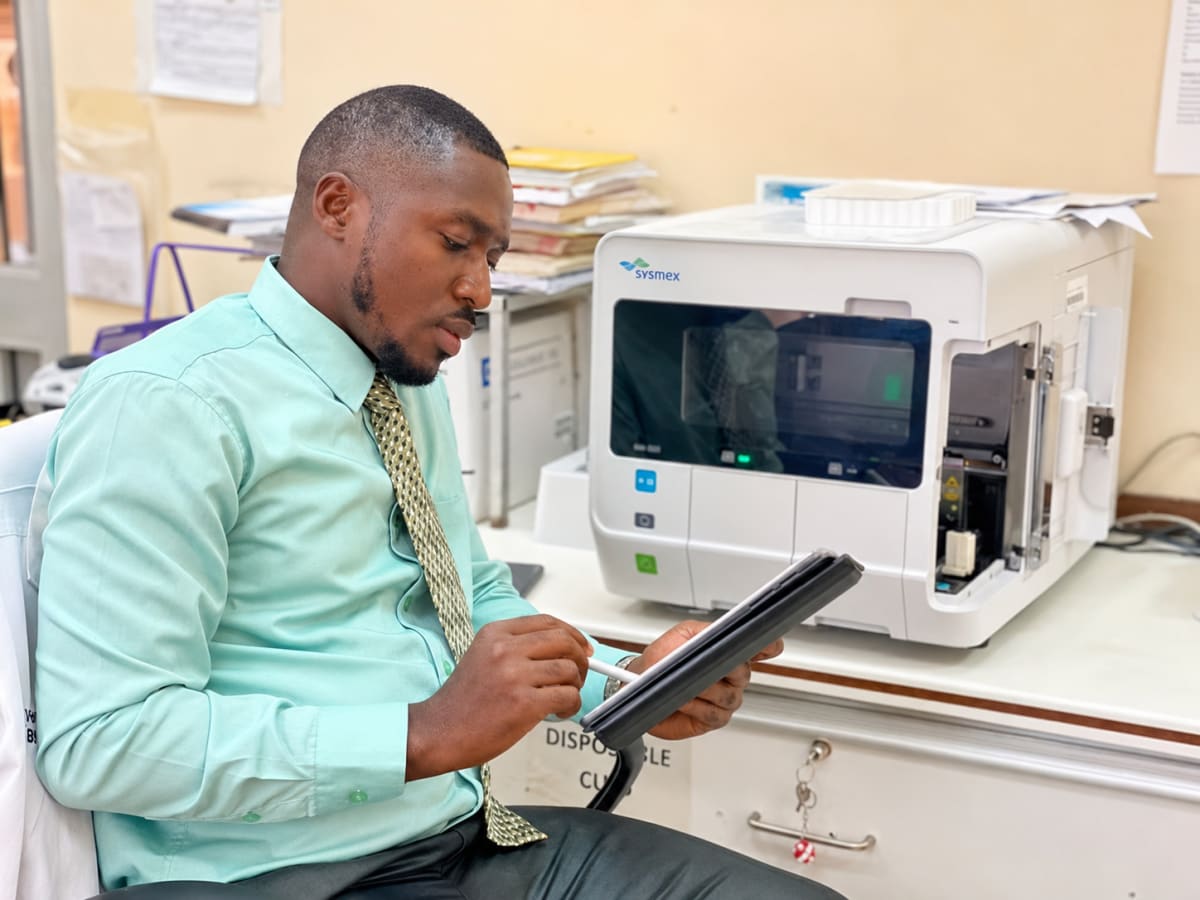
As a clinical leader at Accra's Cocoa Clinic, Ghanem could have stayed comfortable in the city. Instead, he joined Ghana Cocoa Board's medical outreach missions, bringing diagnostic screenings and disease surveillance to families who would otherwise go without care.
The work meant seeing realities that datasets never capture. Ghanem met patients diagnosed with late-stage HIV not because they ignored symptoms, but because the nearest clinic was hours away. He watched people drop out of life-saving treatment programs, not from carelessness, but because collecting medication meant losing a day's wages and paying for transport they couldn't afford.
These frontline experiences shaped his recent research published in the International Journal of Medical and Health Research. Ghanem reviewed a decade of HIV treatment studies across sub-Saharan Africa, examining why effective medications don't always translate to saved lives.
His findings challenge the common narrative that blames patients for treatment failures. The research identifies three systemic barriers that drive mortality: delayed diagnosis due to limited access, social stigma that prevents people from seeking testing, and geographic isolation that makes consistent care nearly impossible.
When someone in a remote village misses their medication cycle, Ghanem's research shows it's usually a rational response to an impossible situation. The health system has failed to account for the real costs of rural patients getting care.
Why This Inspires
Ghanem's career proves that meaningful medical research starts with listening to the communities you're trying to help. By spending thousands of hours in villages without reliable healthcare, he gained insights no amount of data analysis alone could provide.
His approach offers a blueprint for more effective public health work. When researchers stay connected to the people behind the statistics, they design solutions that actually work in the real world, not just in theory.
Ghana's most vulnerable communities now have an advocate who understands both their daily struggles and the academic language needed to drive policy change. That combination of ground-level experience and scholarly rigor is exactly what modern healthcare needs more of.
Based on reporting by Myjoyonline Ghana
This story was written by BrightWire based on verified news reports.
Spread the positivity!
Share this good news with someone who needs it