Doctor's Mobile Clinic Treats 12,000 in Rural India
A neurologist in India drives to remote villages with free stroke and epilepsy care, breaking stigmas one patient at a time. Since 2013, her Neurology on Wheels program has screened 12,000 people across 44 villages.
When parents started crowding around Dr. Bindu Menon at her daughter's school in 2008, asking about strokes and seizures, she realized something troubling. People believed neurological conditions meant a life sentence of suffering.
The questions kept coming. Parents thought stroke patients would never walk again. Families whispered that people with epilepsy couldn't marry or live normal lives. These weren't just misconceptions. They were barriers keeping sick people from getting help.
Dr. Menon, a neurologist in Andhra Pradesh, India, decided to meet people where they were. She started giving talks at schools and colleges, explaining that many brain conditions are treatable. But awareness campaigns weren't enough for the poorest villages around Nellore district.
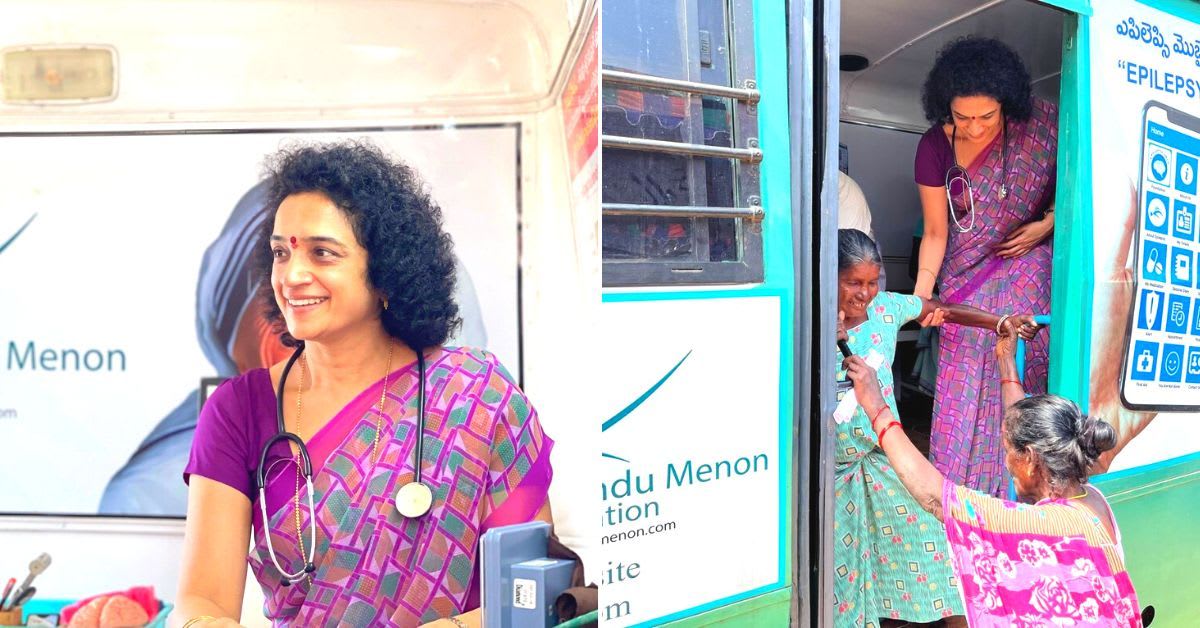
In 2013, she launched Neurology on Wheels through her foundation. The concept is beautifully simple: pack up medical supplies, drive to remote villages, and offer free screenings and treatment. No appointments needed. No bills to pay.
The mobile clinic travels to areas where neurologists never visit. Her team screens patients for common conditions, provides counseling, distributes free medication, and refers serious cases to nearby health centers. For many villagers, it's their first conversation with a brain specialist.
The numbers tell a powerful story. Across 200 medical camps in 44 villages, Dr. Menon has screened 12,000 people. Her team detected 140 stroke patients, 105 with epilepsy, 361 with hypertension, and 133 with diabetes who weren't receiving any treatment.
She didn't stop at mobile clinics. In 2016, Dr. Menon created an app called Epilepsy Help that alerts families during seizures. When the pandemic hit, she built another app connecting stroke patients to doctors remotely. Her latest project, EDuWAND, teaches women about neurological diseases so they can recognize warning signs in their families.
Why This Inspires
Dr. Menon grew up in Bhopal, not in a medical family but with a heart for service. As a child, she knocked on doors collecting donations for elderly people in need. That same instinct drives her now, just with a medical degree and a van full of supplies.
She works as a professor and department head at Apollo Specialty Hospitals in Nellore. The mobile clinics happen alongside her regular job, powered by volunteers who believe access to brain care shouldn't depend on your zip code.
The real victory isn't just in the treatments. It's in changing minds. When villagers see epilepsy patients living full lives with proper medication, old stigmas start to crumble. When stroke survivors get therapy early and regain movement, families stop seeing brain injuries as hopeless.
Healthcare on wheels is bringing hope to places that maps sometimes forget.
More Images

%2Fenglish-betterindia%2Fmedia%2Fpost_attachments%2Fuploads%2F2023%2F03%2FDr-Bindu-Menon-Foundation-Feature-Image-2-1678458456.jpg)

%2Fenglish-betterindia%2Fmedia%2Fpost_attachments%2Fuploads%2F2023%2F03%2FDr-Bindu-Menon-Foundation-Feature-1678458680.jpg)
Based on reporting by The Better India
This story was written by BrightWire based on verified news reports.
Spread the positivity!
Share this good news with someone who needs it