DOE Funds AI Mission to Double U.S. Research Impact
America's national labs just got a major AI upgrade that could transform how we discover new medicines, clean energy, and advanced materials. The Genesis Mission aims to double research productivity within a decade by connecting supercomputers, AI systems, and experimental facilities across the country.
The U.S. Department of Energy just launched an ambitious plan to supercharge scientific discovery using artificial intelligence, and Argonne National Laboratory is leading the charge.
The Genesis Mission represents a nationwide effort to link America's most powerful supercomputers, experimental facilities, AI systems, and scientific datasets into one integrated platform. The goal is bold: double the productivity and impact of American research and innovation within ten years.
Argonne received funding to lead the Transformational AI Models Consortium, which will build self-improving AI models using DOE's unique combination of data, facilities, and expertise. Rick Stevens, associate laboratory director at Argonne, heads up this cornerstone initiative that brings together scientists from national labs across the country.
The projects funded span an impressive range of challenges. Scientists will use AI to understand how fusion reactor materials hold up under intense radiation, a critical step toward clean fusion energy. Another team is building an AI "co-scientist" to help discover and design enzymes much faster than traditional trial-and-error methods, which could revolutionize bio-manufacturing.
One particularly exciting project applies the AlphaFold approach to microelectronics. Just as AlphaFold transformed biology by predicting protein structures, this new AI framework will predict how tiny flaws develop inside materials and affect device performance.
Other teams are developing AI tools that combine X-ray measurements, neutron data, and physics simulations to discover how catalytic reactions work. Materials scientists will use AI to understand how materials wear down and even self-heal at the nanoscale level.
The Ripple Effect
The Genesis Mission's integrated approach means breakthroughs in one field can accelerate progress in others. AI models trained on fusion materials data might unlock insights for microelectronics. Enzyme discovery tools could inform catalyst development. By connecting diverse datasets and facilities through the American Science Cloud, scientists gain access to computational resources and expertise that would be impossible to build alone.
High-energy physics experiments will benefit from AI frameworks that modernize data quality monitoring, helping researchers spot new physics insights hidden in legacy datasets. Structural biology gets a standardized, AI-ready data framework that makes it easier to share and analyze imaging data across facilities.
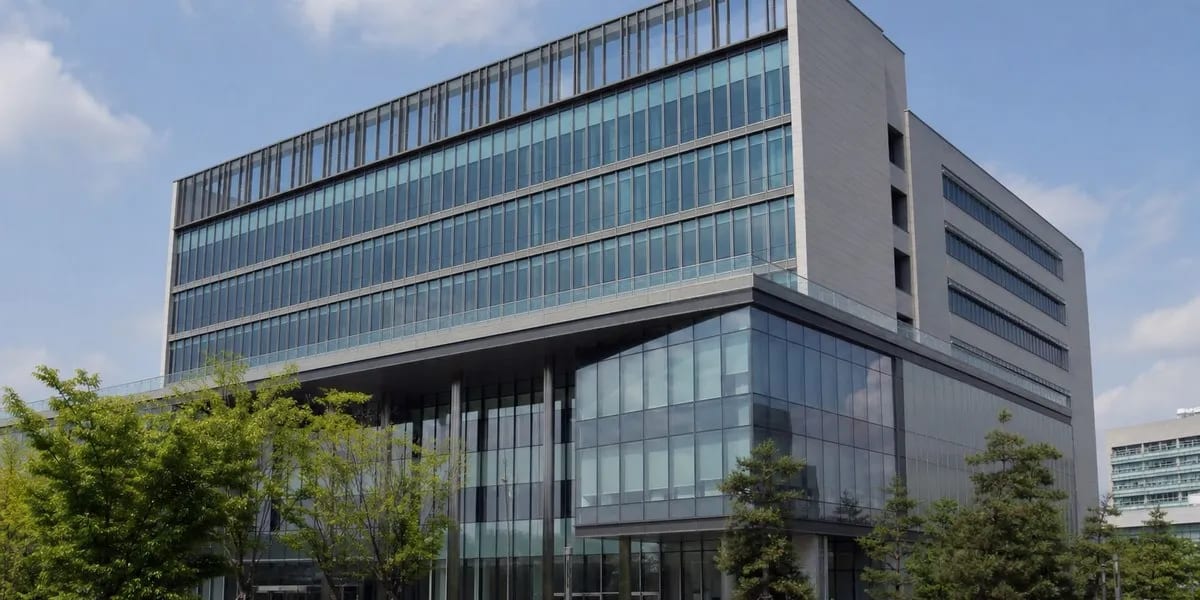
Argonne's Leadership Computing Facility, a DOE Office of Science user facility, provides the computing muscle supporting Genesis Mission research projects. Scientists gathered at Argonne for hands-on working sessions, tackling complex challenges in science and engineering together.
This investment represents more than faster computers or smarter algorithms—it's about reimagining how American scientists collaborate, share data, and build on each other's discoveries to solve humanity's biggest challenges.
Based on reporting by Google: scientific discovery
This story was written by BrightWire based on verified news reports.
Spread the positivity!
Share this good news with someone who needs it