DOE Invests in AI to Double Research Impact by 2035
America's top science labs just received major funding to build AI systems that could revolutionize how we discover new materials, medicines, and clean energy solutions. The Genesis Mission aims to double research productivity within a decade by connecting supercomputers, AI, and experimental facilities nationwide.
Scientists at Argonne National Laboratory just got the green light to lead one of the most ambitious research projects in American history, and it could accelerate breakthroughs in everything from clean energy to life-saving medicines.
The U.S. Department of Energy awarded funding for more than a dozen projects at Argonne that will use artificial intelligence to speed up scientific discovery. These aren't small upgrades. We're talking about AI systems that act as "co-scientists," helping researchers solve problems that would take years using traditional methods.
At the heart of this effort is the Genesis Mission, a national initiative to connect America's best supercomputers, experimental facilities, and AI systems into one integrated platform. The goal is bold: double the productivity and impact of American research within a decade.
Argonne will lead the Transformational AI Models Consortium, which brings together scientists from across the country to build self-improving AI models. Think of it as creating really smart digital assistants that get better at solving scientific problems over time.
The projects receiving funding tackle real-world challenges. One team is developing an AI system to discover new enzymes faster, which could lead to cleaner manufacturing processes. Another is using AI to understand how materials inside fusion reactors break down, bringing us closer to unlimited clean energy.
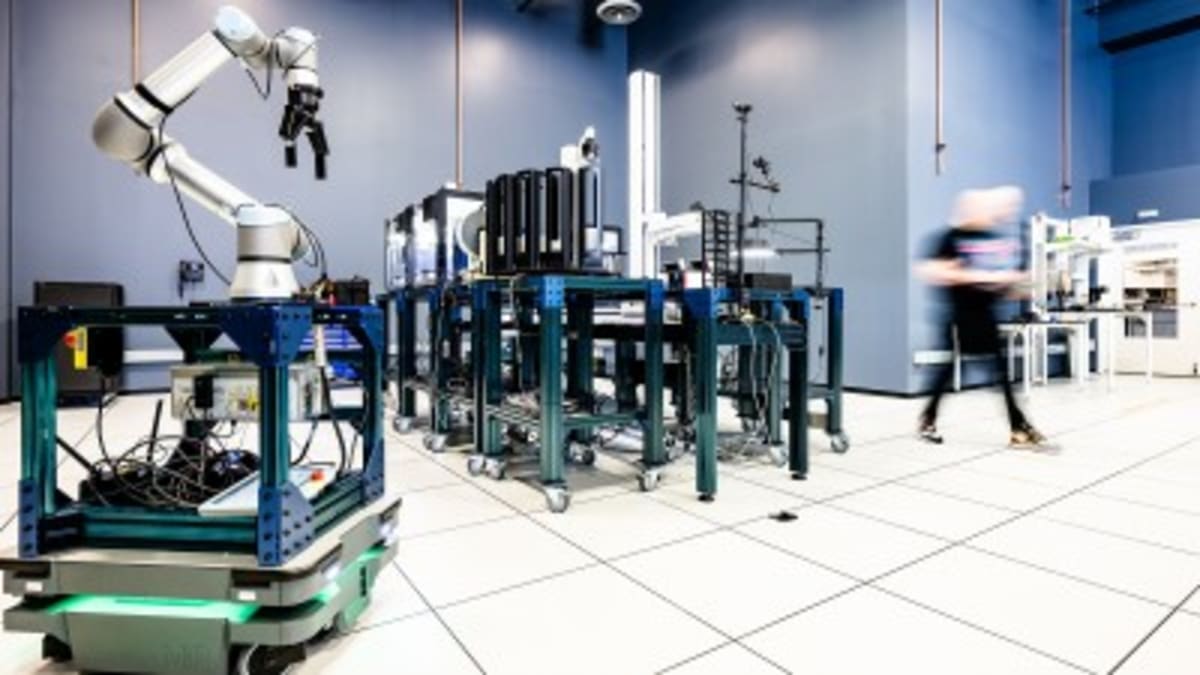
Researchers are also building automated laboratories where AI and robotics work alongside human scientists. These smart labs could run experiments around the clock, testing hypotheses and gathering data while scientists focus on the creative problem-solving that only humans can do.
One particularly exciting project aims to create an AI research planner for materials science. It would break down complex scientific questions into actionable steps, then coordinate specialized AI agents to tackle each piece. The framework grounds AI predictions in real-world data, ensuring the insights are practical and reliable.
The Ripple Effect
This investment represents more than just faster research. It's about democratizing scientific discovery across America's national laboratories.
By creating standardized data frameworks and shared AI tools, scientists at different facilities can collaborate more easily. A breakthrough in biology at one lab could inform materials research at another. Knowledge flows faster. Problems get solved quicker.
The automated laboratories and AI assistants could also help address the scientist shortage in specialized fields. Younger researchers will have powerful tools at their fingertips from day one, letting them contribute to major discoveries earlier in their careers.
Perhaps most importantly, these AI systems will help us tackle urgent challenges like climate change and disease faster than ever before. When you're racing against time, doubling research productivity isn't just impressive. It's potentially world-changing.
The Genesis Mission shows what's possible when we invest in both cutting-edge technology and the brilliant people who know how to use it for good.
Based on reporting by Google: scientific discovery
This story was written by BrightWire based on verified news reports.
Spread the positivity!
Share this good news with someone who needs it