Dog Aging Study Could Help Pets and People Live Longer
Scientists studying 50,000 dogs are unlocking secrets to help our furry friends live healthier, longer lives. The research might also help humans fight age-related diseases.
What if the key to helping both dogs and people live longer, healthier lives was hiding in plain sight at your local dog park?
Since 2018, the Dog Aging Project has been studying more than 50,000 dogs to understand how they age and how we might slow that process down. But researchers aren't just focused on adding years to dogs' lives. They're working to add life to those years.
The team draws a critical distinction between lifespan and healthspan. Lifespan counts total years lived, while healthspan measures years lived in good health. Their mission is maximizing the quality of those years, not just the quantity.
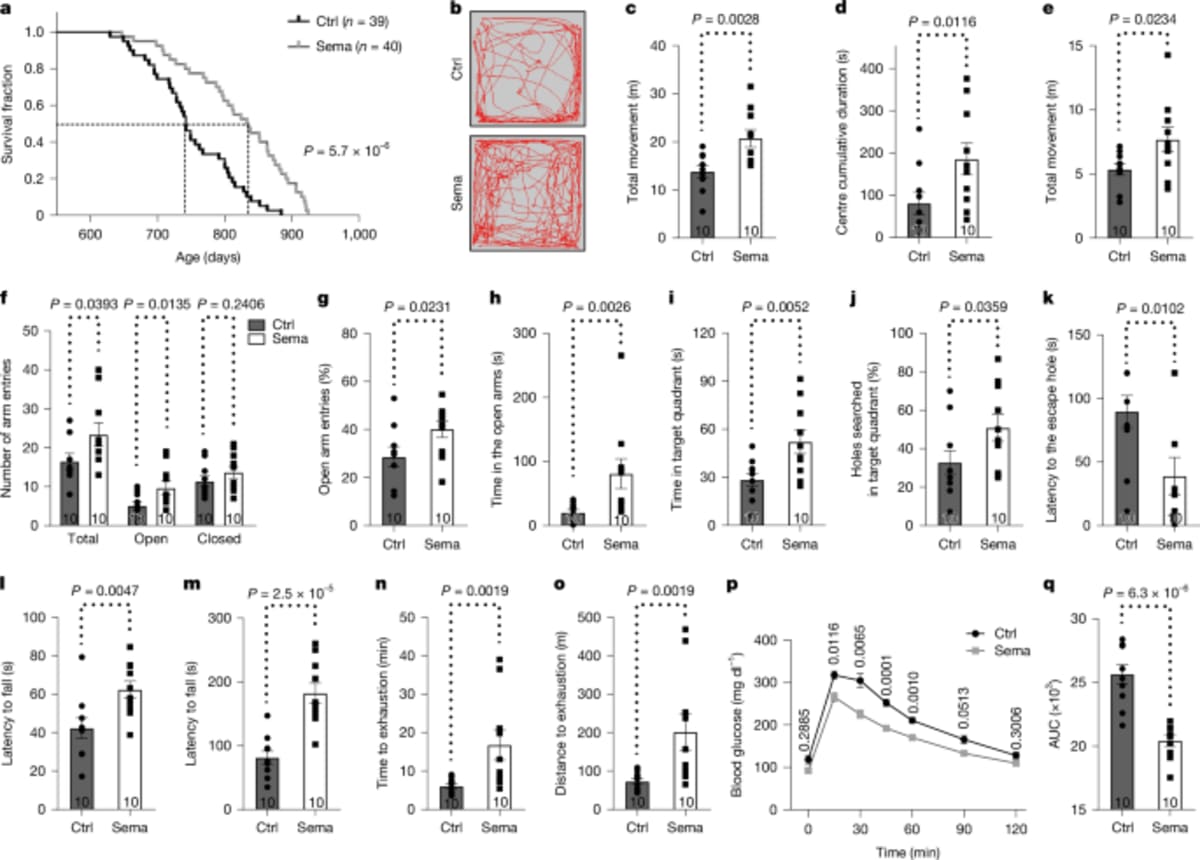
The project's most exciting trial tests whether rapamycin, a compound that extends mice lifespans, could do the same for dogs. Lead researcher Kate Creevy has already completed two smaller studies showing dogs tolerate the medication well without serious side effects. Now the nationwide TRIAD study aims to enroll 580 dogs across 20 clinical trial sites.
Scientists have been testing rapamycin in people for years with promising results. The medication appears to improve immune function, heart health, and even skin, hair, and nail quality in people with age-related diseases.
The Ripple Effect
Dogs offer a unique window into human aging because they share our environment and have access to sophisticated veterinary care, yet age much faster than we do. Dr. Daniel Promislow, a principal researcher funded by the National Institute on Aging, explains this makes dogs perfect subjects for identifying genetic, environmental, and lifestyle factors that influence healthy aging.
The lessons learned from our canine companions could transform how we approach aging in both species. Researcher Matt Kaeberlein notes that while aging remains immensely complicated at molecular and biochemical levels, science has made great strides. We now have multiple interventions that could significantly delay aging and age-related diseases in dogs and people.
The research continues today, bringing us closer to a future where both you and your best friend might enjoy more healthy years together.
More Images


Based on reporting by Good Good Good
This story was written by BrightWire based on verified news reports.
Spread the positivity!
Share this good news with someone who needs it