Dog Detects Owner's Lung Cancer Before Doctors Could
A German Shepherd's obsessive sniffing behavior led her owner to discover stage one lung cancer. Scientists are now using AI to recreate dogs' cancer-detecting abilities.
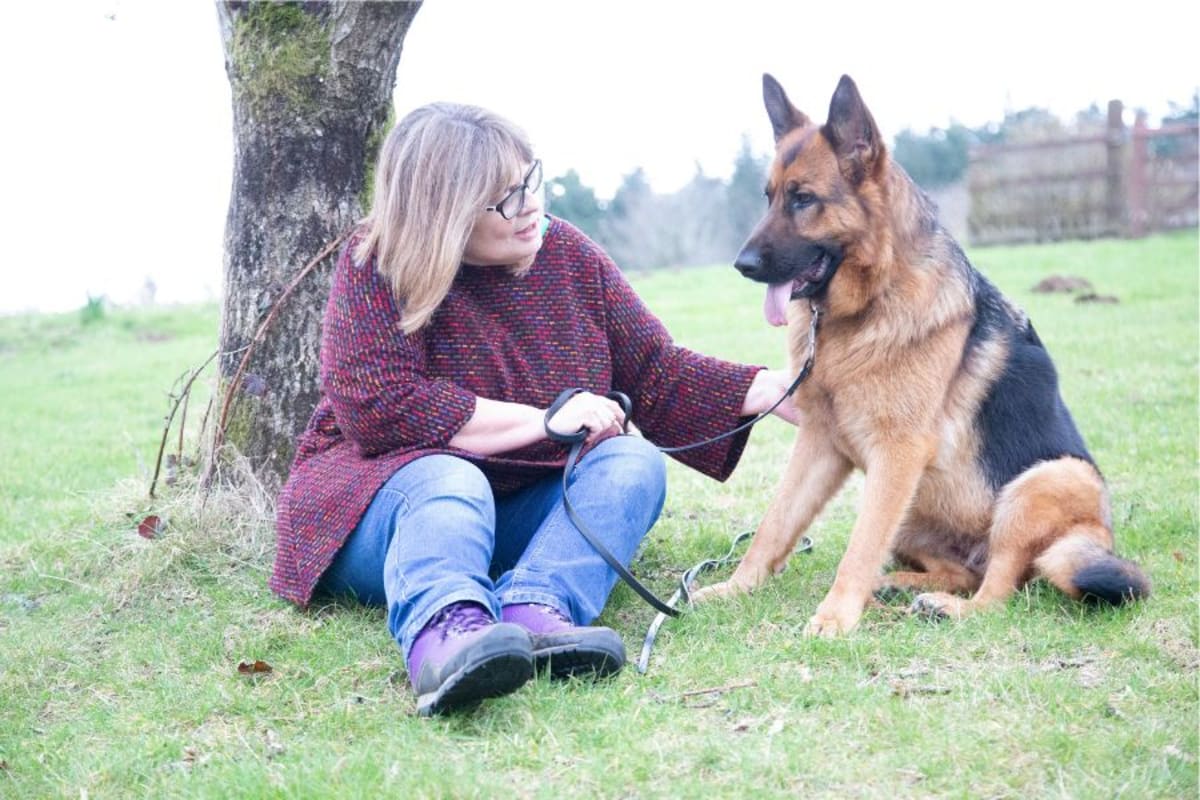
When Inca wouldn't stop sniffing her owner's breath and frowning, Colleen Ferguson knew something was seriously wrong.
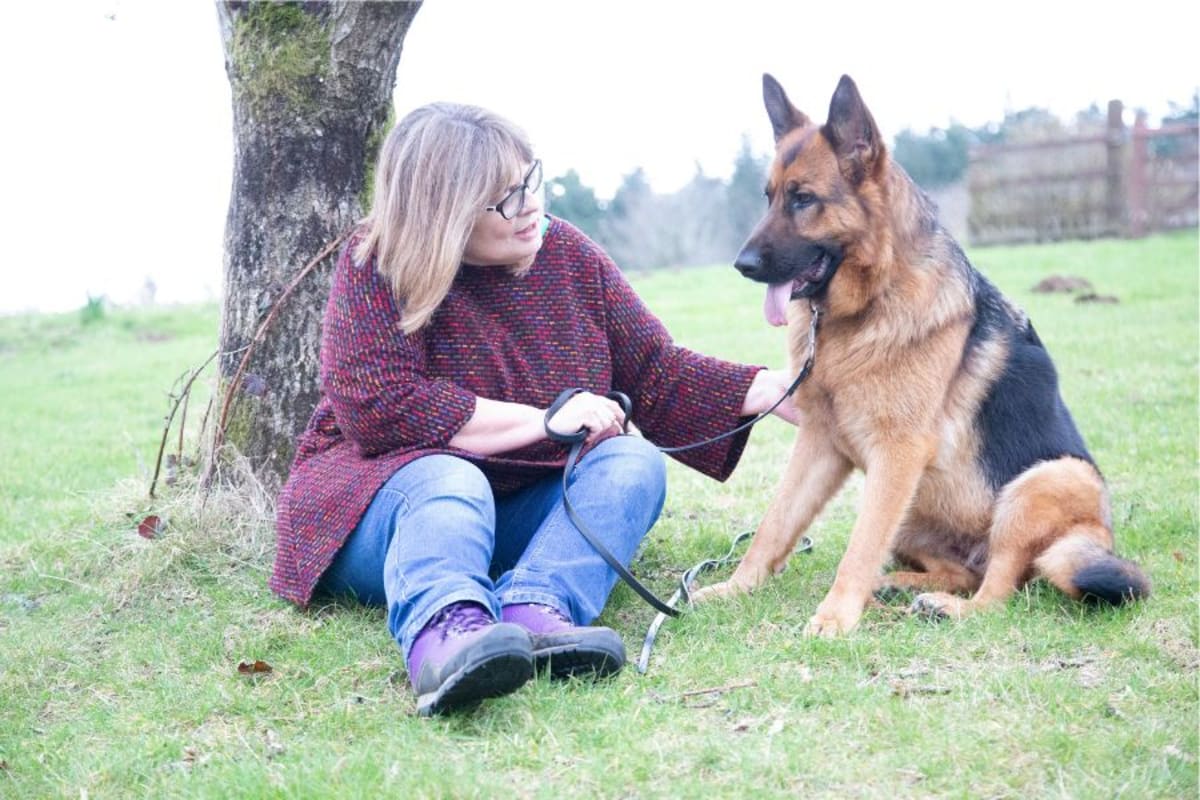
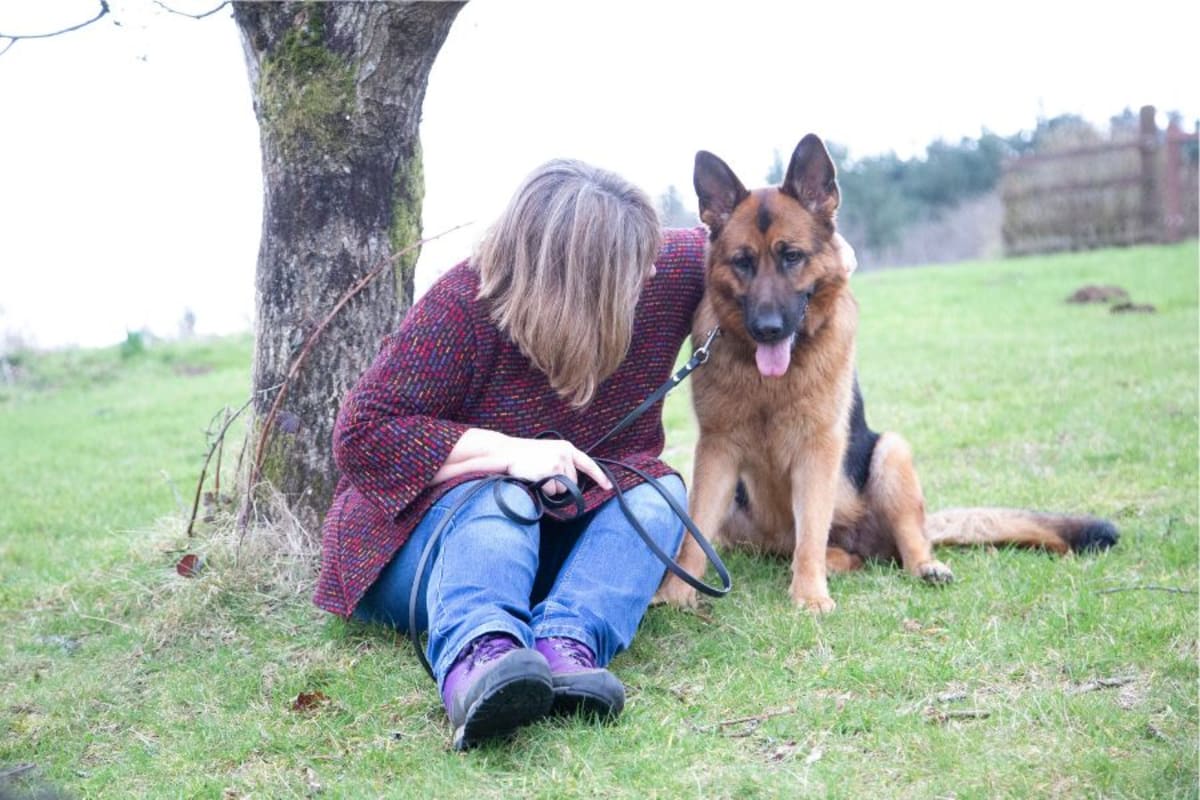
For weeks, the two-year-old German Shepherd displayed strange new behavior at their home in Kent, England. She'd insistently sniff around Ferguson's mouth, then walk away with a concerned look that her owner couldn't ignore.
Ferguson, then 60, visited her dentist first. Everything checked out fine, but Inca's behavior continued.
She returned to doctors for diabetes and digestive tests, knowing these conditions can change breath odor. Still nothing unusual appeared.
Growing more worried, Ferguson decided on a full body scan. "Her behavior towards me changed, she just started homing in on my mouth," Ferguson told The Mirror. "She just had this focused intent on my mouth, and you couldn't push her away until you had done an outbreath."
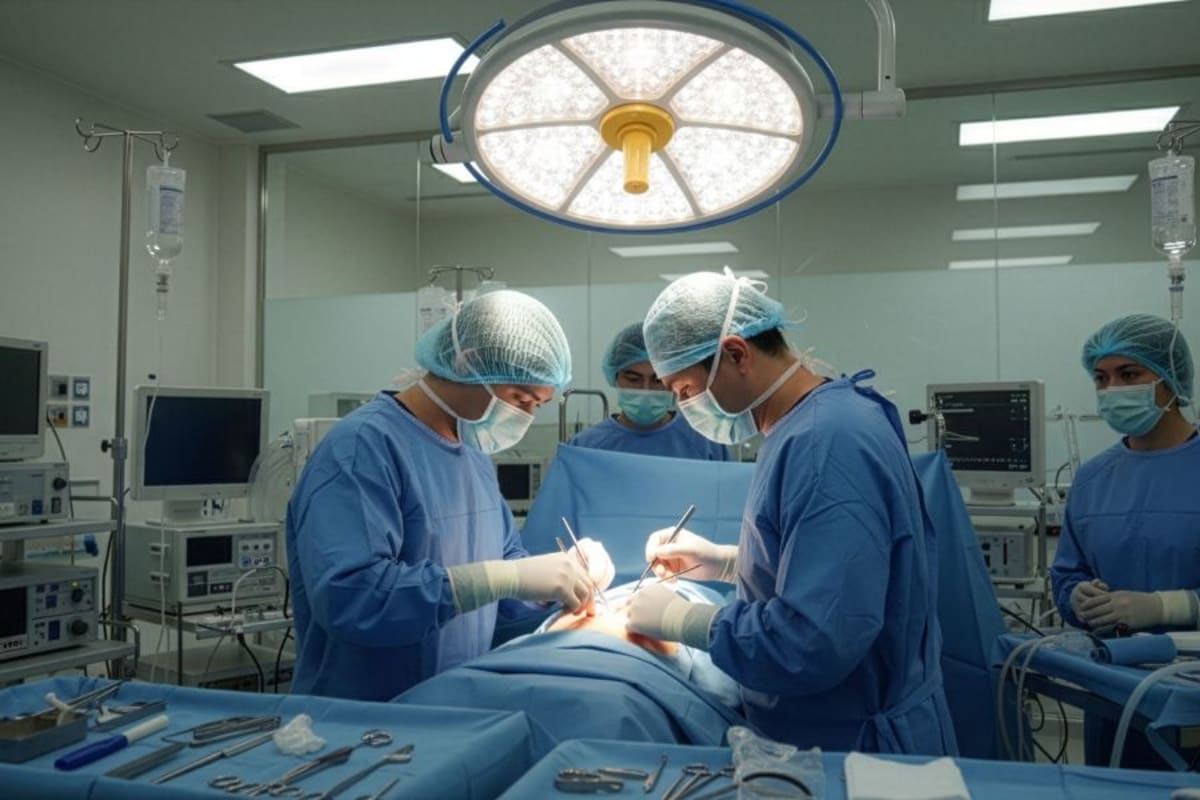
The scan revealed a golf ball sized tumor growing in Ferguson's lungs. The biology teacher and lifelong non-smoker was shocked by the diagnosis, but relieved by the early detection.
After surgery to remove the tumor in 2015, her surgeon delivered stunning news. "That dog saved your life," he told her. "We never catch it at stage one."
The Ripple Effect
Inca's remarkable nose inspired scientists at MIT to develop an "e-nose" that could save countless lives. Researcher Dr. Andreas Mershin created a mechanical device that uses AI to detect cancer the same way dogs do.
The e-nose is currently in trials, testing over 500 urine samples against results from trained medical detection dogs. "Phones already have eyes and ears, but machine olfactors are the next frontier in health technology and AI sensing," Mershin told Medical Detection Dogs.
The device focuses on prostate cancer for now, but researchers hope to expand it to other cancers once perfected. If successful, this technology could transform early cancer screening worldwide.
Ferguson remains grateful for every extra day with Inca. "Every day is special with her," she told The Mirror. "To catch it at stage one is just remarkable."
More Images

Based on reporting by Upworthy
This story was written by BrightWire based on verified news reports.
Spread the positivity!
Share this good news with someone who needs it