Dog Detects Owner's Stage 1 Lung Cancer by Sniffing Breath
A German Shepherd's unusual habit of intensely sniffing her owner's mouth led to the discovery of a golf-ball-sized lung tumor caught at the earliest stage. Now scientists are using AI to recreate dogs' cancer-detecting abilities in a device that could transform early screening.
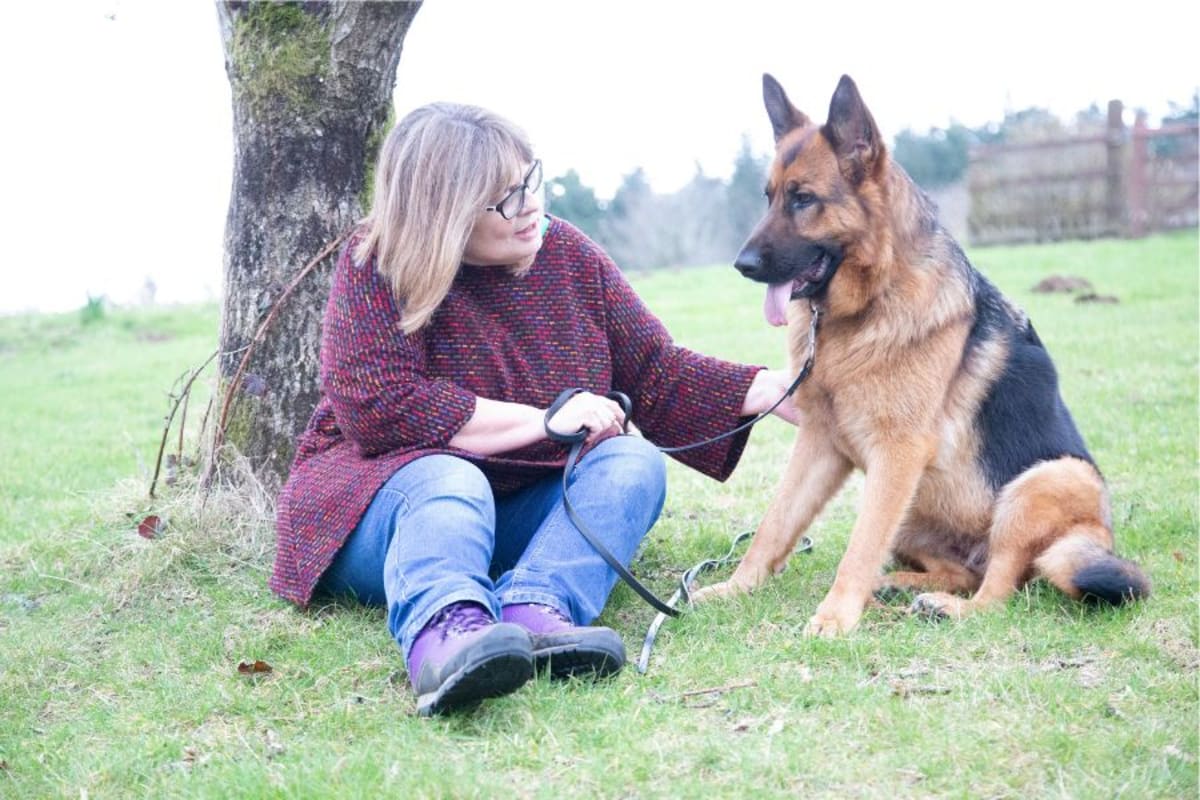
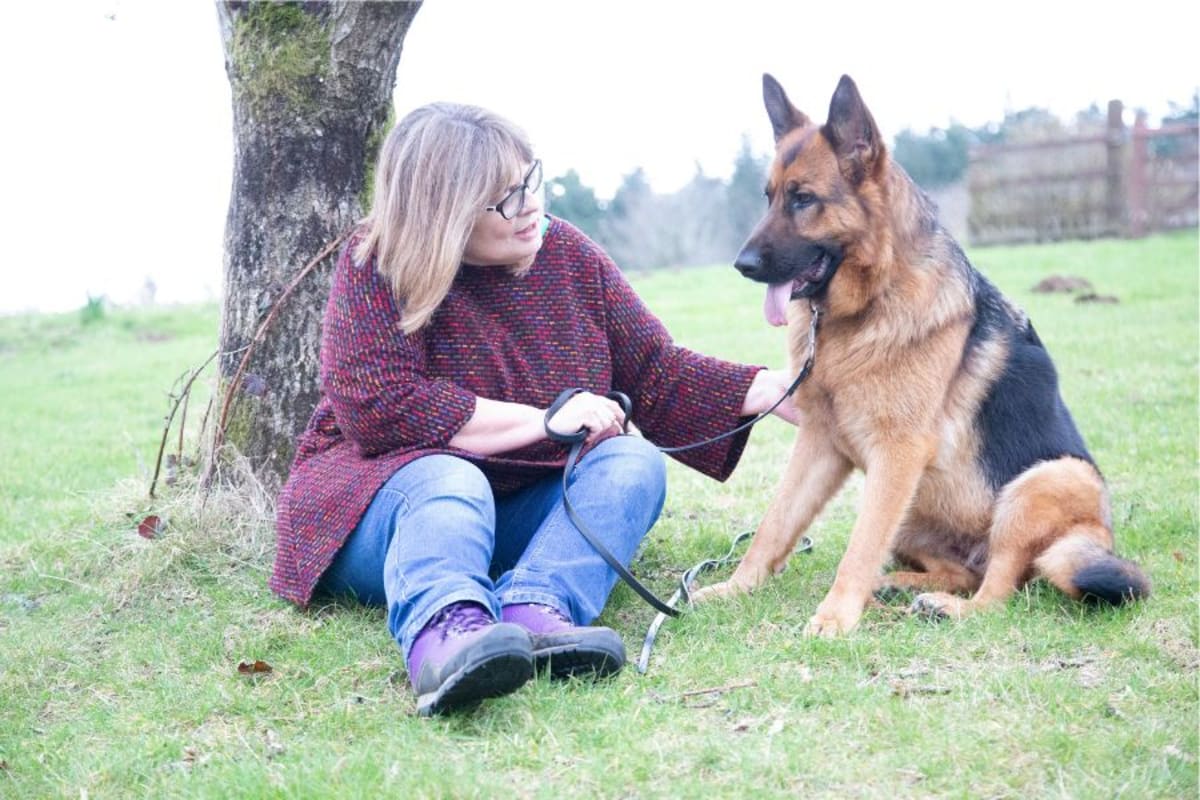
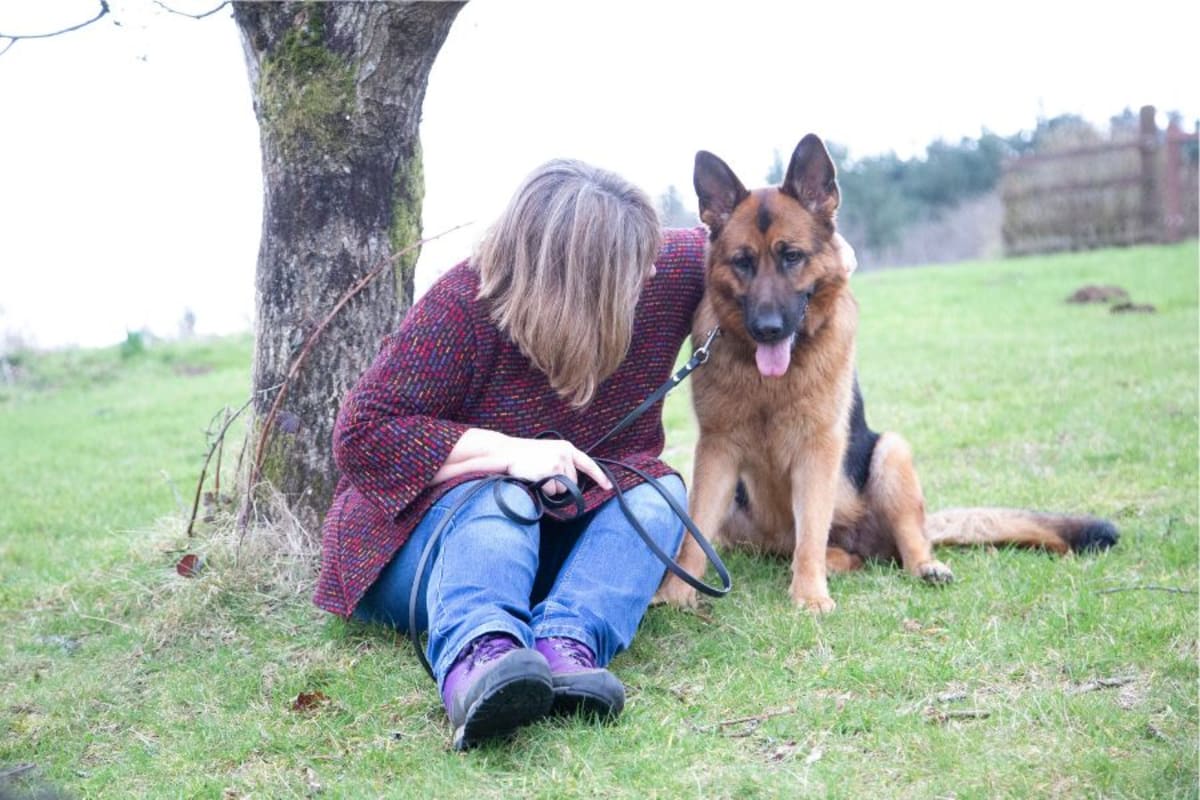
When Inca started obsessively sniffing Colleen Ferguson's breath, the biology teacher from Kent, England thought her two-year-old German Shepherd was just being quirky. But the dog's frowned expression after every sniff suggested something more serious.
For weeks, Inca wouldn't leave her owner alone. She homed in on Ferguson's mouth with focused intent, refusing to back off until Ferguson exhaled, then walked away looking concerned.
The unusual behavior worried Ferguson enough to visit her dentist. When everything checked out fine, she went further, getting tested for diabetes and gut issues that can change breath odor.
All tests came back clear, but Inca kept insisting something was wrong. At 60 years old and a lifelong non-smoker, Ferguson never suspected lung cancer, but she decided to get a full-body scan just to be safe.
The scan revealed a golf-ball-sized tumor growing in her lungs. Because Inca caught it so early, surgeons removed it at stage one, when survival rates are highest.
"The surgeon said, 'that dog saved your life. We never catch it at stage one,'" Ferguson told the BBC after her 2015 surgery.
The Ripple Effect
Ferguson's story inspired scientists who had been studying dogs' remarkable ability to smell cancer. Dr. Andreas Mershin spent nearly two decades at MIT developing an electronic nose that mimics canine olfaction.
His company, RealNose.ai, now uses AI to train devices the same way dogs learn, rewarding correct cancer identifications in urine samples. In May 2024, researchers demonstrated the e-nose to Queen Camilla, patron of Medical Detection Dogs, at Clarence House.
"Phones already have eyes and ears, but machine olfactors are the next frontier in health technology," Mershin explained. The device currently screens for prostate cancer but could eventually detect multiple cancer types.
Medical Detection Dogs prescreens samples that the e-nose analyzes, with results compared against the dogs' accuracy. If successful, the technology could bring affordable, early cancer screening to communities worldwide.
Meanwhile, Inca has taken on a new role. Now around 13 years old, she's trained as a recovery assistance dog, helping Ferguson manage the anxiety that followed her diagnosis.
Every day Ferguson spends with Inca feels like a gift she almost didn't get.
More Images

Based on reporting by Upworthy
This story was written by BrightWire based on verified news reports.
Spread the positivity!
Share this good news with someone who needs it