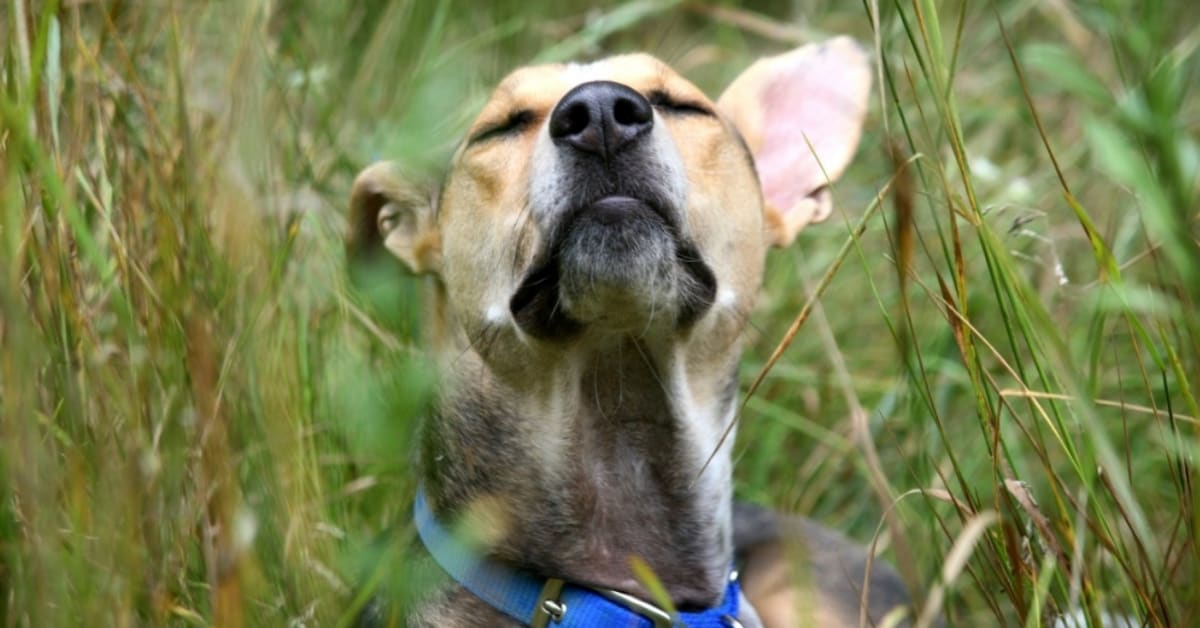
Dogs Detect Parkinson's Disease 20 Years Before Symptoms
Two dogs trained by Medical Detection Dogs can sniff out Parkinson's disease with up to 80% accuracy, years before any symptoms appear. This breakthrough could lead to early detection tests that help patients start treatment sooner.
Imagine catching a disease two decades before you feel sick enough to see a doctor. That's exactly what two specially trained dogs are helping scientists accomplish with Parkinson's disease.
Bumper, a golden retriever, and Peanut, a black Labrador, recently completed a groundbreaking study at the Universities of Bristol and Manchester. The duo sniffed cheek swabs from people with and without Parkinson's, correctly identifying the disease in 70% and 80% of cases respectively.
Even more impressive, both dogs ruled out healthy individuals with over 90% accuracy. They accomplished this feat in a double blind trial, meaning neither the dogs nor their handlers knew which samples belonged to patients.
The nonprofit Medical Detection Dogs trained both canines for this specific mission. Their work builds on years of research showing that dogs can detect subtle chemical changes in human bodies long before medical tests catch them.
"Sensitivity levels of 70% and 80% are well above chance," said Nicola Rooney, an associate professor at Bristol Veterinary School who led the study. She believes dogs could help develop a quick, non-invasive, and cost-effective screening method for Parkinson's patients.
The Ripple Effect
This discovery addresses a critical gap in Parkinson's care. Currently, no early test exists for the disease, and symptoms may begin up to 20 years before they become visible enough for diagnosis.
That two-decade window represents precious time when treatment could slow disease progression and reduce symptom intensity. Early intervention makes an enormous difference in quality of life for Parkinson's patients.
"We are extremely proud to say that once again, dogs can very accurately detect disease," said Claire Guest, CEO of Medical Detection Dogs, when the results published in The Journal of Parkinson's Disease in July. The organization has also trained dogs to detect urinary tract infections, pneumonia, blood poisoning, and certain cancers.
The next step involves understanding exactly what the dogs smell so scientists can develop diagnostic tools based on their abilities. This could transform Parkinson's screening worldwide.
Two determined dogs just opened a door that could help millions catch a devastating disease while there's still time to fight back.
More Images

Based on reporting by Good Good Good
This story was written by BrightWire based on verified news reports.
Spread the positivity!
Share this good news with someone who needs it

%2Fhttps%3A%2F%2Ftf-cmsv2-smithsonianmag-media.s3.amazonaws.com%2Ffiler_public%2F06%2F46%2F0646d94a-82ec-4948-87ef-b40f8d3de826%2Fdogs-can-distinguish-b.jpg)