Dogs Find New Truffle Species While Hunting in North Carolina
Truffle-hunting dogs in North Carolina are doing more than finding gourmet ingredients. They're helping scientists discover new species and monitor ecosystem health across the U.S.
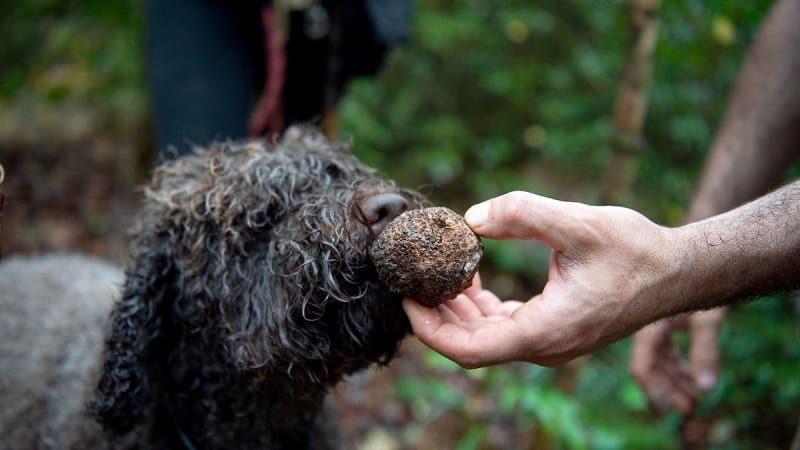
In the forests near Hendersonville, North Carolina, a curly-haired Italian dog named Massi is making scientific discoveries one dig at a time. His work? Finding rare truffles that help scientists understand the health of our ecosystems.
Luke Gilbert and Natalie Dechiara run Wild Goods, a truffle business, but their trained dogs do double duty as citizen science helpers. When Massi and his pack sniff out truffles, they're also uncovering fungi species that scientists have never documented before.
Truffles are underground fungi that form partnerships with plant roots. Because fungi respond quickly to environmental changes like pollution and drought, finding and identifying new species helps scientists establish a baseline for tracking ecosystem health. "You can't really figure out what is a rare species and if they are responding negatively to things humans are doing if there's no name for them," says Matthew Smith, a mycologist at the University of Florida.
The couple's journey began in 2022 when they got Eva, their first Lagotto Romagnolo dog bred specifically for truffle hunting. Eva quickly learned to find more than five truffle species, including rare Michigan truffles. Though Eva died tragically during childbirth earlier this year, her puppies Rosie and Dolce are carrying on her work.
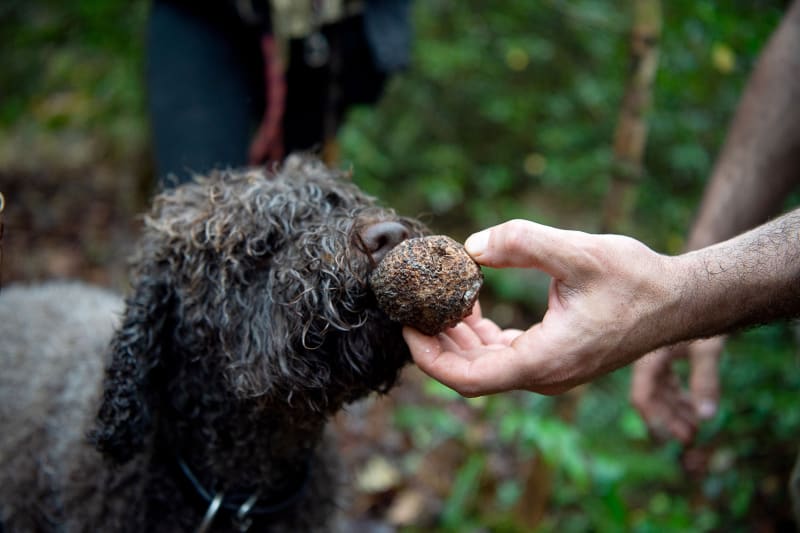
Training a truffle dog takes patience and precision. Dechiara teaches the dogs to identify truffle scent by holding a truffle in one hand and a salmon treat in the other, rewarding them when they correctly indicate the truffle hand. She hides containers with truffle flakes around their property so the dogs can practice tracking scents. The method is similar to training airport drug-sniffing dogs.
Proper training matters beyond finding ingredients for pasta dishes. Aggressive digging with rakes or untrained animals can damage the delicate underground networks of fungi. Well-trained dogs gently indicate where truffles grow without destroying the ecosystem beneath.
Across the U.S., more people are joining the truffle-hunting movement. Festivals host competitions, training businesses draw participants nationwide, and amateur fungi enthusiasts spend weekends in forests making discoveries. Some do it for the gourmet appeal or extra income, while others embrace the citizen science opportunity.
The Ripple Effect
This growing community of truffle hunters and their dogs is creating an unexpected network of environmental monitors. Every new species they find helps scientists map biodiversity and understand how climate change and human activity affect our forests. Amateur foragers are filling crucial gaps in scientific knowledge simply by doing what they love.
Gilbert and Dechiara now sell their finds at farmers markets and ship to restaurants while sharing their discoveries with researchers. Young Rosie is already confident at tracking scents, and six-month-old Dolce is learning fast.
These dogs aren't just finding fancy ingredients for chefs. They're helping us understand and protect the invisible world beneath our feet, one truffle at a time.
More Images

Based on reporting by Google News - Scientists Discover
This story was written by BrightWire based on verified news reports.
Spread the positivity!
Share this good news with someone who needs it