$10M Gift Brings Hope to 200 Patients with Fatal Disease
A breakthrough drug that saves the lives of mice with a rare, fatal disease is moving toward human trials thanks to a $10 million donation from a family who lost a loved one to the condition. The therapy works by teaching the body's cells to destroy the malformed proteins that kill patients with RVCL.
A son who watched a rare disease take his mother and grandfather just funded the research that could save 200 lives around the world.
Shawn Clark, chairman of The Clayco Foundation, donated $10 million to accelerate safety trials for a new drug targeting retinal vasculopathy with cerebral leukoencephalopathy (RVCL). The fatal genetic disease has no cure and kills patients within 5 to 10 years after symptoms appear, usually in their 40s.
The experimental drug works like a shipping label for broken parts. It marks abnormal proteins in patients' cells so the body knows to destroy them before they cause damage.
"We have developed something that labels abnormal proteins, just like you would a package," said Dr. Jonathan Miner, an associate professor at Penn Medicine who leads the research. "The body's cells can then read that label and ship the protein to a specific location in the cell for destruction."
RVCL happens when people inherit a mutation in their TREX1 gene. The mutation creates shortened proteins that float freely in cells instead of sticking to membranes where they belong. These rogue proteins destroy small blood vessels throughout the body, causing vision loss, strokes, memory problems, and organ failure.
The new drug binds both the damaged protein and a natural enzyme that labels unwanted material for removal. Healthy proteins stay untouched. In mice carrying the human mutation, the treatment stops organ damage and saves their lives.
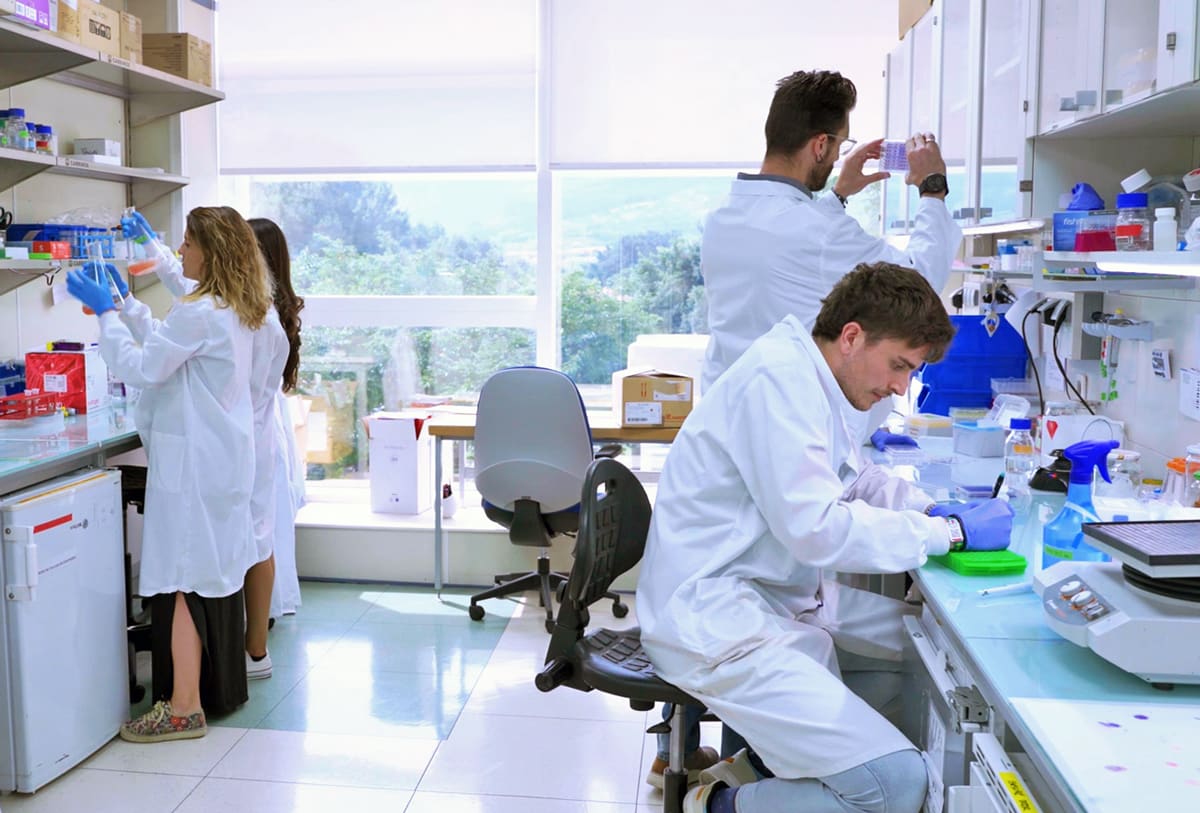
Dr. Miner developed the therapy over seven years with chemists at the University of Michigan. The partnership worked because the Michigan team could "cook up" new molecules while the Penn team tested them on the disease.
Why This Inspires
Rare diseases struggle to get funding because so few people have them. Only about 200 patients worldwide live with RVCL. Most drug companies won't invest in treatments for such small populations.
But Clark made a different choice. "I watched this disease take the people I love, and I made a decision that no other family should have to feel powerless against it," he said. "There is nobody else leading the effort to find a treatment or a cure for RVCL, so we are going to be the ones to do it."
His gift moves the therapy through safety trials and toward a clinical trial where patients could eventually take the drug as a simple pill. Dr. Amanda Finck, who co-leads the work, said the donation makes possible what typical funding never could for rare conditions.
The research team continues refining next-generation versions of the drug while moving their lead candidate forward, proving that sometimes the most powerful catalyst for medical breakthroughs isn't a laboratory discovery but a family's determination to spare others their grief.
More Images


Based on reporting by Google News - Disease Cure
This story was written by BrightWire based on verified news reports.
Spread the positivity!
Share this good news with someone who needs it