$140 Loan Launches Namibian Seamstress Into Business Owner
A $140 loan from a village savings group helped an unemployed Namibian woman transform her natural sewing talent into a registered business making school uniforms. Foibe Nakashwa now owns three industrial machines and is rebuilding after pandemic setbacks.
A seamstress in rural Namibia turned a tiny loan into a thriving business that now serves schoolchildren across her region.
Foibe Nakashwa was 35 and unemployed when she decided to bet on herself. She had never received formal training, but she knew she could sew.
The 52-year-old from Oshaaneko village joined a local savings group where members pooled money and offered small loans to each other. She borrowed N$700 (about $140 USD) to buy sewing materials and got to work.
"I started my sewing business because I am unemployed. It's just a talent I have," Nakashwa says.
That modest investment became the seed of something bigger. In 2013, she joined the Financial Literacy Initiative, a national program helping small businesses grow. The training taught her how to register her business, manage money, and find customers.
She officially registered Ashiwe Trading CC that same year. The difference was immediate.
"I started my business long ago, but it did not grow because I had no strategy for growing it," she explained at the National MSMEs Festival in Windhoek last week. "The training helped me understand how to run and expand my business."
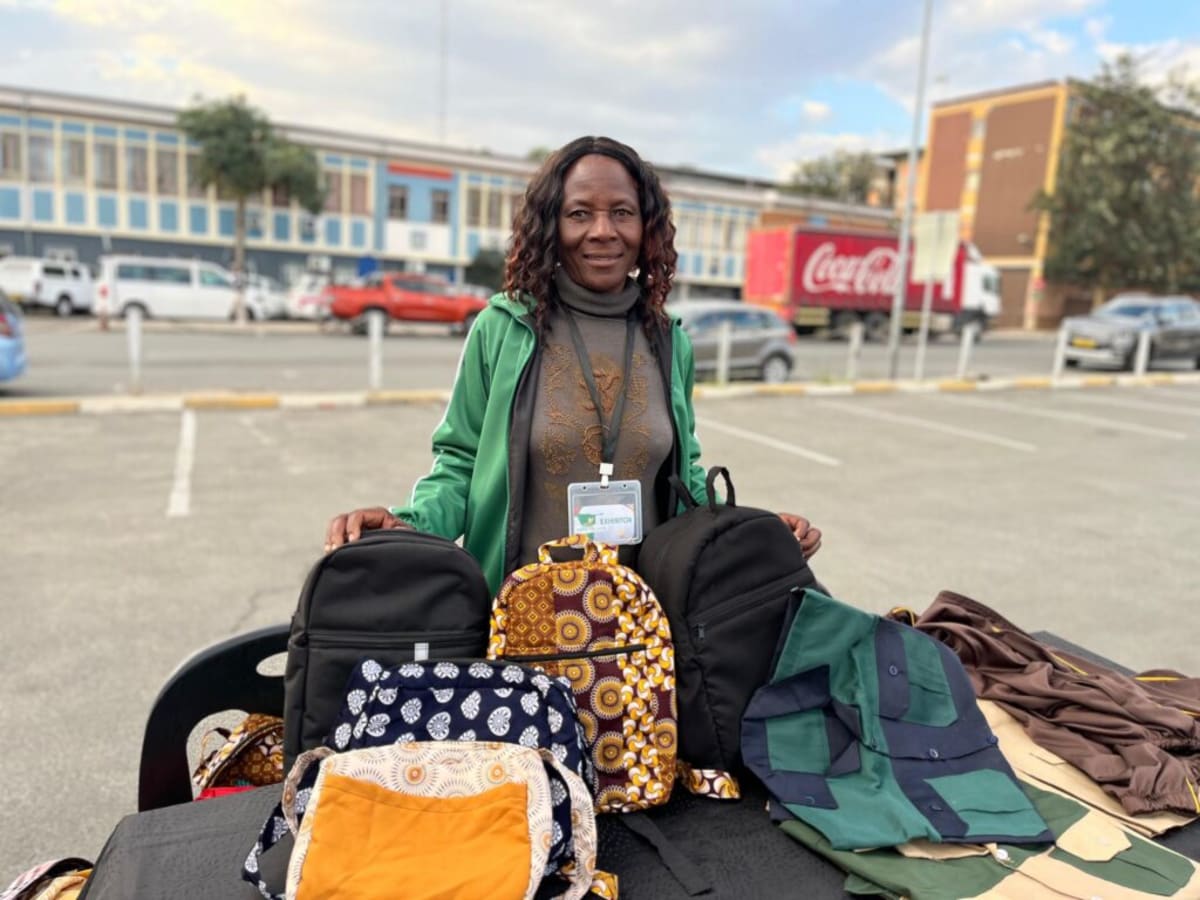
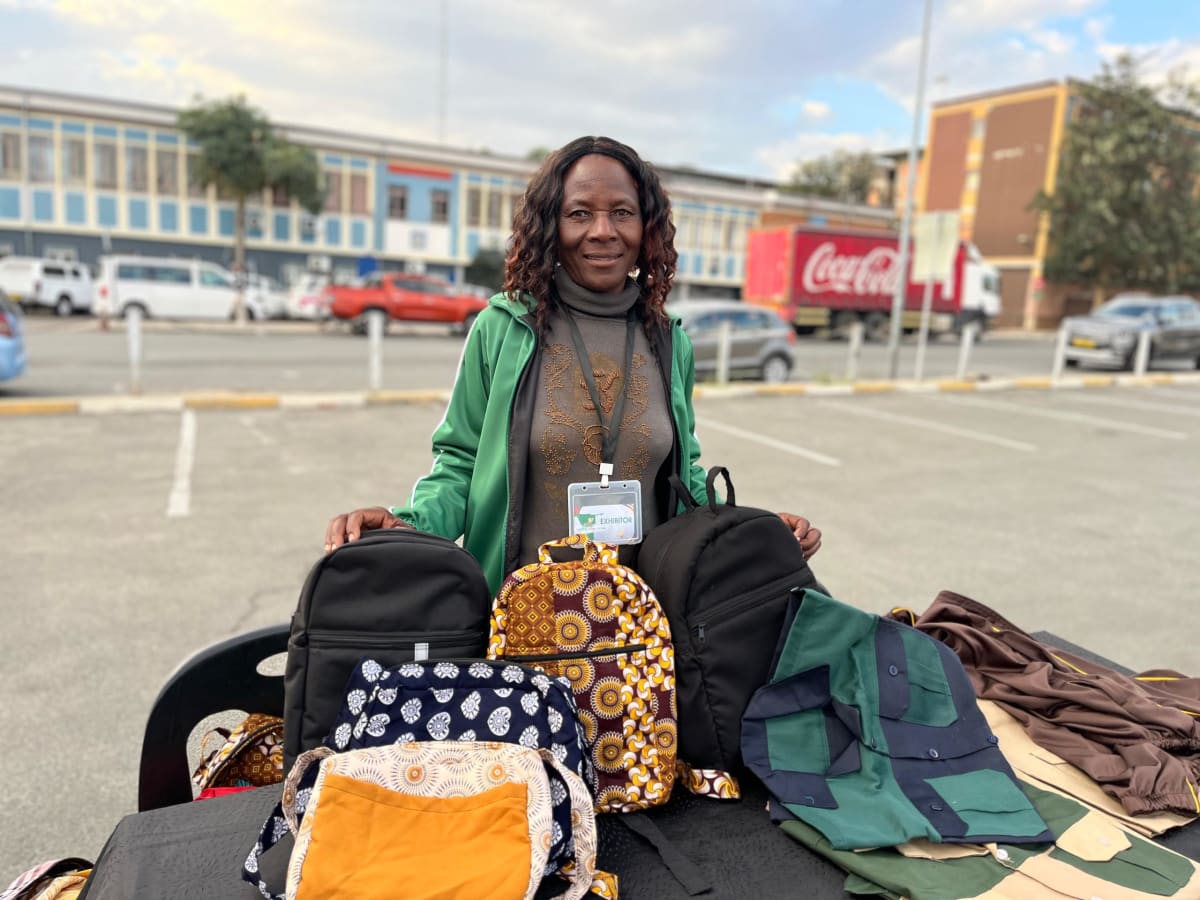
Today, Nakashwa owns two industrial sewing machines and one overlocker machine. She makes cloth school bags and tracksuits for local students, filling a real need in her community.
Her dreams keep growing too. Next, she wants to produce leather school bags that can withstand rainy season downpours. She's also saving for an embroidery machine to brand her tracksuits before they hit the market.
The Ripple Effect
Nakashwa's story shows how small financial tools can unlock massive potential in underserved communities. Village savings groups give people without bank access a chance to invest in themselves. When combined with business training, that access becomes transformative.
Her business creates products that help families afford quality school supplies. Every bag and tracksuit she makes supports local education while proving what's possible with the right support.
The pandemic hit her hard. Orders dried up and she survived on savings alone. But Nakashwa isn't giving up.
"I am now restarting, but I will forge ahead," she says, already planning her next purchase and her next design.
More Images



Based on reporting by Google: small business success
This story was written by BrightWire based on verified news reports.
Spread the positivity!
Share this good news with someone who needs it