$150K Grants Help Teachers Transform African Classrooms
A new funding program is offering grants up to $150,000 to innovators creating affordable teaching solutions for nine African countries. The goal is to help governments finally afford the proven methods that boost student reading skills.
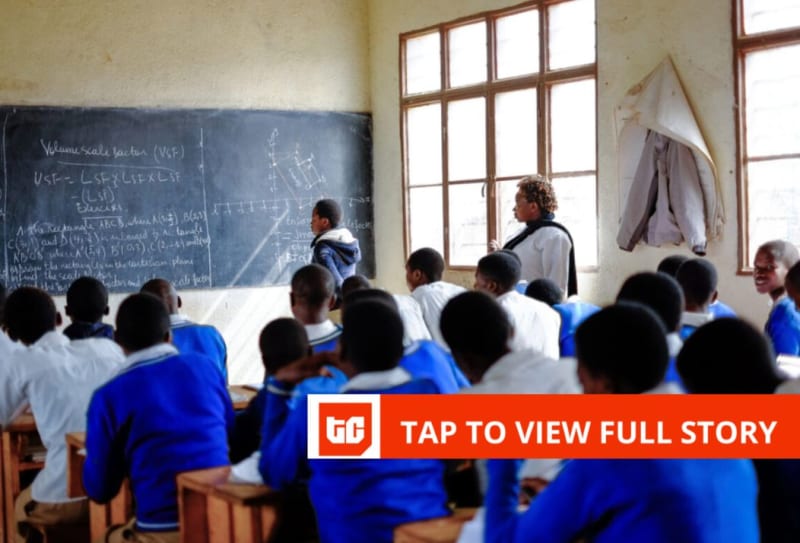
Millions of African students could soon get better reading instruction thanks to a new program putting serious money behind classroom innovation.
The Teaching Innovation Lab just opened applications for grants up to $150,000 to test low-cost teaching solutions across Ghana, Nigeria, Senegal, Côte d'Ivoire, Ethiopia, Tanzania, Kenya, South Africa, and Mozambique. Led by education firm Elimu-Soko and backed by the Gates Foundation, the program aims to solve a frustrating problem: the best teacher training methods work beautifully but cost too much for governments to maintain after donors leave.
Research shows that teacher quality matters more than any other school factor for student success. Programs that combine detailed lesson plans, quality materials, and ongoing coaching deliver some of the strongest learning gains in education.
Kenya's Tusome literacy program proves this works at scale. The initiative reached 7 million students across nearly 24,000 schools and recorded major improvements in reading outcomes.
The challenge is sustainability. Many effective programs rely entirely on donor funding and collapse when that money stops flowing. Governments often face an impossible choice between reaching more teachers or maintaining program quality.
Selected pilots will run for six to 12 months and must reach at least 200 teachers. Innovators need to show how their solution improves teaching or learning, provide clear measurement plans, and demonstrate a realistic path for government adoption.
The Ripple Effect goes beyond individual classrooms. If these innovations succeed, they could transform how entire education systems support teachers. Instead of choosing between reach and quality, governments could finally afford to do both at scale.
Strong teacher coaching sustains improvements over time, according to global research. Yet many African teachers still lack daily instructional support, consistent coaching, and useful classroom data to improve their practice.
Applications close January 30, 2026, with funding decisions expected by March 2026. For African innovators, this represents both capital and a chance to prove that breakthrough solutions can work within real-world budget constraints.
This initiative could finally crack the code on making excellent teaching affordable for millions of students.
Based on reporting by Google News - School Innovation
This story was written by BrightWire based on verified news reports.
Spread the positivity!
Share this good news with someone who needs it